
Blog
Single-Layer vs. Insulated Garage Doors: Which Fits a Hot Climate?
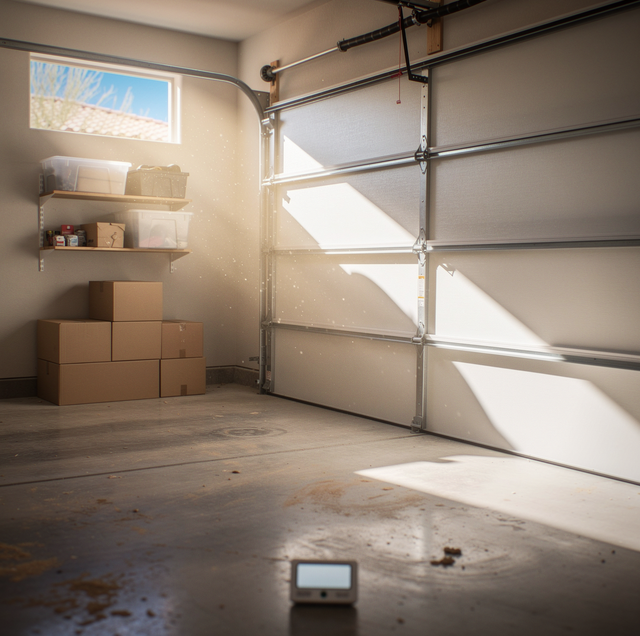
Put your palm flat against a closed garage door on a bright afternoon, and you get an immediate answer to a question most homeowners never think to ask: how much of that outside heat is actually making it in. A single sheet of painted steel runs hot enough to sting, and the air just behind it isn't far behind.
Replace Both Garage Door Springs, or Just the Broken One?
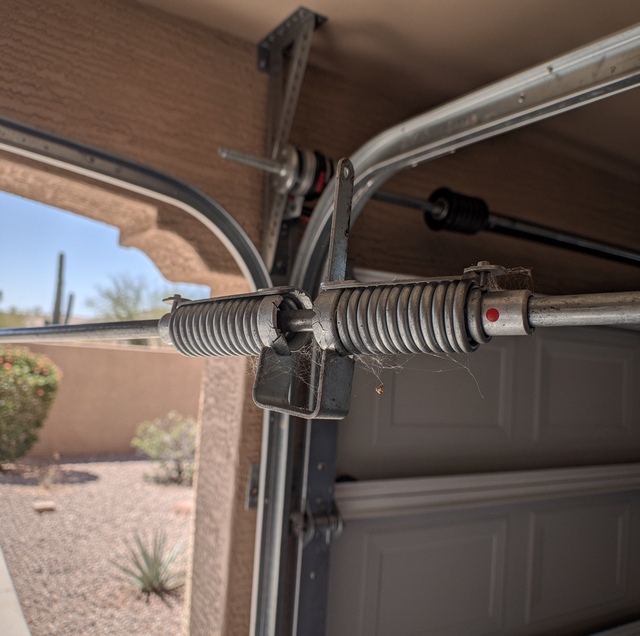
The bang usually happens without warning: a loud crack from above the closed door, then a garage door that won't budge or that suddenly feels like it weighs three times what it did the day before.
Repairing a Dented Panel vs. Replacing the Whole Door
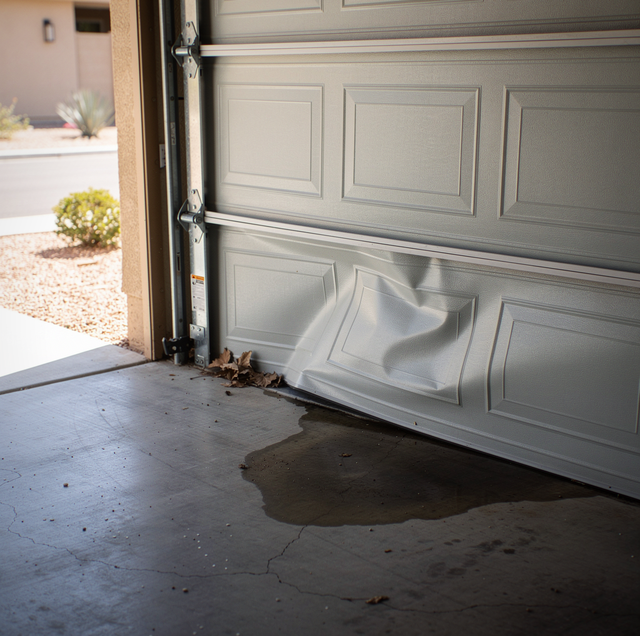
A car backing out too fast, a stray basketball, a ladder that tipped the wrong way: dents in a garage door panel almost always trace back to a single moment of contact, and the damage they leave behind ranges from a shallow cosmetic dish to a crease that changes how the whole door moves.
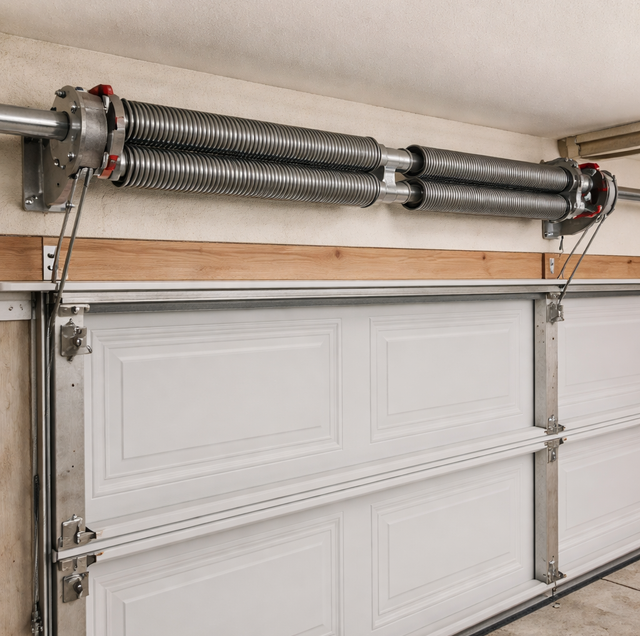
One Spring vs. Two Garage Door: Which Setup Lasts?
A sectional garage door is one of the heaviest moving objects in a home, and almost none of that weight lands on the opener.
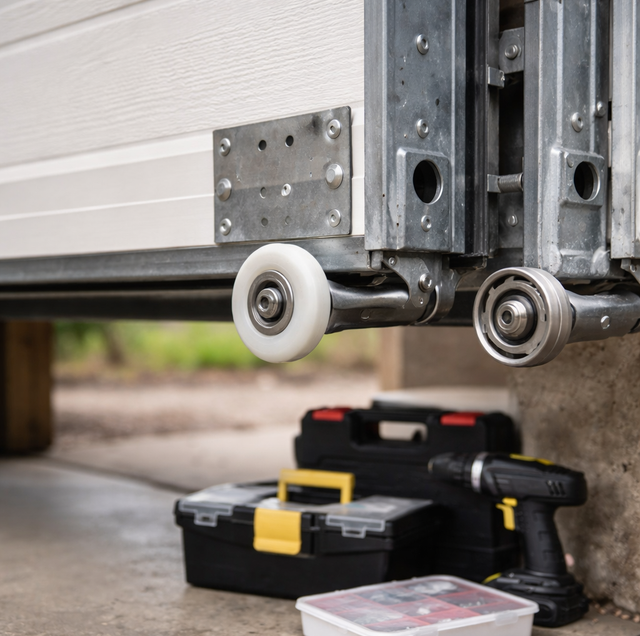
Nylon vs. Steel Garage Door Rollers: Which Lasts Longer?
Every time a sectional garage door opens or closes, a set of small wheels does the quiet work of carrying its weight.
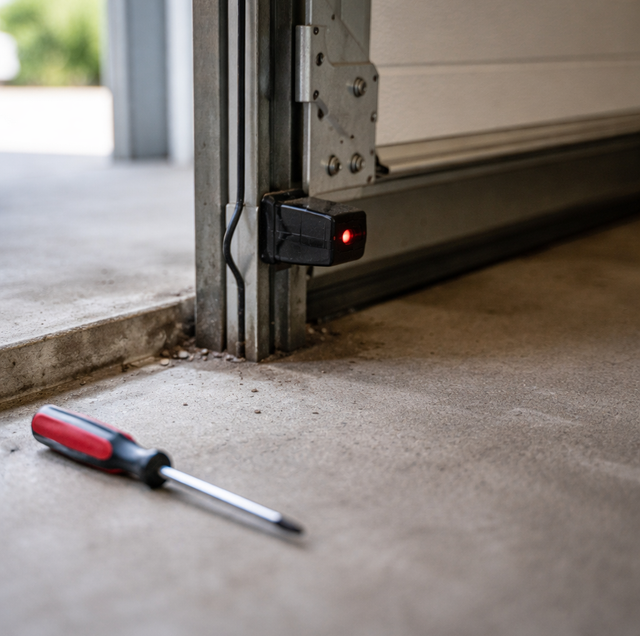
How Garage Door Safety Sensors Work (and Why They Reverse)
Most people meet their safety sensors the day the door refuses to close. It starts down, then rolls right back up, sometimes with the opener light flashing.
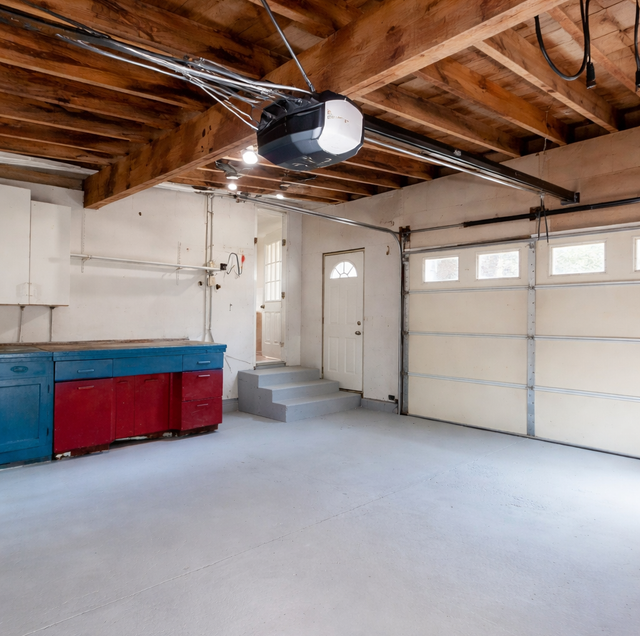
Garage Door Opener Lifespan: When to Repair or Replace
Most homeowners never think about the opener bolted to the ceiling until the morning it refuses to lift the door.
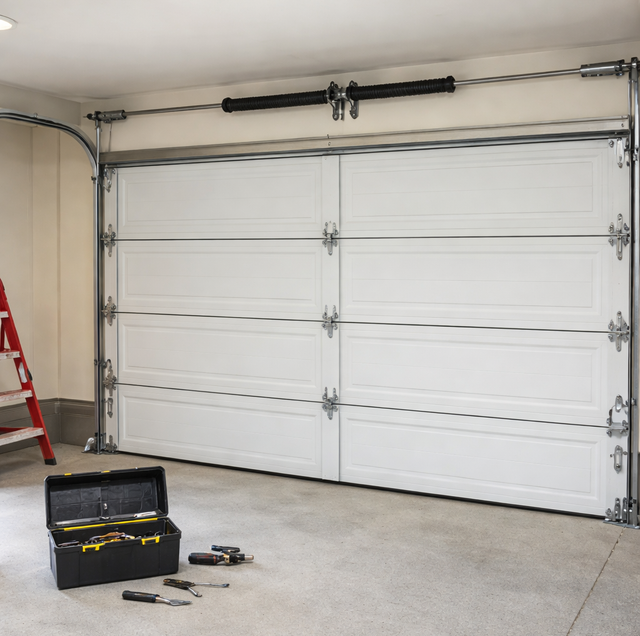
Garage Door Maintenance: What to Check and How Often
A residential garage door weighs between 130 and 350 pounds, and a double-wide steel door can push past 400. It is the single heaviest moving object most homes contain, and it travels that weight up and down a thousand or more times a year on a system of springs, cables, rollers, and hinges no thicker than your finger.
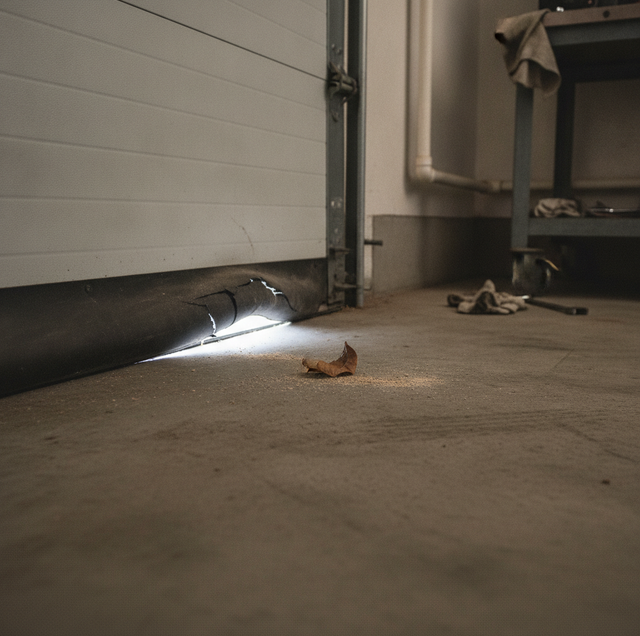
Why There's a Gap Under Your Garage Door (and What It's Letting In)
A garage door that closes all the way should press flat against the floor and leave no daylight underneath. When you start finding a thin line of light, a drift of dust, a trail of leaves, or a puddle after a storm along the bottom edge, the door is no longer sealing. That gap is not random. It points to a specific mechanical cause, and once you can read the tells, you can tell whether it's a quick fix you can do yourself or a job that needs a technician.
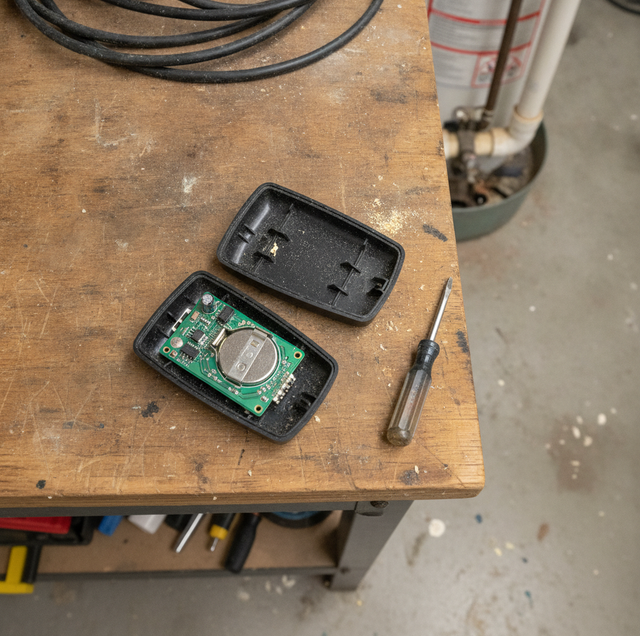
Garage Door Remote Not Working? 7 Fixes to Try
Before you touch anything, walk into the garage and press the wall-mounted button. The answer splits the whole problem in half.
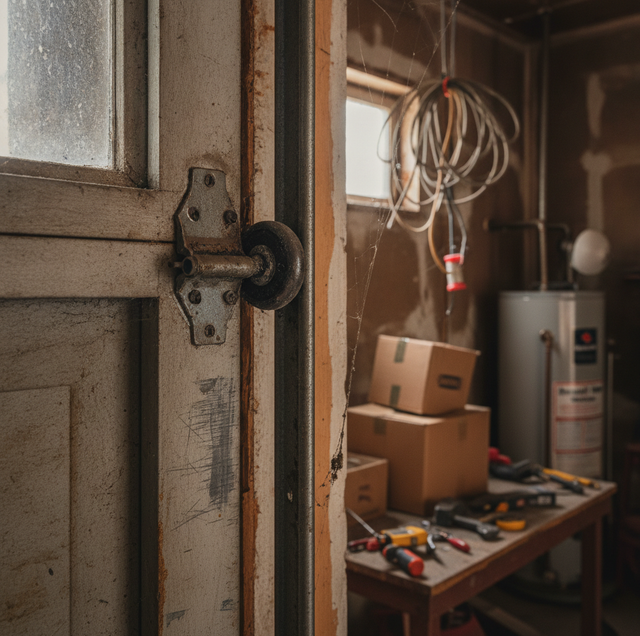
Grinding Noise When the Garage Door Opens? What's Failing
A garage door that once glided up with a quiet hum but now climbs the tracks with a harsh metal-on-metal grind is telling you something specific: a part that is supposed to roll or pivot has started to scrape instead. Grinding is a friction sound, and friction on a door built to move smoothly points to a worn or dry component. The good news is that the noise is a clue. Where it comes from, and whether the door still moves normally while it grinds, narrows the failing part down to a short list.
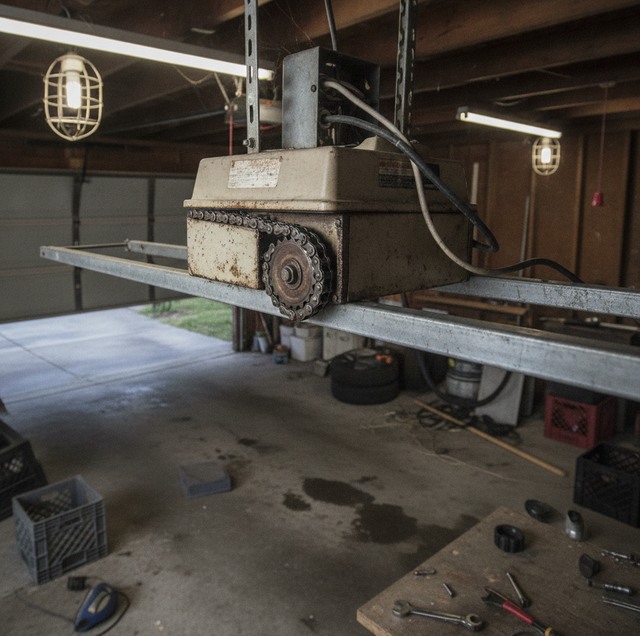
Belt-Drive vs Chain-Drive Openers: Which Is Right for You?
Standing in the aisle looking at two garage door openers that seem nearly identical on the box, the only obvious difference in the spec sheet is one word: belt or chain. They cost different amounts, they carry similar horsepower ratings, and both promise to open the same door. So the choice feels arbitrary until you understand what actually separates them, which comes down to one moving part.
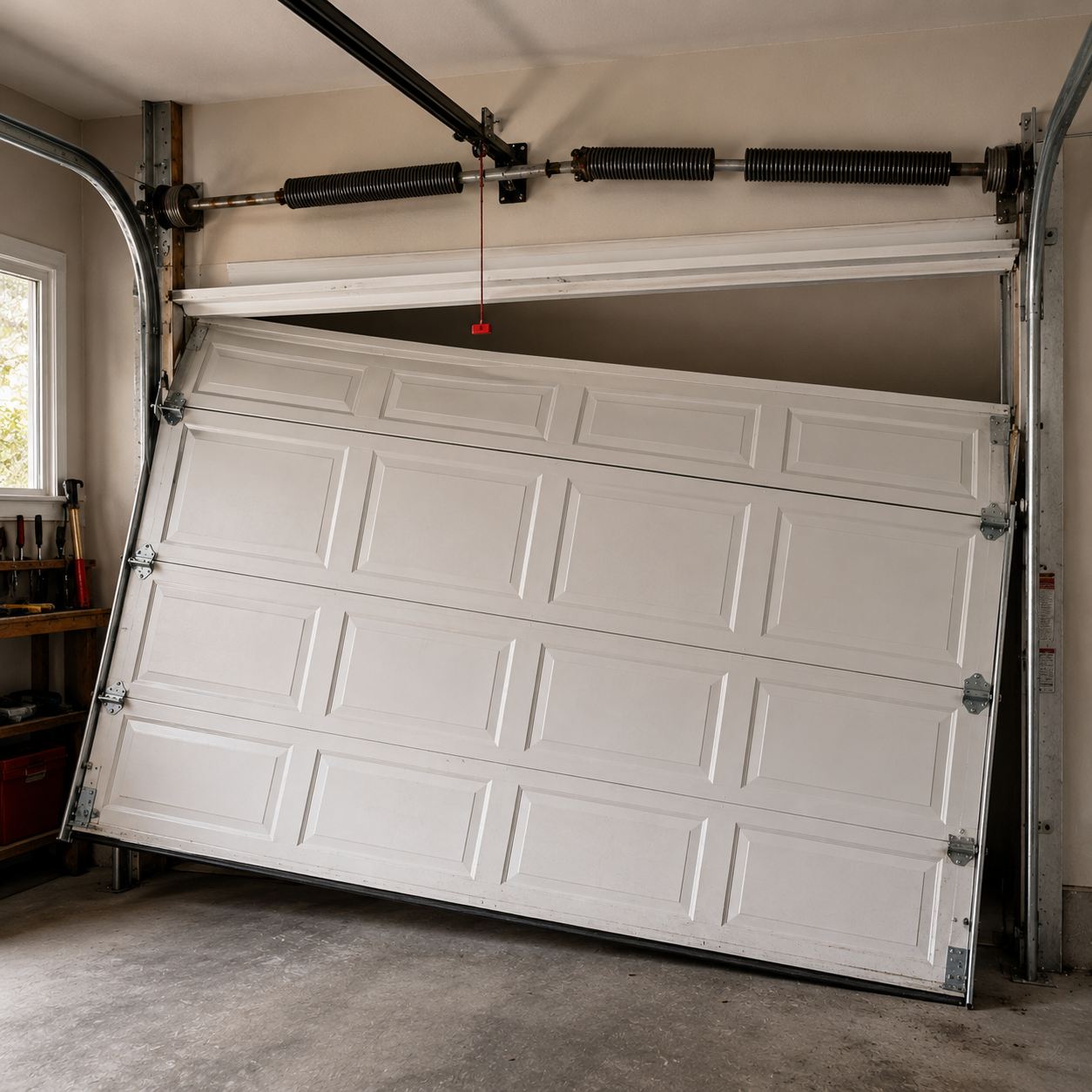
Garage Door Slamming Shut Instead of Lowering? Why
A garage door should lower in a slow, controlled glide. When it suddenly slams shut — dropping fast and hitting the floor hard — that's not a minor quirk. It means the system that holds the door's weight has failed, and the door is essentially falling. This is one of the clearest signs of a dangerous garage door problem, and it calls for immediate caution.
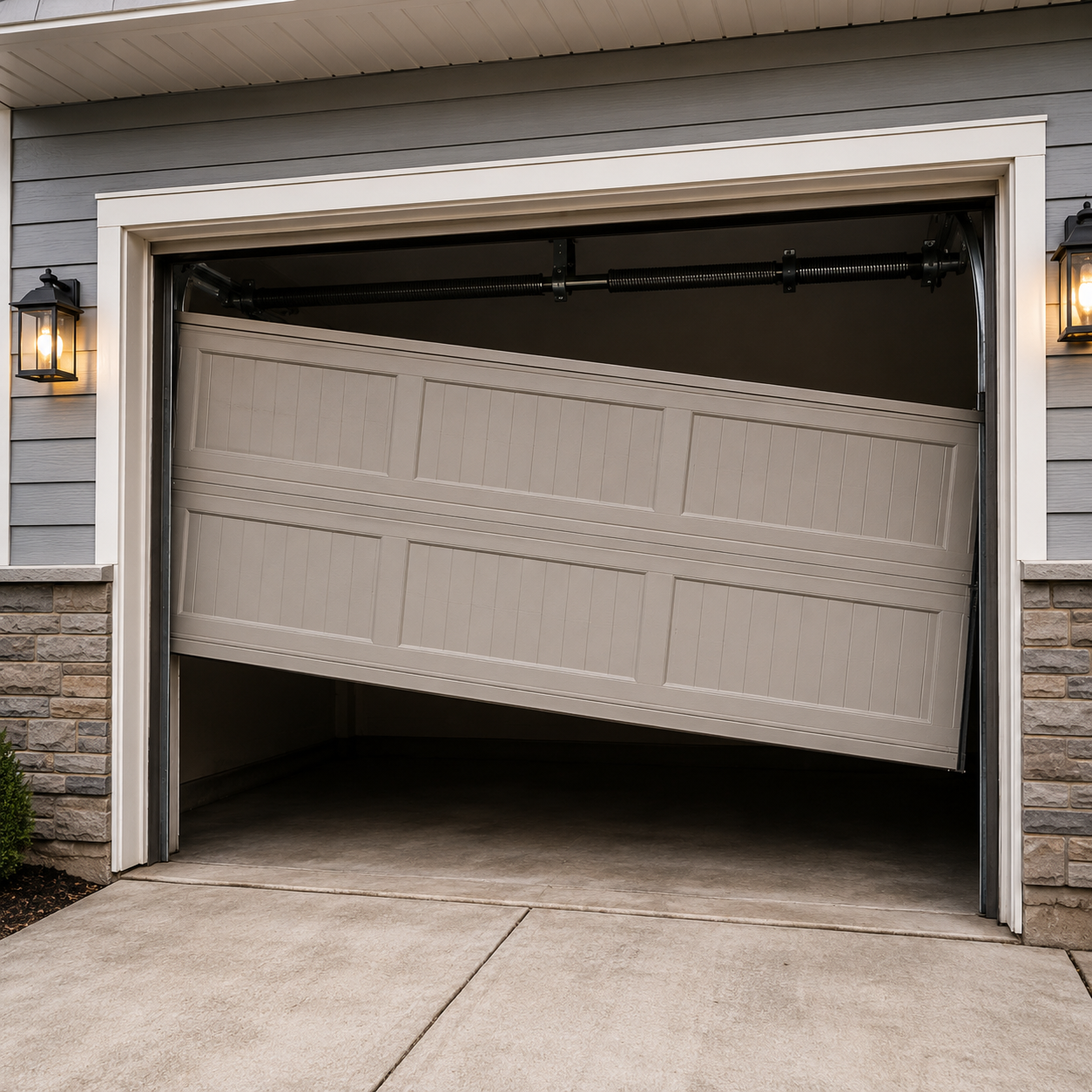
One Side of Your Garage Door Hangs Lower? What It Means
A garage door is supposed to sit level and move straight up and down. When one side starts hanging lower than the other — leaving a visible tilt or an uneven gap at the bottom — the door is telling you that the balanced system lifting it has a problem on one side. Catching why early keeps a crooked door from turning into a stuck or fallen one.
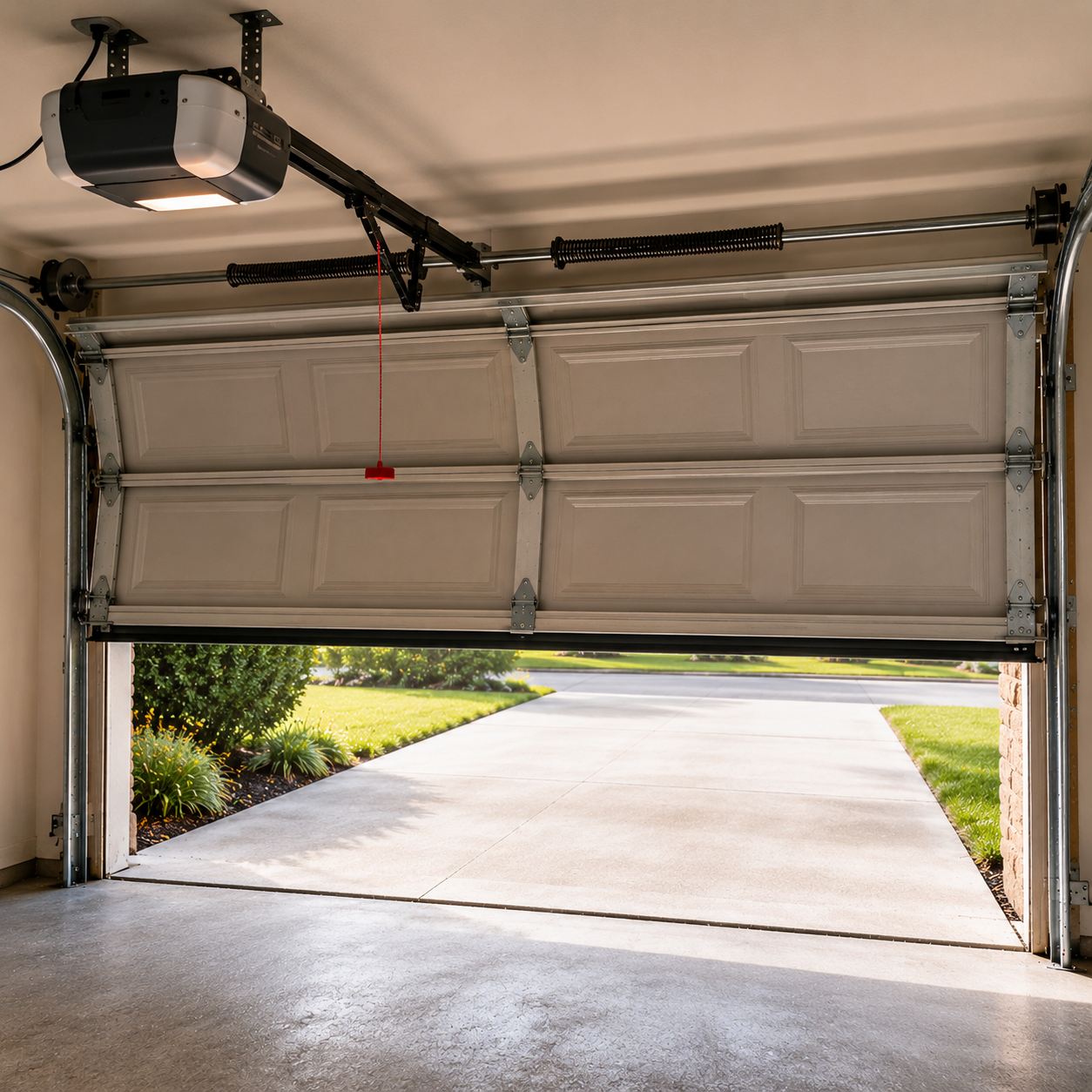
Why Your Garage Door Opens a Few Inches, Then Reverses
You push the button, the garage door lurches up a few inches, hesitates, and rolls right back down. Do it again, and you get the same stubborn result. It's easy to assume the opener is dying, but most of the time the opener is doing exactly what it's designed to do — it's hit resistance it didn't expect and stopped to protect itself and the door. The trick is figuring out what it's pushing against.
Garage Door Shakes and Jerks Going Up? What Causes It
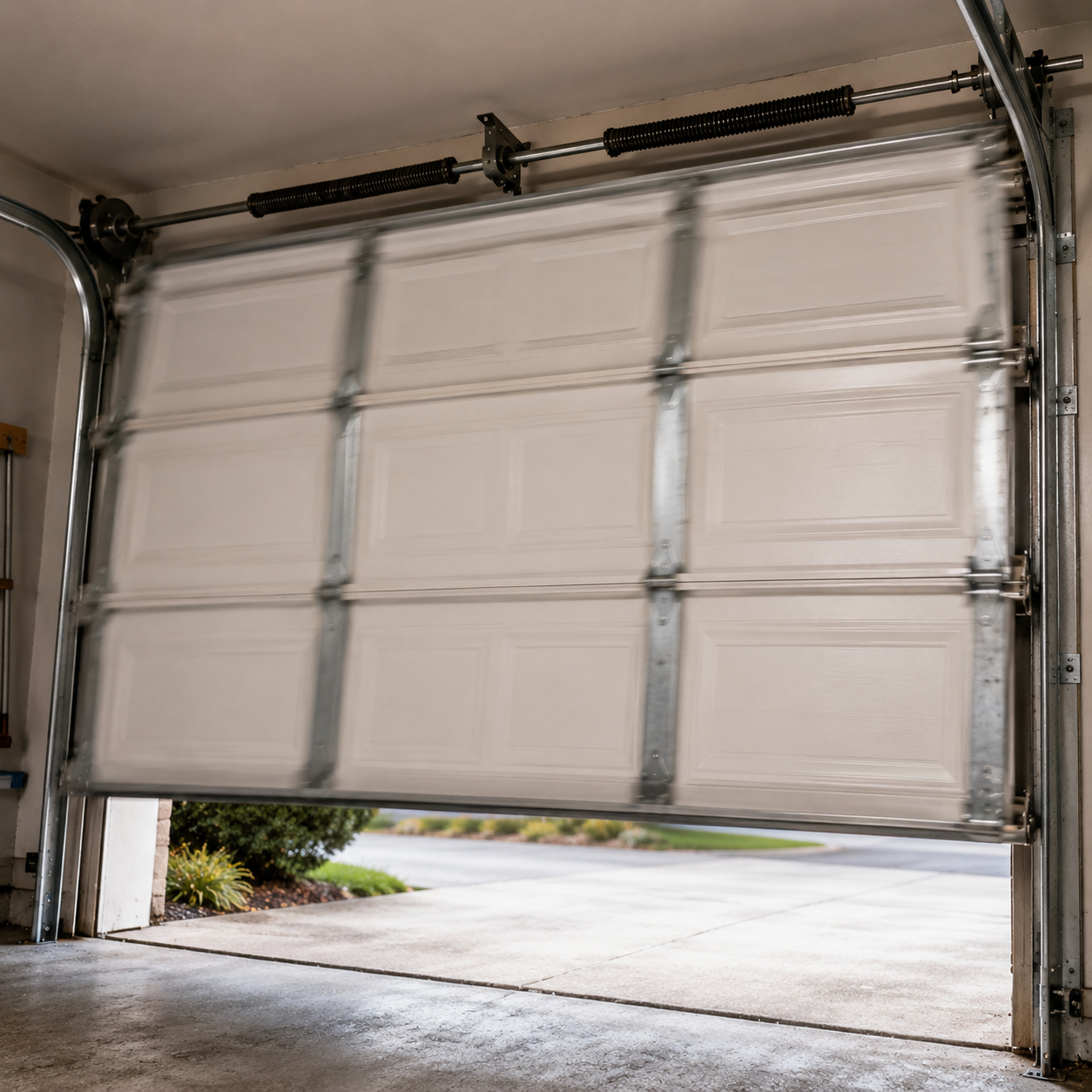
A garage door should glide up in one smooth motion. When it shakes, shudders, or lurches instead, the door is telling you that something in the system isn't moving cleanly — a worn roller, a catching track, loose hardware, or a balance problem in the springs. The jerky motion is more than annoying; left alone, it accelerates wear on the whole door and the opener. Here's how to read what's causing it.
Garage Door Closes Then Pops Back Open? Sensor or Spring
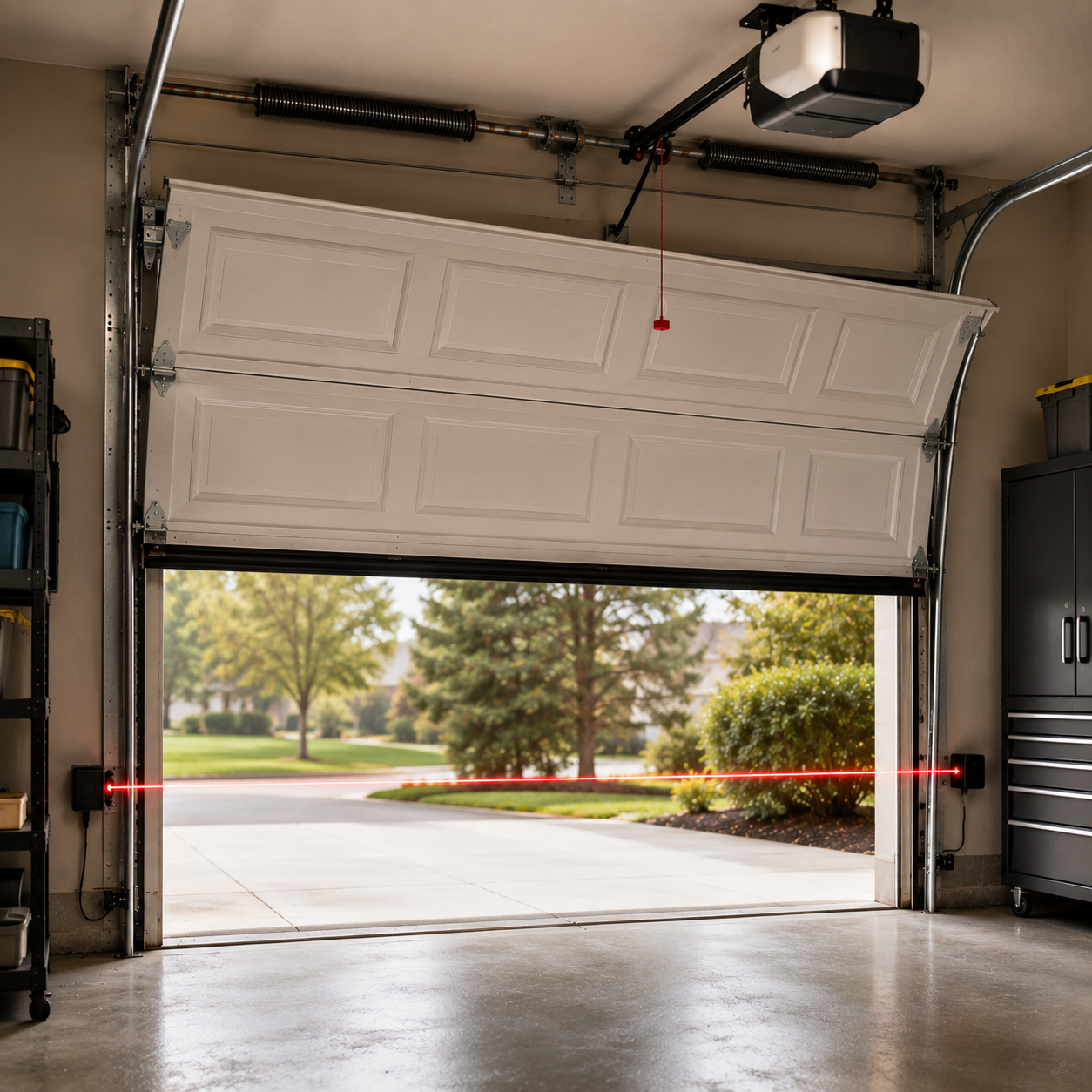
A garage door that closes most of the way and then pops back open is one of the more common opener complaints — and a confusing one, because the door seems to be undoing itself. The reassuring part is that this is usually a safety feature working, not a random glitch. The question is which safety system is being triggered, and the answer points to either the sensors or the springs and hardware.
The Truth About Garage Door Openers and Why Bigger Motors Aren’t Always Better
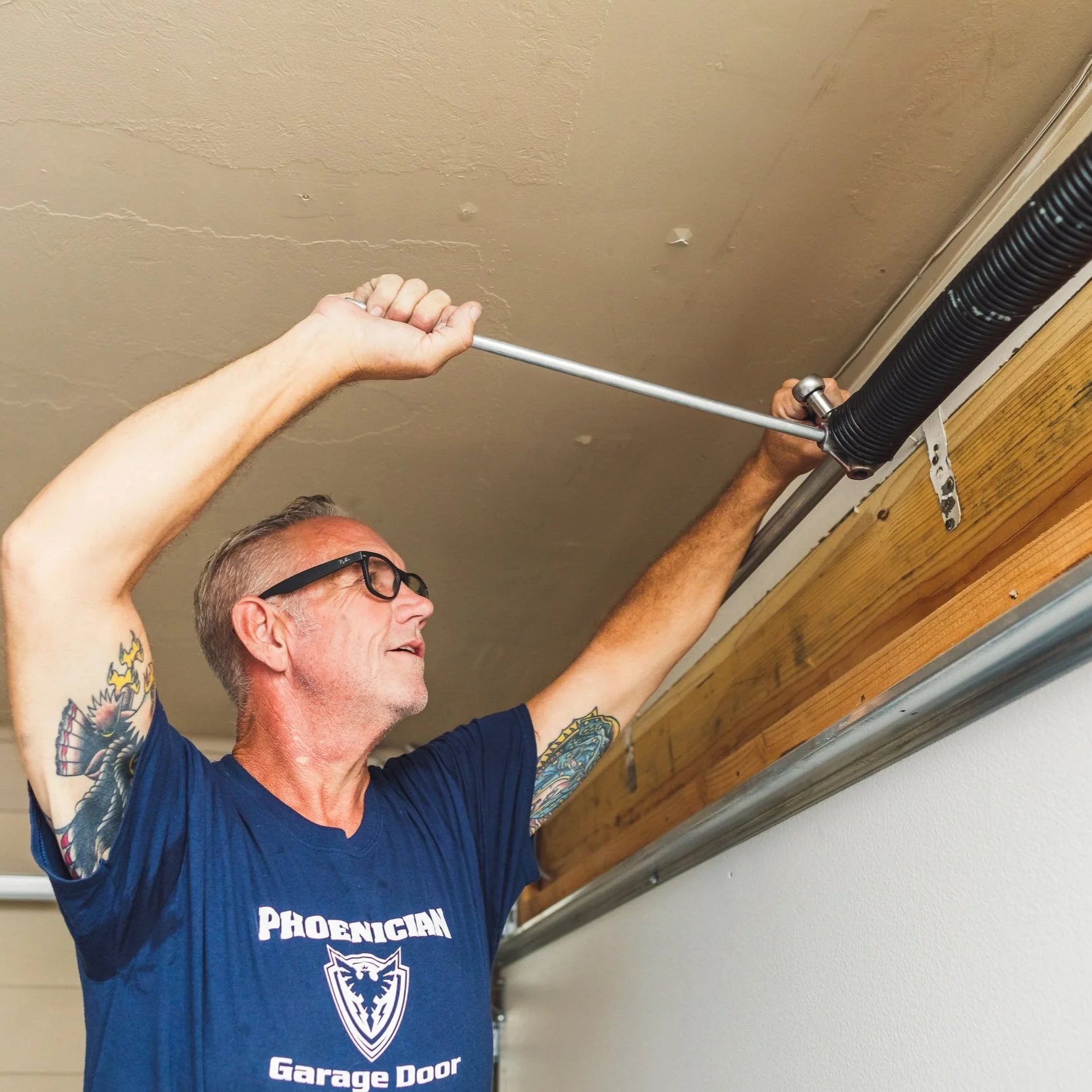
The door’s weight, balance, and overall mechanics play a significant role in how the opener performs.

The Small Garage Door Problems Arizona Homes Regret Ignoring
The noise gets louder, the movement gets rougher, and suddenly the door feels like another thing in the house that never quite works the way it should.
That Loud Bang in the Garage Wasn’t Random in Arizona
When a garage door spring snaps in Arizona heat, it announces itself loudly, and it usually does it at the worst possible moment.