
How Often Should You Replace a Garage Door Weather Seal in Phoenix?
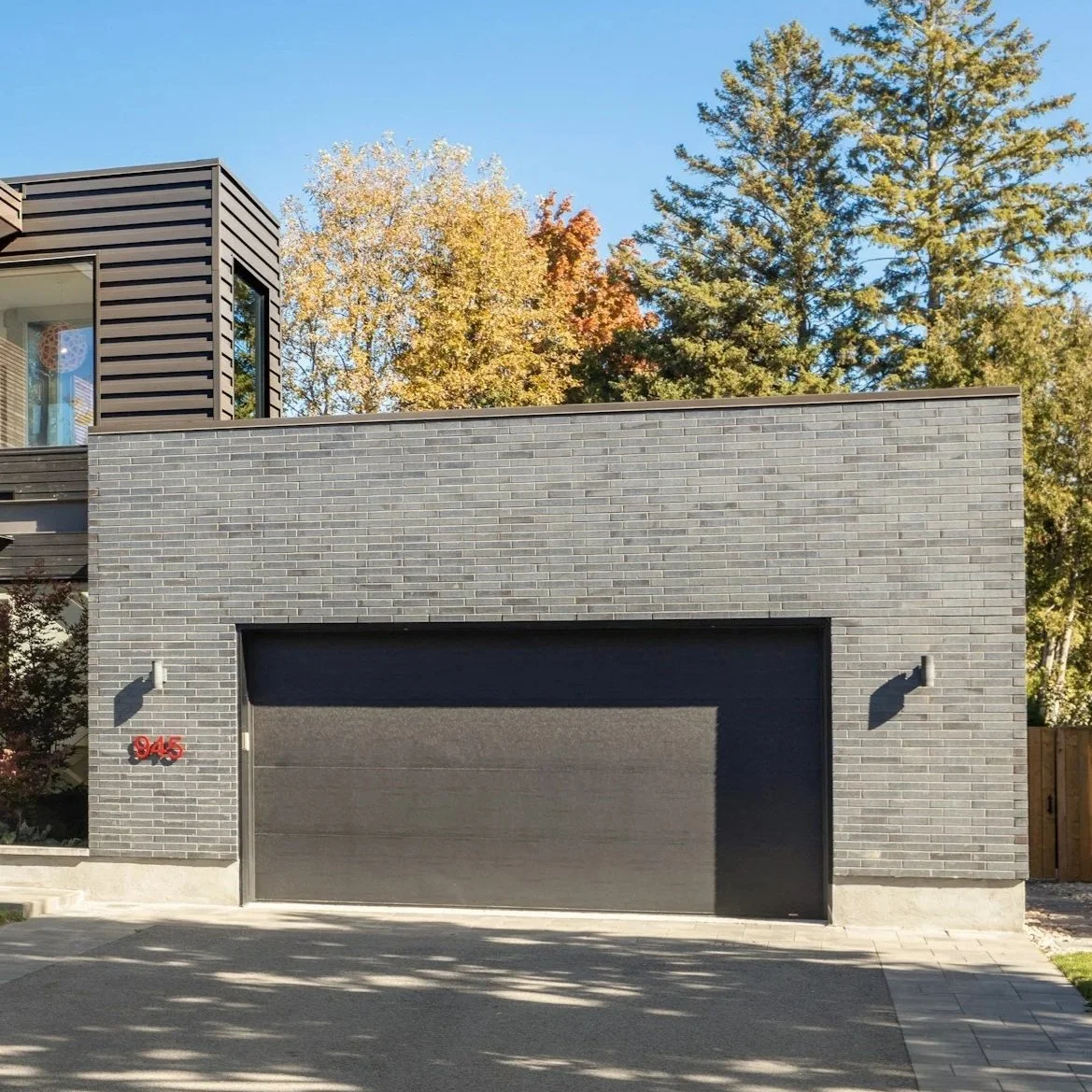
From a professional garage door service perspective, weather seal replacement ranks among the most common maintenance items, yet it gets delayed for far too long, too often.
Life in Phoenix, AZ, brings intense sun, dramatic temperature swings, dust storms, and monsoon rain that all team up against garage doors. One of the smallest components on a garage door carries the biggest workload in that environment: the weather seal. Homeowners rarely think about it until dirt piles up, critters sneak in, or hot air floods the garage like an open oven door. From a professional garage door service perspective, weather seal replacement ranks among the most common maintenance items, yet it gets delayed for far too long, too often.
Garage door weather seals act as the frontline defense between a garage and everything the Sonoran Desert throws at it. Heat, dust, moisture, insects, and even rodents all look for easy entry points, and worn seals roll out the welcome mat. In Phoenix neighborhoods where garages double as storage areas, workshops, or entry points into the home, seal condition plays a larger role than many realize. Replacing a weather seal at the right time supports energy efficiency, protects stored belongings, and helps garage doors operate more smoothly.
Understanding Garage Door Weather Seals And Their Role
Garage door weather seals come in several forms, each designed to block specific environmental threats. Bottom seals sit along the base of the door and compress against the concrete when the door closes. Perimeter seals run along the sides and top of the door frame, closing off gaps where air and debris love to sneak through. In Phoenix, bottom seals usually wear out first due to direct contact with hot concrete, UV exposure, and abrasion from grit and sand.
Professionally installed garage doors rely on these seals to maintain proper alignment and pressure when closing. When seals degrade, garage doors may slam harder, strain openers, or fail to close evenly. Over time, that added stress can shorten the lifespan of rollers, tracks, and openers. Weather seals may look like simple rubber strips, but they quietly support the health of the entire garage door system.
Phoenix Heat And UV Exposure Take Their Toll
Few environments punish rubber and vinyl materials like Phoenix, AZ. Summer temperatures regularly soar past triple digits, and surfaces like driveways and garage floors can become brutally hot. Weather seals spend their lives pressed against those surfaces while baking under relentless sun exposure. UV rays break down seal materials, causing cracking, brittleness, and loss of flexibility.
In milder climates, a garage door weather seal might last five years or more. In Phoenix, professionals often recommend inspection every year and replacement every two to three years, depending on exposure. South-facing garages usually experience faster deterioration since they absorb more direct sunlight throughout the day. Garages shaded by trees or neighboring structures may see slightly longer seal life, but desert heat still leaves its mark.
Dust Storms And Monsoon Rains Add Extra Stress
Phoenix weather brings more than sunshine. Seasonal dust storms push fine particles into every available opening. When weather seals lose their tight fit, dust slips under the door and coats floors, tools, and stored items. Over time, grit trapped under damaged seals grinds away at the material even faster, accelerating failure.
Monsoon storms introduce another challenge. Sudden heavy rainfall can send water flowing toward garage doors. Intact bottom seals help deflect moisture away from the interior, while worn seals allow water intrusion that can damage drywall, stored boxes, and even structural framing near the garage entry. Replacing seals before the monsoon season often prevents water-related headaches that cost far more than a routine service call.
Common Signs A Garage Door Weather Seal Needs Replacement
Homeowners in Phoenix often live with worn weather seals longer than they should, simply because the damage creeps in gradually. Clear warning signs usually appear before complete failure. Visible cracks, flattened sections, or brittle rubber indicate aging material that no longer compresses properly. Gaps under the door where sunlight peeks through signal seal shrinkage or tearing.
Another common indicator involves temperature changes inside the garage. If the garage suddenly feels much hotter than usual, especially in early morning or late evening, compromised seals may allow hot air to pour inside. Increased dust accumulation near the door opening also points toward seal failure. Professional garage door technicians look for these clues during routine inspections and can often predict upcoming seal replacement needs before problems escalate.
How Often Professionals Recommend Replacement In Phoenix, AZ
Based on local climate conditions and service experience, most garage door professionals recommend replacing bottom weather seals every two to three years in Phoenix. Perimeter seals may last slightly longer, often three to five years, depending on material quality and sun exposure. Homes located near open desert areas or construction zones may require more frequent replacement due to heavier dust exposure. Routine annual inspections allow technicians to evaluate seal condition alongside springs, cables, rollers, and tracks. Proactive replacement avoids sudden failures that invite pests or water into the garage. Waiting until seals completely disintegrate often leads to secondary issues such as warped door panels or opener strain, which raises repair costs significantly.
Why Professional Replacement Matters More than Homeowners Think
Weather seal replacement may sound simple, but professional installation makes a noticeable difference. Garage door bottoms vary in design, and selecting the correct seal profile matters for proper compression and door balance. Incorrect seals may drag on the floor, stress the opener, or leave gaps that defeat the purpose entirely. Professional technicians also inspect the concrete threshold for uneven settling or cracks that affect seal performance.
In Phoenix, shifting soil and slab movement can create slopes that prevent full seal contact. Addressing these issues during replacement helps garage doors close smoothly and seal effectively. Proper installation extends seal lifespan and protects other garage door components from unnecessary wear.
Energy Efficiency And Comfort Benefits In Phoenix Homes
While garages in Phoenix often remain unconditioned, many homes share walls between garages and living spaces. Failing weather seals allow heat transfer that forces air conditioning systems to work harder. Over time, energy bills creep upward, and indoor comfort suffers, especially in rooms adjacent to the garage.
Replacing worn seals helps maintain a more stable temperature barrier. Homeowners who use garages as workshops or storage spaces notice immediate improvements in comfort and cleanliness after professional seal replacement. Even small gaps can create noticeable temperature differences during peak summer months, making seal condition an important part of whole home efficiency.
Protecting Against Pests And Unwanted Guests
Phoenix supports a wide variety of critters that appreciate cool shade and easy access to shelter. Insects, rodents, and even snakes exploit small gaps under garage doors. Weather seals that have cracked or pulled away create inviting entry points that quickly become problems. Professional garage door services often receive calls related to pest intrusion traced back to failed seals. Replacing seals promptly closes off access routes and helps prevent infestations that lead to costly extermination services or property damage. Maintaining tight seals offers peace of mind alongside practical protection.
How Seal Replacement Fits Into Overall Garage Door Maintenance
Garage door weather seal replacement works best as part of a comprehensive maintenance plan. During service visits, technicians evaluate springs, cables, rollers, hinges, tracks, and opener settings alongside seal condition. Addressing minor issues early prevents cascading failures that disrupt daily routines. In Phoenix, many homeowners schedule annual garage door inspections timed before summer heat peaks or ahead of monsoon season. Coordinating seal replacement with these visits saves time and helps keep garage doors operating year-round reliably. Professional maintenance extends the system's lifespan and reduces emergency repair calls during the hottest months of the year.
Choosing The Right Materials For Desert Conditions
Not all weather seals perform equally in Phoenix conditions. High-quality rubber or vinyl blends designed for UV resistance hold up better against sun exposure and heat cycling. Cheap materials may cost less initially but degrade rapidly, leading to more frequent replacements.
Professional garage door companies source seals suited for desert climates and match them to specific door designs. Proper material selection plays a major role in replacement intervals and long-term performance. Investing in the right seal pays off through fewer service calls and better protection against environmental stress.
Garage Door Weather Seal Replacement FAQs in Phoenix, AZ
How often should garage door weather seals be replaced in Phoenix, AZ?
Most garage door professionals recommend replacing the bottom weather seals every two to three years in Phoenix, AZ, due to intense heat and sun exposure. Perimeter seals may last slightly longer, but still benefit from regular inspection.
What happens if I delay garage door weather seal replacement in Phoenix, AZ?
Delaying replacement can lead to dust buildup, pest entry, water intrusion during monsoon storms, and increased strain on garage door components. Over time, minor seal issues can contribute to more expensive garage door repairs.
Can worn weather seals affect garage door performance in Phoenix, AZ?
Yes, damaged weather seals can affect how garage doors close and distribute pressure. Poor sealing may cause doors to slam harder or fail to close evenly, which increases wear on openers, springs, and tracks.
Are garage door weather seals the same for all garage doors in Phoenix, AZ?
Garage doors use different seal profiles based on door design and track systems. Professional installation helps match the correct seal type to each door, which improves performance and lifespan.
When is the best time of year to replace garage door weather seals in Phoenix, AZ?
Spring and early summer offer ideal timing since seals can be replaced before extreme heat peaks or monsoon season begins. Annual inspections help identify the right moment for replacement before problems develop.
