
Best Garage Door Weather Seal Materials for Arizona (Vinyl, Rubber, or Silicone)
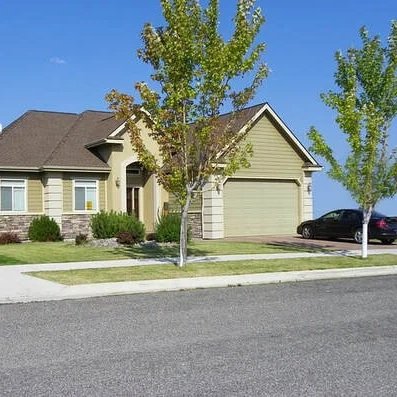
Vinyl, rubber, and silicone all appear similar at a glance, yet they behave very differently under extreme heat and UV exposure.
Garage doors in Arizona live a harder life than most homeowners realize. Daily sun exposure, triple-digit summer heat, dust storms, and monsoon rain all target one quiet but critical component: the weather seal. When that seal performs well, garages stay cleaner, cooler, and far less inviting to pests. When it fails, dust creeps in, water sneaks under the door, and the garage starts feeling more like an extension of the outdoors than part of the home. Professional garage door services across Phoenix, AZ, see seal-related issues year-round, often tied directly to material choice.
Selecting the right weather seal material matters more in Arizona than in milder climates. Vinyl, rubber, and silicone all appear similar at a glance, yet they behave very differently under extreme heat and UV exposure. From a professional perspective, choosing the correct material influences how often seals need replacement, how well garage doors perform, and how protected the garage remains through every season.
Why Arizona Climate Demands Better Weather Seal Materials
Arizona weather places unique stress on garage doors. Sun exposure lasts for hours each day, baking seals against hot concrete and metal door panels. UV rays break down materials over time, while temperature swings between early morning and late afternoon cause expansion and contraction that fatigue even durable products.
Dust storms introduce abrasive grit that wears down seals through constant friction. Monsoon storms add water pressure and wind-driven rain that test seal compression and flexibility. Professional garage door technicians consider these factors when recommending seal materials for homes across Phoenix and the surrounding areas. A seal that works fine elsewhere may struggle quickly in desert conditions.
Understanding How Weather Seals Protect Garage Doors
Weather seals create a barrier between the garage interior and the outside environment. Bottom seals compress against the concrete floor to block water, dust, and debris. Side and top seals close gaps along the door frame where air and pests often enter. Material flexibility plays a major role in performance. Seals must compress evenly without cracking or flattening. They also need resilience to bounce back after repeated use. Professional installation aligns the seal properly, but long-term success depends heavily on material behavior under Arizona heat.
Vinyl Weather Seals In Arizona Garages
Vinyl weather seals often attract homeowners due to their affordability and availability. Many standard garage doors ship with vinyl seals installed from the factory. Vinyl offers decent flexibility at moderate temperatures and installs easily into common retainer systems.
In Arizona, vinyl faces challenges as temperatures rise. Prolonged heat exposure causes vinyl to stiffen and lose elasticity. Over time, seals may flatten out and fail to maintain proper compression against the floor or door frame. UV exposure accelerates surface cracking, especially on south-facing garages.
Professional garage door services still use vinyl in specific situations. Garages with limited sun exposure or interior shaded driveways may see acceptable performance from higher quality vinyl blends. Frequent inspection becomes important, since early signs of hardening often appear before visible cracking. Vinyl may require more frequent replacement compared to other materials in Phoenix conditions.
Rubber Weather Seals And Their Performance In Heat
Rubber weather seals offer greater flexibility than vinyl and often deliver better compression when new. Many rubber seals adapt well to minor floor variations, which helps block dust and water effectively. Professional technicians appreciate rubber for its ability to form a tight seal across uneven surfaces.
Arizona heat presents both advantages and drawbacks for rubber. Higher quality rubber compounds resist cracking better than vinyl, yet prolonged exposure still leads to gradual hardening. Rubber seals also attract dust, which sticks to the surface and increases abrasion over time.
In Phoenix, rubber seals often outperform vinyl during their early lifespan. With proper material selection and professional installation, rubber seals provide reliable protection for several years. Annual inspections help identify when flexibility begins to decline, allowing replacement before performance drops significantly.
Silicone Weather Seals And Desert Durability
Silicone weather seals represent the premium option for Arizona garages. Silicone resists UV exposure and extreme temperatures better than vinyl or rubber. Flexibility remains stable across wide temperature ranges, which allows seals to compress and rebound consistently even during peak summer heat.
Professional garage door technicians often recommend silicone seals for homes with heavy sun exposure or recurring seal failures. Silicone does not harden as quickly and maintains sealing performance longer. Dust still accumulates, but the material resists abrasion better and cleans more easily.
Installation requires precision, since silicone seals cost more upfront. Professional services focus on proper fit and alignment to maximize lifespan. While initial investment runs higher, silicone often reduces replacement frequency, making it cost-effective over time for Arizona homeowners.
How UV Exposure Affects Seal Materials Differently
UV radiation plays a major role in the degradation of seals. Vinyl tends to show surface cracking and chalking as UV breaks down its structure. Rubber fares better initially but eventually loses elasticity and develops microcracks that reduce compression. Silicone excels in UV resistance. The material structure withstands prolonged exposure without significant breakdown. Professional experience shows silicone seals retaining flexibility long after vinyl or rubber alternatives require replacement. For garages facing direct afternoon sun, UV resistance becomes a deciding factor.
Compression And Floor Contact Considerations
Arizona garages often feature concrete slabs that settle unevenly over time. Seals must adapt to small gaps without leaving openings for water or dust. Rubber and silicone handle these variations better than vinyl due to superior elasticity. Bottom seals rely on consistent compression across the door width. Materials that flatten or harden lose contact at low spots. Professional installation addresses alignment, yet material choice ultimately determines how well the seal maintains contact as conditions change.
Heat Cycling and Long-Term Performance
Daily temperature swings cause seals to expand and contract repeatedly. Vinyl struggles under constant cycling, leading to fatigue and loss of shape. Rubber performs better initially but still degrades over time. Silicone handles cycling with minimal impact on flexibility. Professional garage door services consider heat cycling when recommending materials. Homes in Phoenix experience months of extreme cycling each year, making long-term resilience a priority.
Water Protection During Monsoon Season
Monsoon storms challenge seals with sudden water volume and wind pressure. Bottom seals must resist water intrusion under pressure, while side seals block wind-driven rain. Vinyl may perform adequately during light rain but often fails under heavy conditions once flexibility declines. Rubber provides stronger water resistance initially, while silicone maintains consistent performance even after years of exposure. Professional technicians frequently recommend silicone seals for garages with repeated water intrusion issues.
Pest Control Benefits Based On Seal Material
Insects and rodents exploit small gaps around garage doors. Flexible materials block these entry points more effectively. Rubber and silicone seals form tighter barriers, especially as temperatures fluctuate. Vinyl seals that harden quickly allow gaps to form, inviting pests inside. Professional services often identify pest intrusion linked directly to degraded seals. Upgrading material improves protection and reduces unwanted visitors.
Maintenance And Cleaning Differences
Dust accumulation affects all seals in Arizona. Vinyl and rubber collect grit that increases wear. Silicone surfaces resist buildup more effectively and clean easily with routine maintenance. Professional maintenance includes cleaning seals to remove abrasive debris. Material choice influences how often cleaning and replacement become necessary.
Cost Versus Value In Arizona Homes
Vinyl seals offer a lower upfront cost but shorter lifespan in Phoenix conditions. Rubber sits in the middle, balancing cost and performance. Silicone costs more initially but often delivers the best long-term value due to extended durability. Professional recommendations consider homeowner priorities. For rental properties or shaded garages, vinyl or rubber may suffice. For long-term residences with heavy sun exposure, silicone often proves the smartest investment.
Matching Seal Material To Garage Door Usage
Garage doors, when used frequently, place additional stress on seals through repeated compression cycles. Materials that recover quickly perform better under heavy use. Silicone maintains rebound strength longer, making it suitable for busy households. Professional assessments factor in daily usage, door weight, and environmental exposure when selecting seal materials.
Integrating Seal Replacement Into Garage Door Maintenance
Seal replacement works best as part of routine garage door service. Professional technicians inspect springs, rollers, tracks, and alignment, along with seal condition. Addressing all factors together improves overall performance. Arizona homeowners benefit from annual inspections that track material wear and recommend timely replacement. Proactive service prevents sudden failures during peak heat or monsoon storms.
Choosing Professional Installation Over Guesswork
Material quality matters, but installation quality determines results. Professional garage door services select correct seal profiles, trim materials precisely, and align seals for consistent compression. Improper installation shortens the lifespan regardless of the material. Professional experience with Arizona conditions guides recommendations that balance durability, cost, and performance.
Garage Door Weather Seal Material FAQs for Arizona Homes
Which garage door weather seal material lasts longest in Arizona heat?
Silicone weather seals typically last the longest due to superior UV and heat resistance. They maintain flexibility longer than vinyl or rubber in Phoenix conditions.
Are rubber garage door seals good for Arizona homes?
Rubber seals perform better than vinyl in heat, but still harden over time. They work well for moderate exposure and offer a balance between cost and durability.
Why do vinyl garage door seals fail faster in Phoenix, AZ?
Vinyl loses flexibility under prolonged heat and UV exposure. Hardening and cracking reduce compression, allowing dust and water to enter the garage.
Is silicone worth the higher cost for garage doors in Arizona?
Silicone often delivers better long-term value by reducing replacement frequency and maintaining performance in extreme heat. Many homeowners find the investment worthwhile.
How often should garage door weather seals be inspected in Phoenix, AZ?
Annual inspections work well for most homes. Extreme exposure or frequent use may require more frequent checks to catch early signs of material fatigue.
Residents in Phoenix, AZ, and surrounding areas can count on Phoenician Garage Door & Repair for all garage door roller replacement, garage door weather seal replacement, and 24-hour garage door emergency service. As a licensed, bonded, and insured company, we take pride in offering top-notch workmanship, using the highest quality parts. We assure prompt response and same-day service. Schedule your service today!
