
How to Seal a Garage Door Before Monsoon Season in Phoenix?
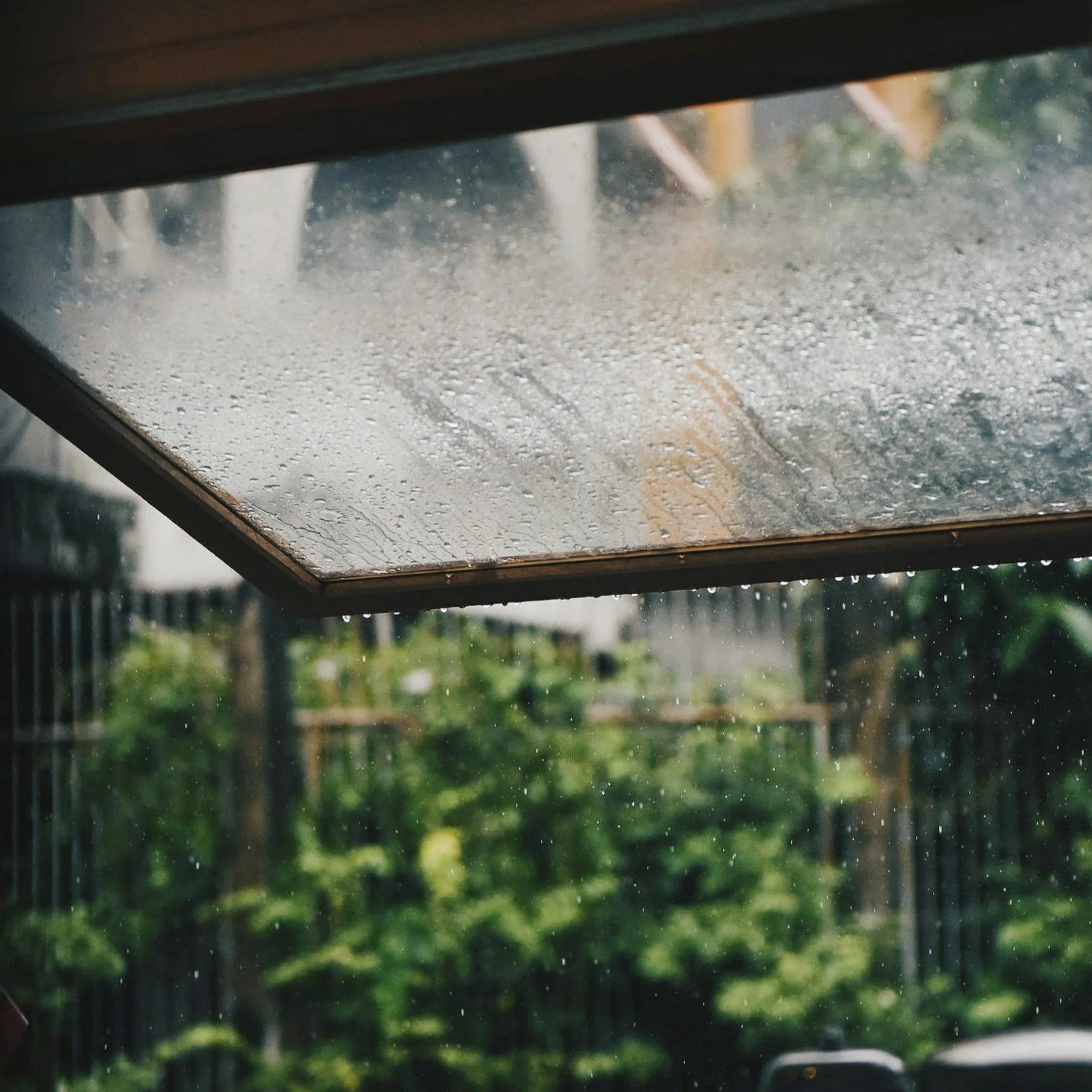
Sealing a garage door before monsoon season plays a major role in protecting the structure, stored belongings, and nearby living spaces from storm-related damage.
Monsoon season in Phoenix, AZ has a reputation for arriving fast and loud, often with sideways rain, sudden wind gusts, and dust that finds its way into places nobody invited it. Garage doors sit right at ground level, serving as the largest opening on most homes, making them a favorite target for moisture intrusion, blown debris, and unplanned wildlife visits. Sealing a garage door before monsoon season plays a major role in protecting the structure, stored belongings, and nearby living spaces from storm-related damage. Professional garage door services approach sealing as a system-wide task rather than a single fix, because small gaps often lead to big problems once the storms roll in.
In Phoenix neighborhoods where garages double as storage rooms, workshops, or the main entry point into the home, proper sealing becomes even more valuable. Water intrusion, dust buildup, and temperature swings affect both comfort and long-term property condition. Addressing garage door sealing before monsoon season supports smoother door operation, reduces cleanup headaches, and helps maintain garage door performance under extreme desert weather conditions.
Why Monsoon Season Is Tough On Garage Doors In Phoenix
Phoenix monsoon storms combine heavy rain with strong winds that push moisture toward garage doors at ground level. Even a small gap under or around the door allows water to travel inside, where it can soak drywall, damage stored items, and create lingering moisture issues. Wind-driven rain tends to exploit weaknesses along the bottom seal and side perimeter, especially when seals have hardened or cracked from summer heat. Dust storms often arrive ahead of or alongside rain, coating weather seals with abrasive grit. That grit accelerates wear and reduces the ability of seals to compress properly against the floor or frame.
Over time, garage doors that once closed snugly may develop uneven contact points that leave openings large enough for water and pests. Professional sealing focuses on restoring full contact around the entire door opening to handle these harsh conditions.
Understanding Garage Door Sealing Components
Sealing a garage door involves more than a single strip of rubber. Bottom weather seals attach to the base of the door and press against the concrete slab when closed. Side and top perimeter seals mount to the door frame, creating a barrier around the edges where air, water, and debris often sneak in. Threshold seals may also be installed directly on the garage floor to provide an additional water deflection layer in areas prone to runoff. Each component plays a specific role during the monsoon season. Bottom seals block surface water and debris, perimeter seals prevent wind-driven rain and dust infiltration, and thresholds help redirect water away from the interior. Professional garage door technicians evaluate all sealing components together, since replacing one part while ignoring others often leads to incomplete protection.
How Phoenix Heat Affects Garage Door Seals Before Monsoon Season
Extreme heat shapes how garage door seals perform during monsoon storms. Summer temperatures in Phoenix regularly exceed triple digits, baking rubber and vinyl materials until they lose flexibility. Hardened seals fail to compress evenly, leaving gaps even when the door appears fully closed. When rain arrives, those gaps become water pathways straight into the garage. UV exposure adds another layer of damage, breaking down seal materials at a molecular level. Seals may crack, split, or shrink away from mounting points.
Professional inspections before the monsoon season often reveal seals that appear intact from a distance but no longer provide a tight seal. Addressing heat-related degradation ahead of storm season helps prevent surprise leaks during heavy rainfall.
Professional Inspection Before Sealing Makes A Difference
Effective garage door sealing starts with a thorough inspection. Professional technicians assess the door alignment, track condition, and closing pressure before replacing or adjusting seals. A door that does not close evenly cannot maintain consistent contact with seals, no matter how new the materials may be. Concrete slabs also receive attention during inspections. In Phoenix, soil movement and settling can create uneven garage floors, affecting seal performance. Low spots allow water to pool near the door opening, increasing intrusion risk during storms. Identifying these issues early allows technicians to recommend threshold solutions or adjustments that improve water deflection.
Replacing Bottom Weather Seals For Monsoon Protection
Bottom weather seals face the harshest conditions in Phoenix. Heat, UV exposure, and constant contact with hot concrete shorten their lifespan. Before monsoon season, professionals often recommend replacing worn bottom seals rather than trying to stretch them out another season. Garage doors use different bottom seal profiles, and choosing the wrong type can result in dragging, poor compression, or gaps. Professional installation aligns the seal correctly within the door retainer and trims it precisely for full-width coverage. A well-installed bottom seal forms the first line of defense against wind-driven rain and debris during storms.
Upgrading Side And Top Perimeter Seals
Perimeter seals along the sides and top of the garage door frame often receive less attention, yet they play a critical role during monsoon season. Wind-driven rain frequently enters from the sides rather than straight under the door. Worn or flattened perimeter seals allow moisture and dust to bypass the door entirely.
Professional sealing services replace these seals with materials designed to retain flexibility even under heat exposure. Proper placement creates a consistent seal against the door surface when closed. Technicians also check mounting points to confirm the seals remain securely fastened during high winds. Reinforced perimeter sealing reduces rattling and noise during storms while improving overall protection.
Threshold Seals And Water Diversion Solutions
In some Phoenix neighborhoods, driveway slope directs water toward garage doors during heavy rain. Threshold seals provide an added layer of defense by creating a raised barrier on the garage floor that helps divert water back outside. These seals work alongside bottom weather seals to handle larger volumes of runoff. Professional installation involves surface preparation and precise placement to achieve proper adhesion and alignment. Threshold seals must allow garage doors to close smoothly without excessive resistance. When installed correctly, they significantly reduce water intrusion during intense monsoon downpours, especially in older homes with uneven slabs.
How Sealing Supports Garage Door Performance
Sealing a garage door impacts more than weather protection. Proper seals help distribute closing pressure evenly across the door, reducing strain on springs, rollers, and openers. When gaps exist, doors may slam harder or fail to close fully, increasing wear on mechanical components.
Professional garage door services consider sealing part of the overall system performance. Adjustments to opener force settings and door balance are often required when replacing a seal. These combined steps promote quieter operation and extend the lifespan of garage doors in Phoenix conditions.
Energy Efficiency Benefits During Storm Season
Although garages in Phoenix often remain unconditioned, many share walls with living spaces. Gaps around garage doors allow hot, humid air to enter during monsoon storms, raising indoor temperatures and increasing cooling demands. Sealing reduces unwanted air exchange, helping maintain more stable indoor conditions. Homeowners often notice reduced dust infiltration and more consistent temperatures after professional sealing services. While sealing alone does not transform a garage into a climate-controlled space, it plays a valuable supporting role in whole-home comfort during seasonal weather shifts.
Pest Prevention Through Proper Garage Door Sealing
Monsoon season triggers increased pest activity in Phoenix, as insects and rodents seek shelter from heavy rain. Even small gaps under or around garage doors offer easy access points. Once inside, pests can damage stored items and find pathways into the home. Experienced sealing closes off these entry routes by restoring tight contact along all edges of the door. Technicians often spot early signs of pest activity during inspections and address vulnerable areas before infestations develop. Effective sealing adds an extra layer of protection beyond basic pest control measures.
Timing Matters for Pre-Monsoon Garage Door Sealing
Scheduling sealing services before the monsoon season begins allows time for proper inspection, material selection, and installation without weather interruptions. Spring and early summer offer ideal windows for service, when seals can be replaced and adhesives cured under dry conditions.
Waiting until storms arrive often leads to rushed repairs or temporary fixes that fail under pressure. Proactive sealing reduces emergency service calls and helps garage doors perform reliably when weather conditions become unpredictable.
Choosing Professional Garage Door Services In Phoenix, AZ
Professional garage door companies serving Phoenix, AZ, understand the local climate challenges and tailor sealing solutions accordingly. Experience with desert heat, monsoon patterns, and regional construction styles informs material choices and installation techniques. Local knowledge plays a key role in achieving durable results. Working with trained technicians also provides access to comprehensive inspections that catch related issues before they escalate. Sealing becomes part of a broader maintenance approach that supports long-term performance and reliability for garage doors throughout the year.
Garage Door Sealing FAQs for Phoenix Monsoon Season
How do I know if my garage door needs sealing before monsoon season in Phoenix, AZ?
Visible gaps, cracked weather seals, increased dust inside the garage, or water marks near the door opening all indicate sealing issues. Professional inspections identify problems that may not be obvious at first glance.
What parts of a garage door should be sealed for monsoon protection in Phoenix, AZ?
Effective sealing includes the bottom weather seal, side and top perimeter seals, and, in some cases, a threshold seal on the garage floor. Addressing all areas together provides better protection during storms.
Can sealing a garage door help prevent water damage during Phoenix monsoon storms?
Yes, proper sealing reduces water intrusion caused by wind-driven rain and runoff. Replacing worn seals and improving water diversion helps protect the garage interior and nearby living spaces.
How often should garage door seals be replaced in Phoenix, AZ?
Due to heat and UV exposure, bottom seals often need replacement every two to three years, while perimeter seals may last slightly longer. Annual inspections help determine the right timing.
Should garage door sealing be combined with other maintenance services in Phoenix, AZ?
Sealing works best alongside inspections of door balance, opener settings, and hardware condition. Professional maintenance addresses multiple factors that influence garage door performance during the monsoon season.
Residents in Phoenix, AZ, and surrounding areas can count on Phoenician Garage Door & Repair for all garage door roller replacement, garage door weather seal replacement, and 24-hour garage door emergency service. As a licensed, bonded, and insured company, we take pride in offering top-notch workmanship, using the highest quality parts. We assure prompt response and same-day service. Schedule your service today!
