
Bottom Seal vs Threshold Seal: Which One Stops Water Best?
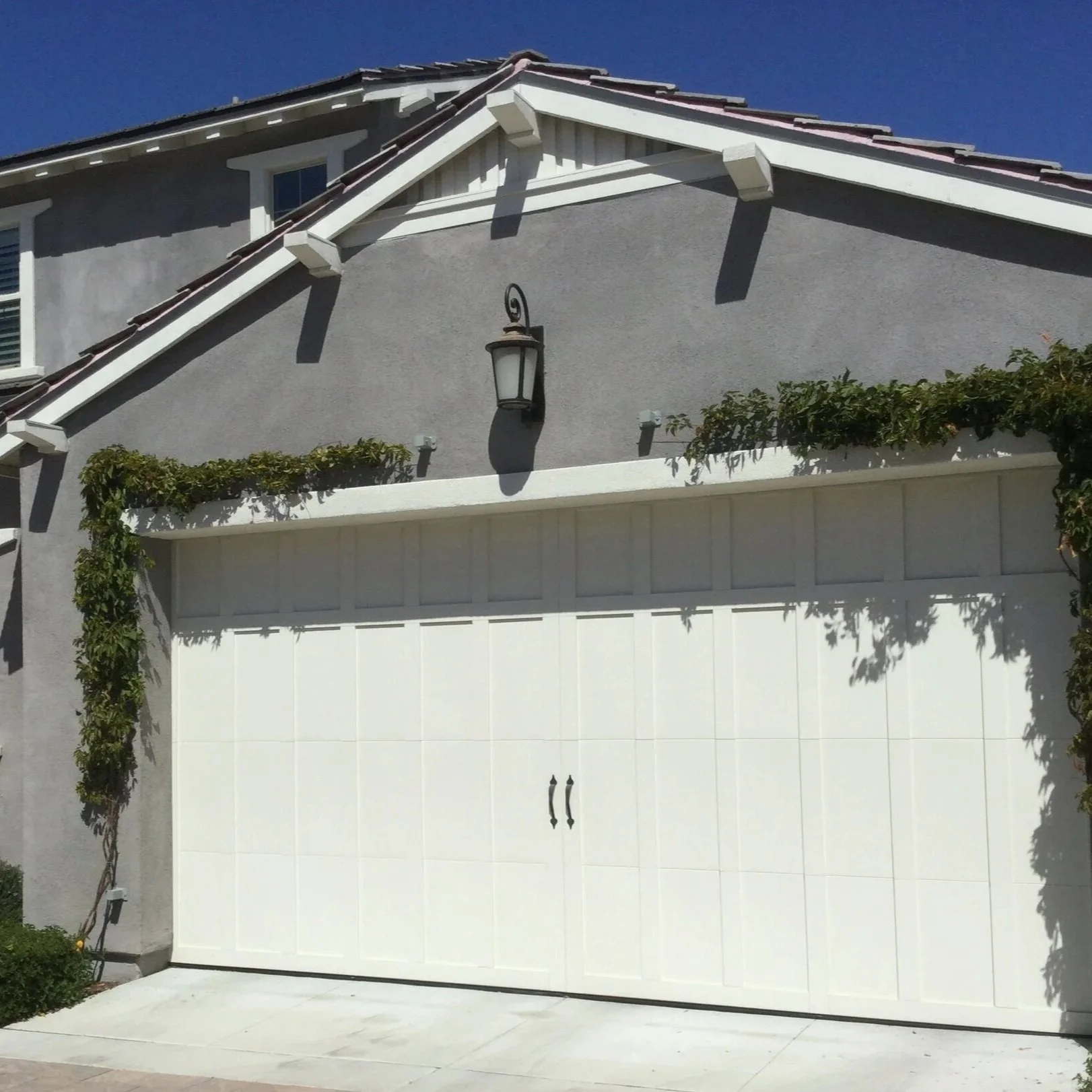
From a professional garage door service perspective, the answer depends on how water behaves around the garage and how garage doors interact with the surrounding surfaces.
Water inside a garage never arrives quietly. It creeps in during heavy rain, spreads across the floor, and leaves behind warped boxes, damp drywall, and a lingering musty smell that nobody asked for. In Phoenix, AZ, monsoon storms add wind pressure and sudden runoff, turning garage doors into a frontline defense against water intrusion. Homeowners often hear about bottom seals and threshold seals as solutions, yet confusion remains about which one actually stops water best. From a professional garage door service perspective, the answer depends on how water behaves around the garage and how garage doors interact with the surrounding surfaces.
Garage doors sit at ground level, where even small gaps become major problems during storms. Water does not need a wide opening to enter, especially when wind pushes it sideways or driveway slopes funnel runoff toward the door. Bottom seals and threshold seals both play important roles, but they function differently. Understanding how each one works helps homeowners make informed decisions before water damage becomes a recurring issue.
Why Water Intrusion Is Common Around Garage Doors In Phoenix
Phoenix garages face unique challenges that contribute to water intrusion. Monsoon storms deliver intense rainfall in short bursts, overwhelming drainage systems and creating temporary streams along driveways. Wind-driven rain targets the lower edges of garage doors where seals work hardest. Heat also plays a role as extreme temperatures harden rubber components over time, reducing their ability to compress and rebound. Concrete slabs may shift or settle due to soil movement, creating uneven contact points along the door opening. Professional garage door inspections often reveal that water problems stem from a combination of worn seals and surface irregularities rather than a single failure point.
Understanding The Bottom Seal And How It Works
A bottom seal attaches directly to the bottom edge of the garage door. When the door closes, the seal compresses against the concrete floor, forming a barrier that blocks water, dust, and debris. Bottom seals come in various profiles designed to fit specific garage door retainers, allowing them to flex and adapt to minor floor variations.
During light rain, a healthy bottom seal prevents water from seeping under the door. Compression plays a key role here. Flexible material presses tightly against the surface, closing off gaps that water might exploit. Professional installation matters because incorrect sizing or improper placement can reduce compression and lead to leaks. In Phoenix, bottom seals endure harsh conditions. Constant heat, UV exposure, and abrasive dust shorten their lifespan. As material hardens or cracks, compression weakens. Once flexibility disappears, water finds pathways underneath, especially during wind-driven storms.
Understanding The Threshold Seal And How It Works
A threshold seal mounts directly to the garage floor just inside or at the door opening. Unlike bottom seals that move with the door, threshold seals remain stationary. They create a raised barrier that redirects water away from the interior and back toward the driveway. Threshold seals excel in situations where water volume exceeds the capacity of standard bottom seals. When heavy rain pushes runoff toward the garage, the raised edge forces water to change direction rather than flow inside. Professional services often recommend threshold seals when the driveway slope directs water toward the garage opening.
Proper installation proves critical. Surface preparation and alignment determine how effectively the threshold adheres and functions. A poorly installed threshold may peel, crack, or interfere with door movement. Professional technicians account for door clearance, vehicle traffic, and floor condition to achieve reliable results.
How Wind-Driven Rain Changes The Equation
Wind plays a major role in Phoenix monsoon storms. Rain rarely falls straight down, instead striking garage doors at angles that challenge traditional sealing methods. Bottom seals primarily block water from below, while threshold seals resist water pushed inward along the floor. In strong winds, rain can bypass a worn bottom seal by forcing its way under small gaps. Threshold seals add a secondary line of defense by stopping water that makes it past the door edge. Professional garage door services often view these seals as complementary rather than competing solutions.
Comparing Performance During Light Rain Events
During mild rainfall, a properly functioning bottom seal often provides sufficient protection. Compression against the concrete prevents water intrusion without altering floor height. Homeowners with level driveways and minimal runoff typically rely on bottom seals alone. Threshold seals still contribute during light rain by offering backup protection, though they may not be strictly necessary in these conditions. Professional assessments focus on seal condition and driveway behavior to determine whether additional measures add value.
Comparing Performance During Heavy Monsoon Storms
Heavy monsoon storms reveal the limitations of relying on a single sealing method. Intense rainfall combined with wind pressure can overwhelm bottom seals, especially if material flexibility has declined. Water may pool against the door and seep underneath through microscopic gaps.
Threshold seals shine during these events by acting as physical barriers. Even when water reaches the interior edge of the door, the raised threshold blocks further movement. Professional technicians often recommend threshold seals for garages with a history of water intrusion during the monsoon season.
How Driveway Slope Influences Seal Effectiveness
Driveway slope plays a decisive role in seal performance. Garages with driveways that slope toward the door experience higher water pressure during storms. Bottom seals compress against the floor, but sustained water flow can still force moisture underneath. Threshold seals counteract slope-related challenges by providing elevation that disrupts water flow. Professional services evaluate driveway grading as part of water intrusion diagnostics. In many Phoenix homes, combining bottom and threshold seals offers the most reliable solution.
The Role Of Garage Door Alignment And Balance
Seal performance depends on how evenly the garage door closes. Misaligned doors fail to compress the bottom seals consistently, leaving gaps through which water can enter. Heat-related expansion and track movement can worsen alignment issues over time. Technicians address alignment before installing seals. Correcting track spacing and door balance improves seal contact across the entire opening. Threshold seals still help, but optimal results rely on proper door operation.
Material Quality And Heat Resistance Considerations
Not all seals perform equally under Phoenix heat. Bottom seals made from low-quality rubber harden quickly, losing compression within a short period. Threshold seals also vary in durability, with some materials cracking under UV exposure. Professional garage door companies select seals designed for desert conditions. UV-resistant materials and flexible compounds maintain performance longer. Material choice influences replacement frequency and long-term water protection.
Maintenance Differences Between Bottom And Threshold Seals
Bottom seals experience constant movement and friction, requiring more frequent inspection and replacement. Professional services typically recommend checking bottom seals annually due to their exposure to heat and abrasion. Threshold seals remain stationary and often last longer, though they still require inspection for adhesion and surface wear. Professional maintenance includes cleaning debris that may accumulate along the threshold and affect performance.
Impact On Garage Door Operation And Vehicles
Bottom seals generally have minimal impact on vehicle movement since they compress under pressure. Threshold seals introduce a slight rise at the garage entrance, which may be noticeable when driving over it.
Professional installation accounts for vehicle clearance and daily use. Properly installed thresholds balance water protection with smooth entry and exit. Technicians select profiles that minimize resistance while maintaining effectiveness.
Energy Efficiency And Comfort Benefits
Water intrusion often accompanies air infiltration. Gaps under garage doors allow humid air into the garage, affecting comfort and potentially impacting adjacent living spaces. Bottom seals help block air movement, while threshold seals add an extra layer of protection. Professional sealing strategies support more stable garage environments. Reduced moisture and air infiltration contribute to cleaner spaces and improved comfort, particularly during storm season.
Cost Considerations and Long-Term Value
Bottom seals typically cost less to replace but require more frequent attention. Threshold seals involve higher initial installation costs but often deliver longer-lasting protection against water intrusion. Professional recommendations weigh upfront cost against potential water damage expenses. Combining both seals often provides the best return on investment for garages prone to flooding.
When Professionals Recommend Using Both Seals Together
Many Phoenix garages benefit from a layered approach. Bottom seals block everyday dust and minor moisture, while threshold seals handle heavy runoff and wind-driven rain. Together, they create a comprehensive barrier against water intrusion. Professional garage door services frequently install both seals during water mitigation projects. Addressing multiple entry points reduces risk and improves reliability during unpredictable monsoon storms.
Choosing The Right Solution For Your Garage In Phoenix, AZ
No two garages face identical conditions. Driveway slope, door type, floor condition, and storm exposure all influence which seal works best. Professional assessments provide clarity by identifying vulnerabilities and matching solutions accordingly. Homeowners who rely solely on visual inspection often miss underlying issues. Professional evaluations consider how water behaves during storms and how garage doors interact with surrounding surfaces.
Garage Door Seal Options for Phoenix Monsoon Protection
Which seal works better for heavy rain in Phoenix, AZ?
Threshold seals typically perform better during heavy rain because they block water flow even when runoff reaches the door opening. Bottom seals still play an important supporting role.
Can a bottom seal alone stop monsoon water from entering a garage in Phoenix, AZ?
A bottom seal may stop light rain, but heavy monsoon storms often overwhelm it. Garages with sloped driveways benefit from adding a threshold seal.
Do threshold seals interfere with garage door operation in Phoenix, AZ?
Properly installed threshold seals allow smooth door operation and vehicle access. Professional installation prevents binding or excessive resistance.
How often should bottom seals be replaced in Phoenix, AZ?
Bottom seals usually need replacement every two to three years due to heat and UV exposure. Annual inspections help identify early wear.
Is it worth installing both a bottom seal and a threshold seal in Phoenix, AZ?
Many garages see the best results from using both seals together. The combination provides layered protection against dust, air, and water intrusion during the monsoon season.
Residents in Phoenix, AZ, and surrounding areas can count on Phoenician Garage Door & Repair for all garage door roller replacement, garage door weather seal replacement, and 24-hour garage door emergency service. As a licensed, bonded, and insured company, we take pride in offering top-notch workmanship, using the highest quality parts. We assure prompt response and same-day service. Schedule your service today!
