
Your Garage Door in Arizona Is Aging Louder Than You Admit
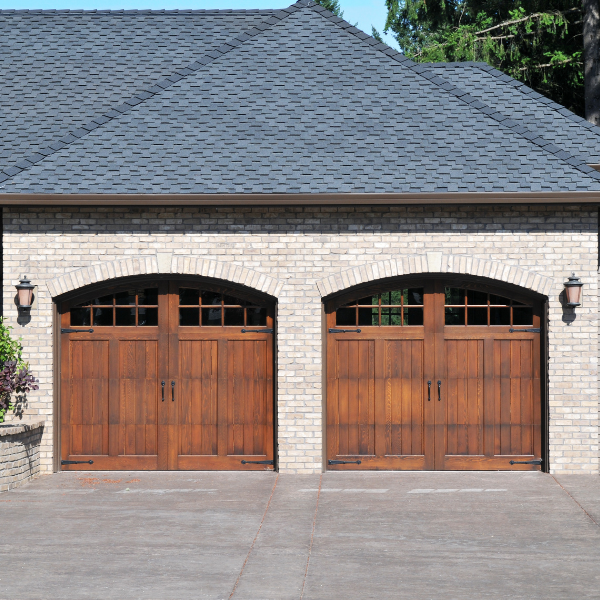
When the door rattles, groans, or hesitates while the heat is already creeping in, it feels like the house is pushing back before the day even starts.
That clatter in the garage is not random, and it is not just part of getting older. When the door rattles, groans, or hesitates while the heat is already creeping in, it feels like the house is pushing back before the day even starts.
Most homeowners do not seek garage door repair out of curiosity. They search because something feels off. The door wakes people up. The garage feels hotter every year. Leaving the house takes longer than it should. In Arizona, those annoyances stop being background noise fast. Heat has a way of dragging quiet problems into the spotlight and turning them into daily frustrations that are hard to ignore.
Why Arizona Heat Makes Garage Door Problems Impossible to Ignore
Arizona heat accelerates wear in ways many homeowners underestimate. Metal expands earlier in the day and stays expanded longer. Rollers dry out faster. Springs sit under constant tension while baking in triple-digit temperatures. A garage door system that feels fine during cooler months starts showing strain as soon as summer settles in.
Homeowners often assume these changes are temporary or weather-related. The door works again later in the evening, so the issue feels minor. In reality, heat exposes alignment issues, worn hardware, and weakened materials that have been building for years. Garage door repair becomes more common in Arizona summers because the environment pushes aging systems past their comfort zone. Ignoring the signs only allows that stress to keep compounding until the door becomes unreliable during the busiest parts of the day.
Why Does My Garage Door Sound Worse Every Summer?
Why does my garage door sound worse every summer is a question heard constantly once temperatures climb. Noise increases because friction increases. Rollers that were already worn start binding. Tracks that were slightly misaligned flex under heat. Hinges shift just enough to cause popping or grinding sounds.
Noise is rarely just an annoyance. It is a warning. Each sound indicates uneven movement or stress within the system. In Arizona, that stress builds more quickly because heat erodes the margin of error that older doors rely on. Garage door repair focused on alignment, balance, and worn components quiets the system by correcting root causes rather than masking symptoms. Homeowners who ignore summer noise often end up dealing with broken springs or damaged tracks later, when the repair becomes more urgent and disruptive.
The Morning Garage Door Battle That Wrecks Your Routine
Mornings are when garage door issues feel most personal. Cars are lined up. Schedules are tight. The garage door hesitates, shakes, or refuses to cooperate. The noise echoes through the house while everyone is still half asleep. That frustration sticks with homeowners because it disrupts the rhythm of daily life.
In Arizona, garages rarely cool off overnight. By morning, the door system is already warm and under stress. Springs have not relaxed. Tracks remain expanded. That is why problems show up first thing in the day. Homeowners adapt by leaving earlier, parking outside, or avoiding the garage altogether. Those workarounds feel small, but they add daily inconvenience that piles up over an entire summer. Garage door repair restores reliability, so routines no longer revolve around the door.
The Common Mistake Of Thinking Slow Movement Is Normal
A slow garage door often gets brushed off as age. Homeowners assume older doors just move that way. In reality, slow movement usually signals imbalance or resistance. Springs lose tension over time. Rollers flatten. Tracks drift out of alignment. The opener compensates until it cannot.
Heat magnifies every bit of resistance in the system. What felt acceptable in spring becomes painfully slow by July. Homeowners often try adjusting opener settings to force faster movement, which only increases strain rather than solving the problem. Garage door repair addresses balance so the door moves smoothly without forcing components beyond their limits. Ignoring slow movement allows wear to accelerate until something fails outright, often during peak summer heat.
Why Garage Door Repair Gets Put Off Until It Becomes Urgent
Garage door repair rarely feels urgent until it suddenly is. The door still opens. The noise is tolerable. Summer schedules are already busy. Arizona homeowners often delay repairs because problems feel manageable day to day. Unfortunately, heat does not pause wear while homeowners wait.
Small issues feed larger ones. Misalignment wears rollers faster. Worn rollers stress tracks. Stressed tracks strain openers. By the time the door stops working, the repair scope has grown. Emergency calls occur on the hottest days, when garages are unbearable, and schedules are least flexible. Addressing problems early keeps repairs predictable and avoids the chaos of sudden breakdowns during extreme temperatures.
The Hidden Heat Flow Between Garage And House
Garages act like thermal gateways in Arizona homes. When a garage door lacks proper sealing or structural integrity, heat floods in and lingers. That heat does not stay isolated. Shared walls and ceilings allow it to creep into living spaces, forcing cooling systems to work harder.
Homeowners notice rising energy bills and uneven indoor temperatures without realizing the garage door plays a role. Gaps along the door perimeter and aging panels allow heat to intrude, adding up over time. Garage door repair often includes restoring seals and correcting panel alignment, reducing heat transfer, and improving comfort. The change feels subtle at first, then obvious once the garage stops radiating heat into the house every afternoon.
Why DIY Fixes Often Backfire In Arizona
Quick fixes feel appealing when the garage door starts acting up. Lubricating parts or tightening bolts seems harmless. In the Arizona heat, those fixes can make problems worse. Garage doors operate as balanced systems. Changing one element without understanding load distribution shifts stress elsewhere.
Over-lubrication attracts dust and grit. Over-tightened hardware restricts movement. Adjusting springs without proper tools creates an imbalance. Those shortcuts may quiet the door briefly but increase wear long term. Professional garage door repair focuses on restoring balance and alignment rather than forcing components to behave. In a climate that punishes mistakes, proper repair protects the system instead of accelerating failure.
How Sun Exposure Speeds Up Garage Door Aging
Arizona sun breaks down materials faster than many homeowners expect. UV exposure fades finishes, dries seals, and weakens composite materials. Older garage doors lack the protective coatings found in newer designs, leading to warping and cracking over time.
Those changes often start as cosmetic issues homeowners ignore. Under heat stress, weakened materials flex differently, throwing off alignment. Panels rub. Seals fail. Garage door repair professionals see sun damage turn minor issues into major failures once summer heat peaks. Addressing aging materials early extends system life and prevents sudden breakdowns when temperatures are highest.
Why Garage Door Springs Fail When You Need Them Most
Why do garage door springs break in summer? It's a common homeowner question during heat waves. Springs operate under constant tension, and heat accelerates metal fatigue. In Arizona, that fatigue builds faster, especially in older systems.
Spring failure feels abrupt and disruptive. The door slams shut or refuses to open entirely. Homeowners are stuck dealing with heavy doors during extreme heat. Garage door repair that includes spring inspection and timely replacement prevents those emergencies. Waiting until a spring breaks often causes secondary damage, adding cost and inconvenience at the worst possible time.
The Daily Frustration That Slowly Becomes Normal
Garage door problems sneak into daily life. Homeowners stop noticing how often the door irritates them because it becomes routine. Noise in the morning. Heat in the garage. Delays getting out of the house. Those frustrations feel minor individually, but add up over months of summer heat.
Arizona homeowners often accept these issues as part of living in the climate. Garage door repair changes that mindset by restoring smooth, quiet operation. The relief shows up in small ways. Mornings feel calmer. Garages feel usable again. The house stops fighting back at the start of each day.
Why Experience Matters With Arizona Garage Doors
Garage doors fail in predictable ways under Arizona conditions. Professionals who work locally see the same patterns repeat every summer. They recognize which symptoms point to bigger issues and which repairs will hold up under heat stress.
Companies like Phoenician Garage Doors build their approach around real Arizona wear patterns rather than generic fixes. Garage door repair guided by experience prioritizes durability and long-term performance over temporary relief. Homeowners benefit from repairs that anticipate future stress rather than react after failure.
FAQs
Why does my garage door get louder as it gets hotter?
Heat causes metal components to expand and increases friction in worn parts. Rollers, tracks, and hinges amplify noise when misaligned. Garage door repair corrects those issues so that the heat has less impact on the operation and keeps movement smoother.
Can garage door repair help lower my energy bills?
Yes. Repairing seals, alignment, and panel issues reduces heat intrusion into the garage and adjacent rooms. Less heat transfer means cooling systems do not work as hard during Arizona summers, improving overall energy efficiency.
Is a slow garage door a safety issue?
Slow movement often signals imbalance or worn springs. That imbalance increases the risk of sudden failure. Garage door repair restores proper balance and reduces strain on components, helping maintain safe operation.
Why do garage door problems always show up in summer?
Arizona heat magnifies the wear that exists year-round. Components already near their limits fail faster under sustained high temperatures, making summer the most common time for issues to surface and require attention.
How often should garage doors be inspected in Arizona?
Annual inspections help catch wear before summer heat accelerates damage. Regular garage door repair prevents emergency breakdowns and keeps systems reliable throughout the hottest months.
Phoenician Garage Door & Repair is a garage door repair and service company serving Phoenix, AZ, and surrounding areas. Whether you need off-track garage door repair or garage door panel repair and replacement, our team is committed to providing lasting solutions. Our highly trained professionals have the knowledge, tools, and experience to resolve any garage door issue. We are licensed, bonded, and insured, and open 24-hours. Call us.
