
Replacing a Garage Door in Arizona Becomes Obvious Eventually
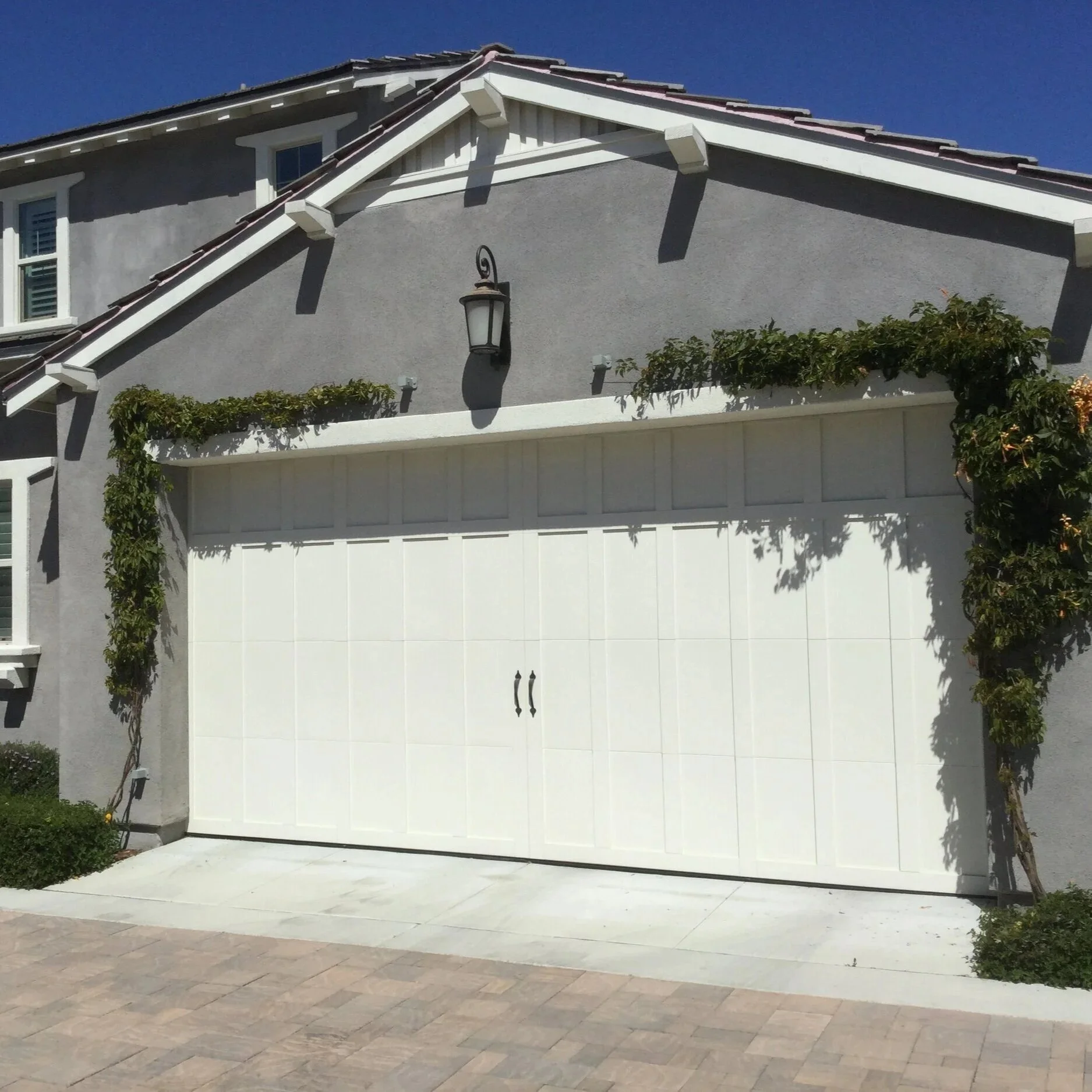
Add Arizona heat pouring in as the door hesitates, shakes, or slams, and suddenly every summer morning feels like a fight with the house rather than a routine.
Why Your Old Garage Door Wrecks Arizona Summer Mornings
That grinding screech at six a.m. when the garage door crawls open already ruins the day. Add Arizona heat pouring in as the door hesitates, shakes, or slams, and suddenly every summer morning feels like a fight with the house rather than a routine.
Most homeowners do not start out thinking their garage door is the problem. The frustration usually sneaks in quietly through small daily moments. The door takes longer to open. The motor sounds louder. The garage feels hotter even when it is barely morning. Over time, those small annoyances stack up into something that affects sleep, schedules, and even how comfortable the rest of the house feels. In Arizona, where summer heat does not ease up overnight, an aging garage door becomes more than an inconvenience. It becomes a constant source of wasted energy, noise, and irritation that homeowners put up with far longer than they should.
Why Garage Doors Feel Worse In Arizona Summers
Arizona summers expose weaknesses that older garage doors can hide for years. Extreme heat expands metal tracks, dries out rollers, and breaks down insulation that once slowed heat transfer into the garage. When a garage door was installed decades ago, it was not designed to handle today's sustained temperatures or the way modern households use their garages multiple times a day. The door might still open and close, but performance quietly degrades in ways homeowners feel every morning.
Heat causes worn components to bind and flex unevenly. Springs lose tension faster. Panels warp just enough to rub against the track. Openers strain harder against added resistance, which explains the rattling and hesitation people hear early in the day. Homeowners often assume the opener is failing, but the door itself is usually the underlying issue. In many Arizona homes, the garage shares walls with bedrooms or living areas, so that extra noise and vibration travels straight into the house. Summer mornings amplify the problem because materials haven't cooled overnight, leaving the door sluggish and loud just as people are leaving for work.
The Hidden Heat Trap Sitting Between Your Garage And House
Garages in Arizona act like heat reservoirs, especially when paired with older garage doors that lack proper insulation. Once heat floods into the garage, it does not stay isolated. Shared walls, ceilings, and doorways allow that heat to seep into adjacent rooms. Homeowners often notice bedrooms over the garage warming faster or air conditioning systems running longer in the morning without realizing the garage door plays a role.
Older doors commonly rely on thin panels with little resistance to radiant heat. Gaps around the perimeter grow as weather seals harden and crack. That combination turns the garage into an oven before breakfast. Each time the door opens, a wave of hot air rushes in and lingers. Over time, rising energy bills and uneven indoor temperatures become the norm, even though they stem from a component homeowners rarely consider upgrading. New installations address insulation, sealing, and structural integrity in ways older doors simply cannot match, especially under Arizona sun exposure.
The Common Mistake Of Assuming Old Means Good Enough
One of the most common homeowner assumptions is that if a garage door still moves, it is still doing its job. That mindset keeps many Arizona homeowners stuck with doors that actively work against comfort and efficiency. Garage doors are often overlooked during home improvements because they feel separate from the rest of the house. In reality, they function as one of the largest moving walls connected to the home.
Older garage doors lack the design improvements that reduce heat gain, noise, and wear on mechanical parts. Many were installed before insulated doors became standard for residential properties. Others were chosen as budget options that made sense at the time, but no longer hold up under current conditions. Homeowners tell themselves replacement can wait because repairs seem cheaper in the short term. Over years of summer stress, repeated adjustments, part replacements, and rising energy costs quietly add up. New installations often become inevitable only after homeowners realize they have been paying for discomfort all along.
Why Summer Mornings Expose Door Problems First
Garage door issues almost always announce themselves in the morning. That is when households move vehicles, take out trash, or start daily routines. In Arizona, the early morning heat already strains mechanical systems. When an older garage door struggles, homeowners hear it immediately through grinding rollers, popping panels, or a delayed response from the opener.
Morning failures also feel more personal. Being late for work because the garage door refuses to cooperate creates instant stress. Waking family members due to noise adds another layer of frustration. Over time, homeowners adjust their habits to avoid dealing with the door, parking outside, leaving earlier than necessary, or avoiding the garage altogether. Those workarounds become part of daily life, masking how much the door has failed its purpose. Arizona summers remove that illusion by making every flaw louder, hotter, and harder to ignore.
How Aging Hardware Turns Minor Wear Into Daily Irritation
Garage door hardware wears gradually, which is why many homeowners underestimate its impact. Rollers flatten, hinges loosen, and tracks shift out of alignment by fractions of an inch. In mild climates, those changes may go unnoticed. In the Arizona heat, they multiply. Friction increases. Metal expands unevenly. Motors work harder to overcome resistance.
That extra strain shows up as noise, vibration, and inconsistent movement. Homeowners often attempt quick fixes like lubricating parts or adjusting opener settings. Those steps may provide temporary relief, but do not address the deeper issue of a door system past its intended lifespan. New installations replace not just the door panels but the supporting hardware designed to function together under extreme conditions. Ignoring worn components allows small problems to compound until the entire system feels unreliable during the worst time of year.
The False Economy Of Delaying Replacement
Many homeowners delay replacing an old garage door because repairs appear cheaper upfront. A new spring here or a service call there feels manageable. Over time, repeated repairs turn into a cycle of spending without improvement. Each fix restores basic function but leaves insulation, noise control, and structural integrity unchanged. Arizona summers accelerate that cycle because heat exposes the limits of aging systems faster than expected.
Energy loss, inconvenience, and daily frustration carry real costs even if they do not appear on an invoice. Lost sleep, rushed mornings, and higher utility bills all stem from a garage door that no longer fits its environment. New installations address those problems at their source rather than patching symptoms. Homeowners often regret waiting so long once they experience quieter operation, cooler garages, and smoother mornings.
What Modern Garage Door Designs Actually Fix
Modern garage doors solve problems that older doors were never built to handle, especially in Arizona. Improved panel construction reduces heat transfer instead of acting like a giant radiator. Tighter tolerances between sections reduce vibration and rattling. Updated track systems account for expansion caused by high temperatures, which helps doors move smoothly even during prolonged heat waves. These changes do not feel flashy, but homeowners notice them immediately during daily use.
New installations also address how the garage connects to the rest of the house. Better sealing along the perimeter limits hot-air intrusion and keeps dust out, which matters during the Arizona monsoon season. Insulated cores dampen sound, so early morning departures do not echo through bedrooms or living spaces. Hardware is designed as a system rather than a collection of parts replaced over decades. That integrated approach reduces strain on openers and extends overall lifespan. Homeowners often realize how much frustration they've come to accept when they experience a garage door that opens quietly, quickly, and without resistance in the middle of summer.
Why "It's Just The Garage" Thinking Backfires Over Time
Homeowners often downplay garage issues by telling themselves the space is unfinished or separate from the rest of the home. That assumption ignores how garages function as transitional spaces between the outdoors and the indoors. In Arizona, garages absorb extreme heat and act as pressure points against the home's envelope. An outdated garage door magnifies that effect, allowing heat and noise to travel freely.
Over time, the rest of the house compensates. Air conditioning systems work harder to offset heat gain. Interior doors close more often to block noise. Storage items degrade faster due to temperature swings. Homeowners accept these changes as part of summer living without realizing a major contributor sits at the front of the house. Addressing the garage door reframes the problem. Instead of chasing comfort issues room by room, new installations stabilize one of the largest variables affecting daily comfort and energy use.
How Arizona Sun Exposure Accelerates Door Aging
Arizona sun exposure ages garage doors faster than many homeowners expect. Constant UV exposure breaks down finishes, dries seals, and weakens materials over time. Older doors lack the protective coatings common in newer designs, leading to fading, cracking, and warping. Those cosmetic issues often signal deeper structural problems that affect performance.
As materials degrade, alignment suffers. Panels flex differently, causing uneven movement along the track. Springs compensate until they can no longer, leading to sudden failures that disrupt routines. Homeowners often blame bad luck or timing when a spring snaps during summer, but the process builds gradually under intense sun exposure. New installations incorporate materials and finishes designed to withstand UV damage, slowing aging and maintaining performance through multiple seasons. That resilience matters when summer heat dominates most of the year.
FAQs
Why does my garage door sound louder during Arizona summers?
Heat causes metal components to expand, increasing friction and misalignment. Older doors amplify these effects due to worn rollers, loose hardware, and a lack of vibration dampening. The result is louder operation, especially in the morning when temperatures remain high overnight.
Can an old garage door really affect indoor temperatures?
Yes. Garages act as heat buffers, and outdated doors allow heat to build up and transfer into adjacent rooms. Poor insulation and deteriorated seals contribute to higher indoor temperatures and increased air conditioning use during Arizona summers.
Why do garage door springs seem to fail more often in summer?
High temperatures accelerate metal fatigue and reduce spring lifespan. Springs already under tension fail more easily when heat adds stress. Many summer failures stem from long-term wear rather than sudden defects.
Are repairs enough to fix an aging garage door?
Repairs restore basic function but do not address insulation, noise control, or overall efficiency. Over time, repeated repairs often cost more than replacement while leaving daily frustrations unchanged.
When should homeowners consider new installations instead of repairs?
New installations make sense when noise, heat intrusion, and repeated repairs affect daily routines. In Arizona, proactive replacement before peak summer heat prevents emergencies and improves long-term comfort.
Phoenician Garage Door & Repair offers new garage door installation, commercial garage door installation, and garage door replacementin Phoenix, AZ, and the surrounding areas. Emergency service available. We are licensed, bonded, and insured, and our team takes pride in providing the highest quality workmanship. Count on us to help you find the perfect garage door and ensure its professional installation. Call us to learn more.
