
Why Fixing a Garage Door Now Saves on Costly Energy Bills Later
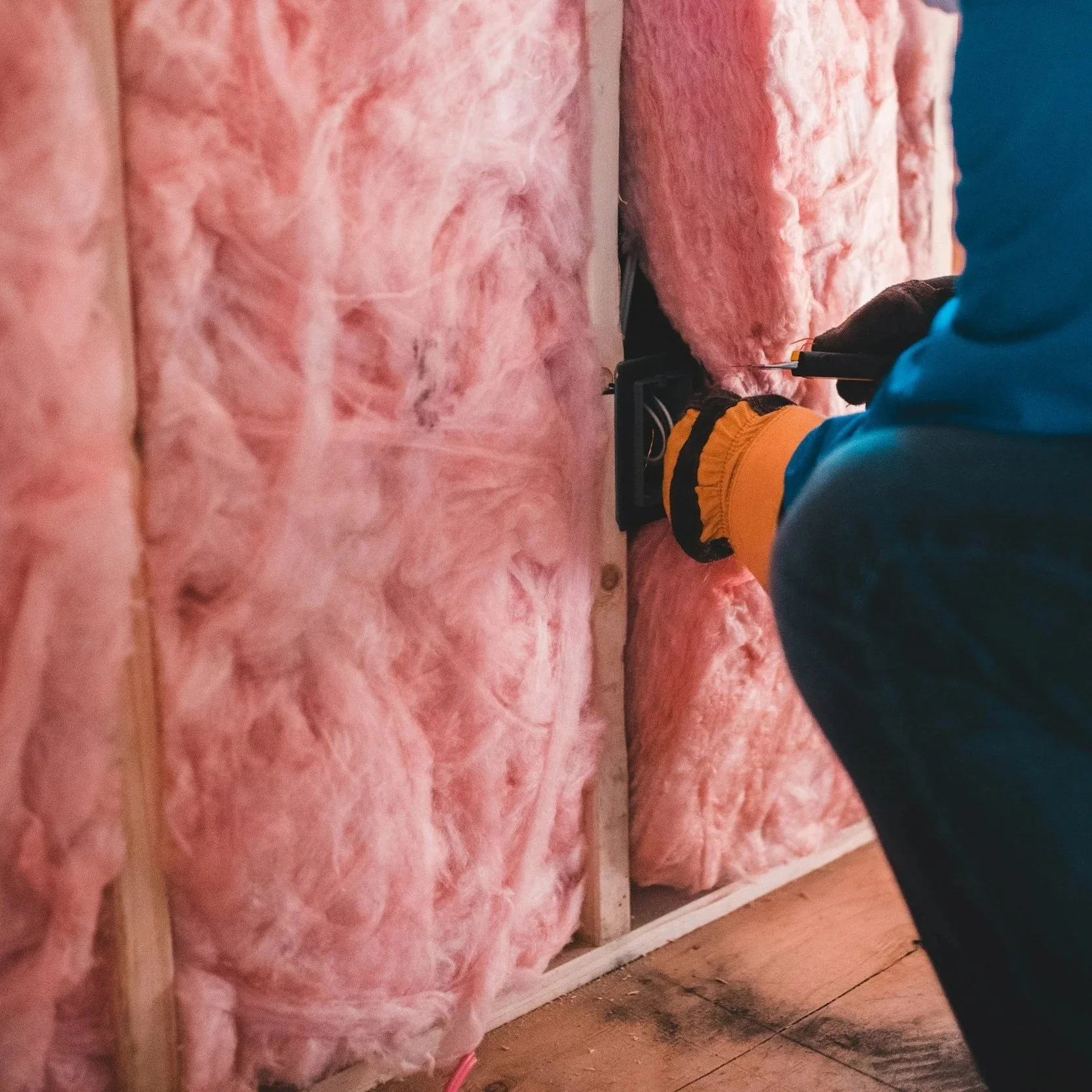
It's easy to overlook how a garage door affects your utility bills, but in reality, a faulty or outdated system can lead to higher energy costs.
A malfunctioning garage door might seem like a small inconvenience, but it could be costing you much more than you think. If the door isn't properly sealed, insulated, or functioning at its best, it can directly affect your home's energy efficiency. It's easy to overlook how a garage door affects your utility bills, but in reality, a faulty or outdated system can lead to higher energy costs. By addressing issues now, you can save money in the long run and improve the comfort of your home.
Keeping the Elements Outside
Your garage door is much more than a barrier to keep your car and belongings secure; it's also a line of defense against the weather. Whether it's summer heat, winter cold, or rain, a well-maintained garage door keeps the elements at bay. A garage door that doesn't seal properly or has gaps along the edges allows air to flow freely in and out. This can cause your home's heating and cooling systems to work harder to maintain a comfortable temperature, resulting in higher monthly energy bills. When you repair or replace a malfunctioning door, you prevent drafts and keep your garage—and home—better insulated. It's one of the easiest ways to improve energy efficiency without much effort.
Improving Insulation Efficiency
Garage doors can be surprisingly effective at insulating your home, especially when equipped with the right materials. If your door is old, poorly insulated, or has cracks or damage, you're essentially letting air escape, leading to energy loss. Proper insulation in the garage door helps regulate the temperature inside the garage, keeping the warmth in during winter and the cool air in during summer. This means your HVAC system won't have to work overtime to compensate for lost energy, ultimately lowering your energy costs.
Modern, insulated garage doors are specifically designed to create a thermal barrier that prevents heat or cold from entering the garage. When you upgrade to a high-quality, insulated door, you can make a noticeable difference in your energy bills. Plus, many modern doors are made with materials that provide better insulation than older models, so an upgrade isn't just a fix—it's an investment in future savings.
Improving Energy Efficiency with Better Seals
Even a garage door that looks like it's in good shape can harbor hidden problems. Often, the door seals become brittle or worn over time. These seals are crucial in blocking air from getting through the edges of the door. If the seals aren't working, your garage could be leaking air, and you might not even realize it. Old, damaged seals can cause drafts, making your home less energy-efficient. Replacing seals or repairing minor door issues can improve insulation, helping maintain a more consistent indoor temperature and keeping energy costs in check.
Preventing Temperature Fluctuations
A common issue with malfunctioning garage doors is their inability to maintain a stable interior temperature. An uninsulated or poorly sealed garage door can cause temperature fluctuations inside the garage, which can then affect the rooms above or adjacent to it. In winter, cold air can seep in, making rooms feel chillier. Similarly, in the summer, hot air can make the garage unbearably warm, straining your air conditioning system. If the door is not properly sealed, you'll likely notice that your home's temperature regulation system has to work much harder to keep your space comfortable, resulting in higher energy consumption and costs. Regular maintenance and timely repairs on your garage door can prevent these unwanted temperature fluctuations.
Avoiding Bigger Problems Down the Road
When a garage door malfunctions or fails to work properly, many homeowners will ignore the problem until it becomes a bigger issue. However, delaying repairs can lead to greater damage and higher repair costs. For example, a small crack in the door seal could eventually grow into a larger problem that compromises the door's structural integrity. Likewise, a broken spring or worn-out opener could result in more extensive damage to the door itself. By addressing small issues early, you avoid the potential for larger, more costly repairs later. Investing in timely garage door maintenance or a new installation could save you from costly repairs down the line, including those that affect your home's energy efficiency.
Long-Term Savings on Energy Bills
Upgrading to a more energy-efficient garage door or simply performing essential maintenance can provide long-term savings on your utility bills. The cost of fixing or replacing a garage door now may seem like an expense, but when you consider the long-term benefits, it's an investment that pays off. Proper insulation, weather stripping, and seals can drastically reduce the amount of heat and air conditioning lost through your garage. Over time, savings on energy bills could offset the cost of repairs or replacements, leaving you with a more comfortable home and a fatter wallet.
A More Comfortable Garage Space
Beyond saving on energy costs, addressing garage door issues can create a more comfortable space overall. If you use your garage for more than just parking—like a workshop, gym, or storage area—make sure the door is properly insulated to keep the temperature stable. Improving the comfort of your garage could also make it a more pleasant space to work or spend time in, a bonus you might not have expected. When the garage is properly sealed and insulated, it's easier to keep the temperature at a manageable level year-round, making it more enjoyable to use as an extra living or work area.
A Small Step for Big Savings
While a garage door repair might seem like a small task compared to other home improvement projects, it can have a substantial impact on your energy bills. Properly sealing and insulating your garage door means your heating and cooling systems won't have to fight the elements. Whether it's a simple repair or a full replacement, acting now could save you big in the future. With the added benefits of improved comfort and security, repairing or upgrading your garage door is an easy way to boost your home's energy efficiency and keep your costs low.
Fixing a malfunctioning garage door is a proactive step toward saving on energy bills. By addressing small issues before they turn into bigger problems, you can keep your garage—and your home—efficient, comfortable, and cost-effective for years to come.
Phoenician Garage Door & Repair is a garage door repair and service company serving Phoenix, AZ, and surrounding areas. Whether you need off-track garage door repair or garage door panel repair and replacement, our team is committed to providing lasting solutions. Our highly trained professionals have the knowledge, tools, and experience to resolve any garage door issue. We are licensed, bonded, and insured, and open 24-hours. Call us.
