
The Most Common Garage Door Problems and How the Experts Fix Them
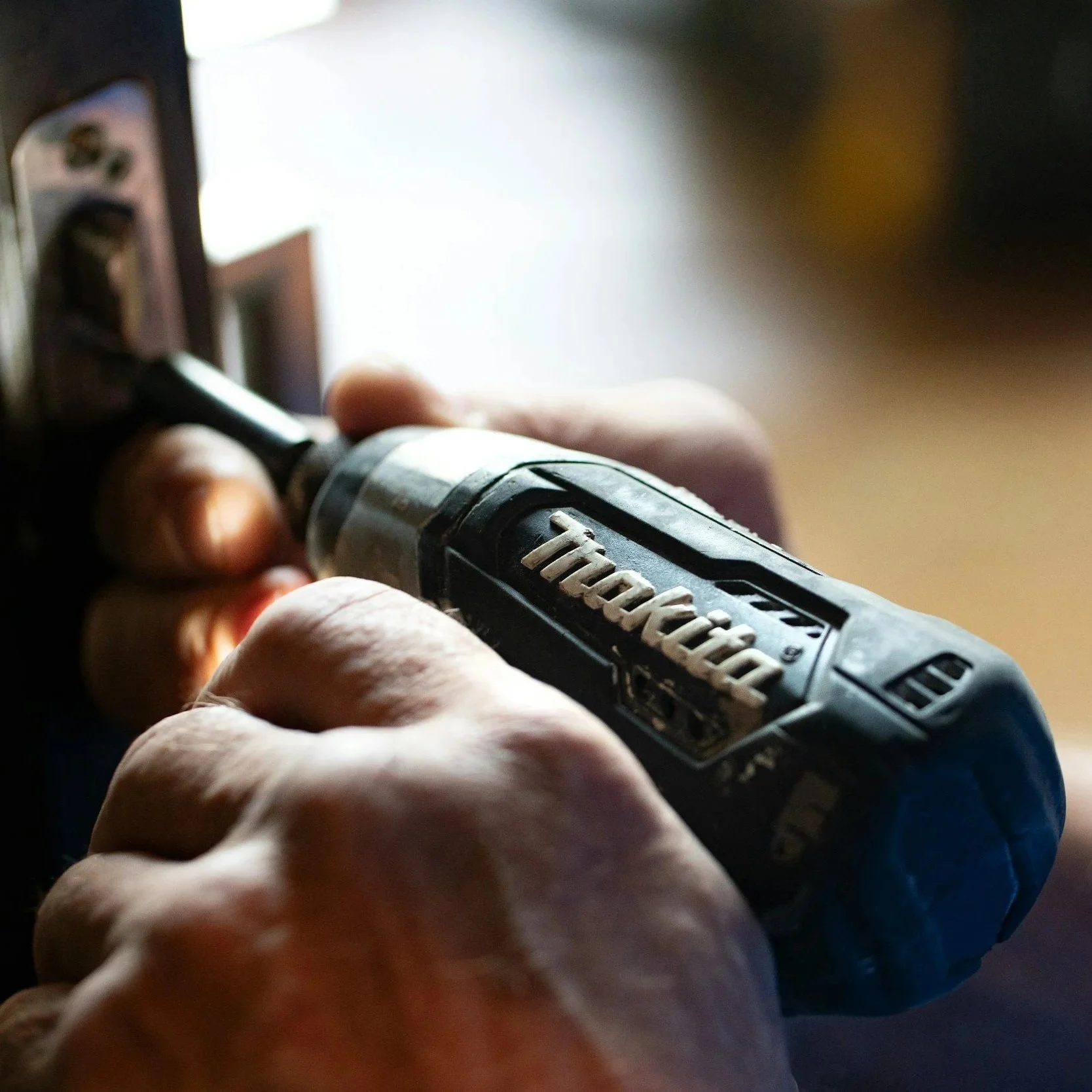
While many of these issues might seem daunting at first, experts are well-equipped to diagnose and resolve them quickly and efficiently.
A garage door is one of the most reliable and hardworking features of your home. It opens and closes multiple times a day, often without a second thought. But just like any other mechanical system, it can encounter problems from time to time. When things go wrong, it can disrupt your daily routine and leave you dealing with a garage that refuses to open or close. While many of these issues might seem daunting at first, experts are well-equipped to diagnose and resolve them quickly and efficiently. Let's explore some of the most common garage door problems and how professionals can fix them.
Garage Door Won't Open or Close
One of the most frustrating issues is a garage door that refuses to open or close. You press the button, and nothing happens—no whirring motor, no movement. This can stem from several causes. First, it could be an issue with the remote or the wall switch. If the batteries in the remote are dead or the wall switch is malfunctioning, you might think the door is stuck.
Another potential cause could be a power failure. If the garage door opener isn't receiving power, the door won't operate. But, if the power is fine and the opener still doesn't work, a broken motor or a malfunctioning circuit board might be the culprit. Experts will begin by checking the power supply and the remote, then test the motor and the logic board. If necessary, they can replace the faulty components and get your garage door working again.
Broken Springs
Garage doors rely on heavy-duty springs to lift and lower the door smoothly. These springs are under immense tension, and over time, they can wear out or break. A broken spring will make your garage door feel heavy, or it may prevent it from moving altogether. Trying to open or close the door with a broken spring can be dangerous, as the door could slam shut unexpectedly.
Garage door professionals have the right tools and training to replace broken springs safely. They'll remove the old spring, install a new one, and make sure it's properly tensioned to support the door's weight. Attempting to replace a spring yourself is not recommended, as it can lead to injury if the spring is not handled correctly.
Misaligned Tracks
Garage door tracks guide the door as it moves up and down. If the tracks become misaligned, the door will either get stuck or not open properly. Misalignment can occur due to wear, physical damage, or debris buildup in the tracks. When this happens, the door may make a grinding noise or even jump off the tracks entirely.
Professional repair technicians will inspect the tracks for any damage and check their alignment. They'll use a level to make sure the tracks are vertical and parallel, then carefully adjust them to avoid further issues. If any part of the track is severely damaged, it may need to be replaced. Once everything is back in place, the door will glide smoothly again.
Worn-Out Rollers
The rollers are the small wheels that help the garage door move along its tracks. Over time, these rollers can wear out or become damaged, causing the door to make noise or get stuck. If your garage door makes a loud screeching or grinding sound as it moves, the rollers could be the culprit. Worn-out rollers can also put extra stress on the motor, leading to potential breakdowns.
Technicians will inspect the rollers for wear and replace any that are no longer functioning properly. Using high-quality, durable rollers can extend the lifespan of the garage door and minimize future issues. Professional repair experts can even upgrade to quieter ball-bearing rollers, which reduce noise and improve the door's overall functionality.
Faulty Sensors
Modern garage doors are equipped with safety sensors located near the bottom of the door. These sensors detect any obstacles in the door's path, preventing the door from closing on them. If one or both sensors become misaligned, dirty, or faulty, the door may not close properly. You'll often see the garage door start to close, only to reverse halfway down.
A garage door technician will check both sensors to ensure they are properly aligned. They will clean the sensors to remove any dirt or debris that could be obstructing their function. If the sensors are still malfunctioning after cleaning and realignment, they may need to be replaced with new, more reliable units.
Damaged or Deteriorated Weatherstripping
Weatherstripping is a strip of rubber or vinyl located along the bottom of the garage door. It serves the important purpose of sealing the gap between the door and the ground, keeping out dirt, debris, and weather elements. Over time, the weatherstripping can crack, tear, or deteriorate, allowing drafts and moisture to enter the garage.
Replacing the weatherstripping is a relatively simple repair that helps improve the door's insulation. Professionals will remove the old, worn weatherstripping and replace it with new material that provides a tight seal. This not only improves the garage's energy efficiency but also helps maintain a cleaner, more comfortable environment.
Noisy Garage Door
A noisy garage door can be annoying, especially if it opens and closes multiple times a day. The sound may come from worn parts, such as rollers or springs, or from insufficient lubrication in the door's moving parts. A loud garage door may also indicate that it needs some general maintenance.
A professional will lubricate all moving parts, check for worn components, and replace them if necessary. Regular maintenance and lubrication can keep your garage door running quietly and smoothly for years, preventing further wear on the system.
Preventative Maintenance
One of the best ways to avoid major garage door problems is by scheduling regular inspections and maintenance. A professional technician can assess your garage door, lubricate the moving parts, check the springs, and tighten any loose bolts. By performing these tasks regularly, small issues can be identified and addressed before they turn into costly repairs.
In Conclusion
Garage doors are essential to your home's functionality, and when something goes wrong, it can disrupt your routine. From broken springs to misaligned tracks, the problems can vary, but experts are always available to diagnose and fix the issue. With professional repair services, your garage door will be back to working condition quickly and efficiently, saving you time and stress. Regular maintenance is the key to preventing problems before they start and keeping your garage door running smoothly for years to come.
Phoenician Garage Door & Repair is a garage door repair and service company serving Phoenix, AZ, and surrounding areas. Whether you need off-track garage door repair or garage door panel repair and replacement, our team is committed to providing lasting solutions. Our highly trained professionals have the knowledge, tools, and experience to resolve any garage door issue. We are licensed, bonded, and insured, and open 24-hours. Call us.
