
Problem with the Garage Door Closing?
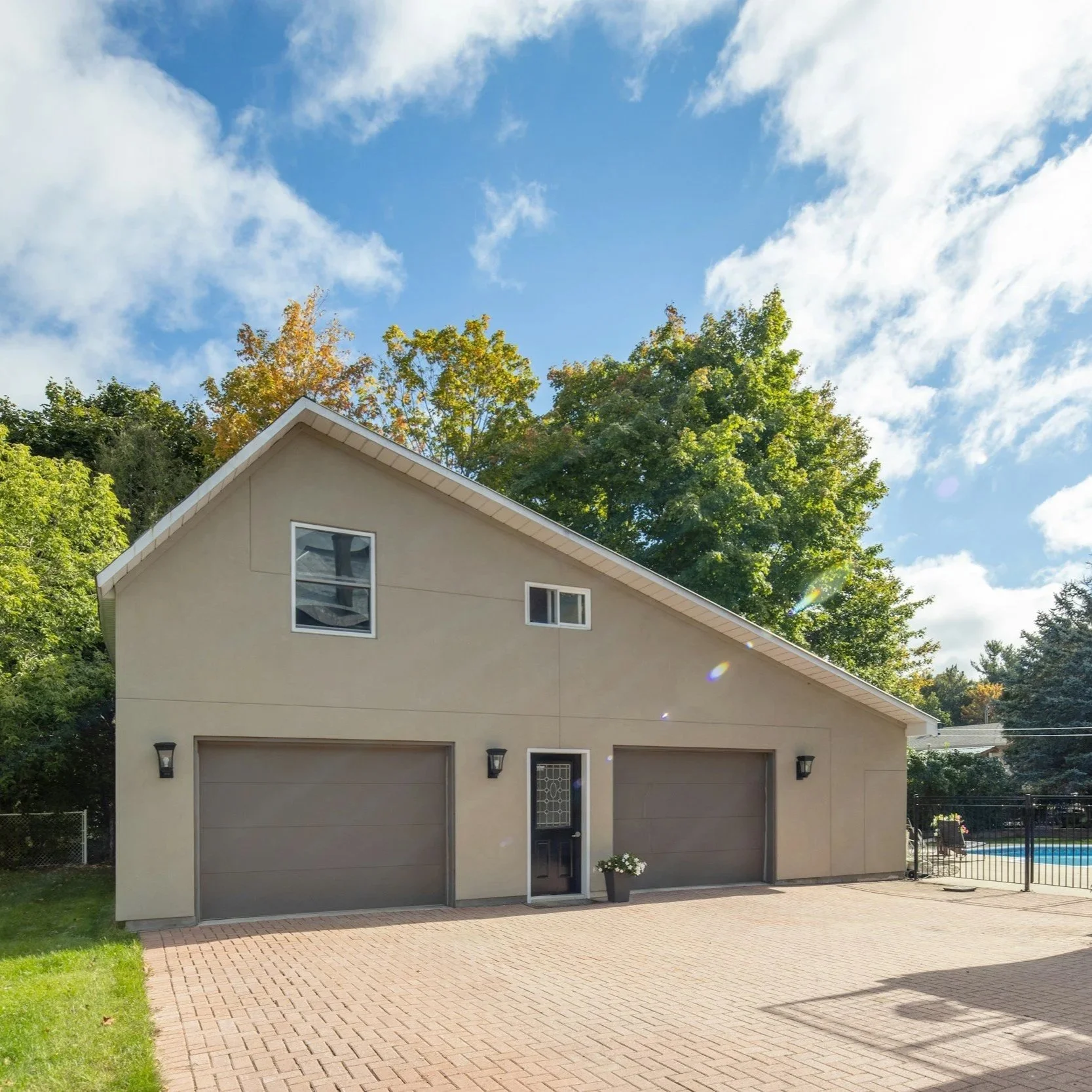
In Phoenix, Arizona, where garage doors are used daily and experience extreme temperature fluctuations, routine maintenance and timely troubleshooting are essential for smooth, reliable operation.
Few things are more frustrating than walking out of your home only to find your garage door refuses to close. Whether it stops partway, reverses unexpectedly, or won’t budge at all, a garage door that won’t close can compromise your home’s security, expose valuables to the elements, and disrupt your day. Understanding the causes behind garage door closing problems and how to troubleshoot them can save you time, stress, and potentially costly repairs.
In Phoenix, Arizona, where garage doors are used daily and experience extreme temperature fluctuations, routine maintenance and timely troubleshooting are essential for smooth, reliable operation. In this guide, you’ll learn how to diagnose common issues, test safety features, and know when to call a professional to resolve garage door closing problems safely.
Why Your Garage Door Might Not Close
Garage doors are complex mechanical systems with many moving parts that must work together in perfect harmony. When a component fails or becomes misaligned, the entire system can malfunction. If your garage door will not close, it might be due to:
Safety sensors detecting an obstruction
Misaligned or dirty sensor lenses
Track issues or physical obstructions
Problems with the garage door opener
Broken springs or worn cables
Misconfigured travel limits
Electrical or remote control issues
Finding the underlying cause is the first step toward fixing the problem. Let’s walk through the most common reasons your garage door won’t close and how to address each one.
Check the Safety Sensors First
One of the most common reasons a garage door won’t close is a safety sensor issue. Modern garage doors include photo-eye sensors mounted near the bottom of the door opening. These sensors send an invisible beam across the doorway. If anything interrupts this beam — even slightly — the door will reverse and remain open to protect people, pets, and objects in its path.
To troubleshoot:
Check whether both sensor lights are illuminated.
Clean the sensor lenses to remove dust, spiderwebs, or other debris.
Make sure nothing blocks the sensors’ line of sight.
Verify sensors are aligned with each other and firmly mounted.
If sensors are even slightly out of alignment, they can prevent the door from closing. Adjust them until the indicator lights show steady alignment and retest the closing operation.
Inspect the Tracks for Obstructions or Damage
Garage door tracks give a path for the rollers and guide the door’s movement. If tracks are bent, dented, or blocked by objects, the door may stop mid-travel or refuse to close entirely.
Inspect both sides of the track:
Remove rocks, sticks, or debris from inside the tracks.
Look for bent sections or dents that catch rollers.
Verify garage floor debris is not impeding roller movement.
Slight bends in the track can sometimes be gently tapped back into alignment, but significant damage requires professional attention. Never attempt major track repairs yourself, as incorrect adjustments can leave the door unsafe.
Listen for Strange Noises from the Opener
Your garage door opener plays a central role in smoothly closing the door. If you hear unusual noises — grinding, humming, or repeated clicking — the opener may be failing or dealing with mechanical stress.
Common opener-related causes include:
Worn gears inside the opener unit
Issues with the drive belt or chain
Loose mounting brackets
A failing motor
If the opener sounds strained or behaves erratically, reset the system and test again. If problems persist, contacting a garage door technician is often the safest and most effective solution.
Test the Manual Release and Balance
Your garage door system includes a manual release cord, usually a red handle hanging from the opener rail. This emergency release allows you to disengage the door from the opener and operate it manually.
To test balance:
Disconnect the opener by pulling the manual release.
Lift the door halfway by hand.
Observe whether the door stays in place.
If a properly balanced door stays in place, the springs are doing their job. If the door falls or rises on its own, spring tension needs adjusting. Because springs are under extreme tension, adjusting or replacing them is dangerous for homeowners and should be done by professionals. Misadjusted springs can cause the door to slam unexpectedly or fail to open at all.
Evaluate Remote Controls and Wall Switches
Sometimes the issue isn’t with the door itself but with how you’re signaling it to close. Faulty remote controls or wall switches can prevent the door from receiving the “close” command.
Try these steps:
Replace batteries in all remotes.
Test the wall switch to see if the door responds.
Clear any nearby wireless interference from other devices.
Reprogram the remote to the opener if necessary.
If the door only works from the wall switch but not the remotes, the issue is likely with remote programming or signal transmission. If neither control triggers movement, the problem is likely mechanical or electrical.
Check Travel Limits and Force Settings
Garage door openers use travel limit settings to determine how far the door should move before stopping. If these limits are incorrectly set, the opener may think the door has reached the floor before it actually has, causing the door to reverse or stop prematurely.
Most openers have adjustable limit dials or buttons. Consult your opener’s manual or seek professional assistance to ensure proper travel limits are set. Incorrect force settings, which control how much resistance the door should tolerate before reversing, can also prevent closing. If set incorrectly, the opener may interpret normal resistance as an obstruction and reverse unexpectedly.
Look for Worn Rollers and Hinges
Rollers and hinges guide the door smoothly along its tracks. Over time, these parts can wear down, rust, or collect debris that impedes movement. When rollers bind or hinges chatter, the door may hesitate or fail to close.
Inspect rollers for:
Worn or flattened wheels
Cracks, rust, or corrosion
Loose roller brackets
Replacing worn rollers with high-quality nylon versions can dramatically improve performance and reduce noise. Do not attempt to remove or replace torsion springs yourself — but replacing rollers and hinges is a manageable task for many homeowners.
Address Weatherstripping and Floor Gaps
Sometimes the garage door appears not to close because weatherstripping or threshold seals are worn, cracked, or missing. While this doesn’t stop the door from reaching the floor, it can create drafts, allow pests or water entry, and make it feel like the door isn’t sealing properly.
Inspect the bottom seal and side weatherstripping:
Replace brittle or cracked seals
Install a new threshold if needed
Verify the door’s bottom edge makes firm contact with the floor
Proper sealing contributes to temperature control and energy efficiency while giving you confidence that the door is truly closed and secure.
When to Call a Garage Door Professional
Garage doors are deceptively heavy and complex. While many homeowners can perform basic troubleshooting, certain issues require professional tools and expertise. Contact a garage door technician when:
Springs or cables are damaged
The door is off-track
The opener makes loud grinding noises
Travel limits need adjustment
Safety sensors fail repeatedly
Your manual release won’t reengage properly
A trained technician can diagnose problems quickly, confirm repairs are safe, and restore smooth and secure garage door closing.
Preventive Maintenance to Avoid Future Closing Issues
Routine garage door maintenance helps prevent many of the problems that cause doors to fail to close. Include the following in your schedule:
• Monthly visual inspections of tracks, rollers, and sensors
• Lubrication of moving parts every season
• Testing safety sensors and automatic reverse features
• Checking and replacing remote batteries regularly
• Keeping tracks clean and free from debris
Addressing minor issues before they become failures keeps your garage door operating reliably and reduces the risk of inconvenient breakdowns.
Frequently Asked Questions About Garage Doors That Won’t Close
Why won’t my garage door close, but will open?
When a garage door opens but will not close, the issue is commonly related to safety sensors, track misalignment, or remote control signal problems. Cleaning the sensor lenses and checking their alignment are good first troubleshooting steps.
What should I do if the door reverses before touching the floor?
A door that reverses early usually points to misaligned safety sensors, incorrect force settings, or travel limit issues. These components often require careful adjustment or a professional inspection to restore proper operation.
Can the weather affect garage door closing?
Yes, extreme heat can affect garage door performance. In hot climates like Phoenix, metal components expand and lubricants dry out more quickly, making seasonal maintenance especially important.
Is it safe to manually close a stuck garage door?
Manually closing a garage door can be unsafe if the door is damaged, off track, or under uneven tension. Always assess the situation carefully, and contact a professional if there is any doubt.
Why does my garage door reverse randomly?
Random reversals are often caused by sensor obstructions, sensor misalignment, or resistance in the tracks from debris or worn components. Cleaning, inspection, and proper alignment usually resolve the issue.
How often should I test my safety sensors?
Safety sensors should be tested monthly and after significant temperature changes. A quick visual check and test closure help confirm they are functioning correctly.
When should I replace my garage door opener?
If your garage door opener is more than ten years old, excessively noisy, or repeatedly fails to close the door properly, upgrading to a newer model can improve safety, reliability, and performance.
Phoenician Garage Door & Repair specializes in efficiently accomplishing all garage door jobs, from garage door drum replacement and garage door spring replacement to garage door cable repair and replacement. We offer easy online scheduling. Call (602) 610-0112.
