
Installation: Garage Door Weatherstripping
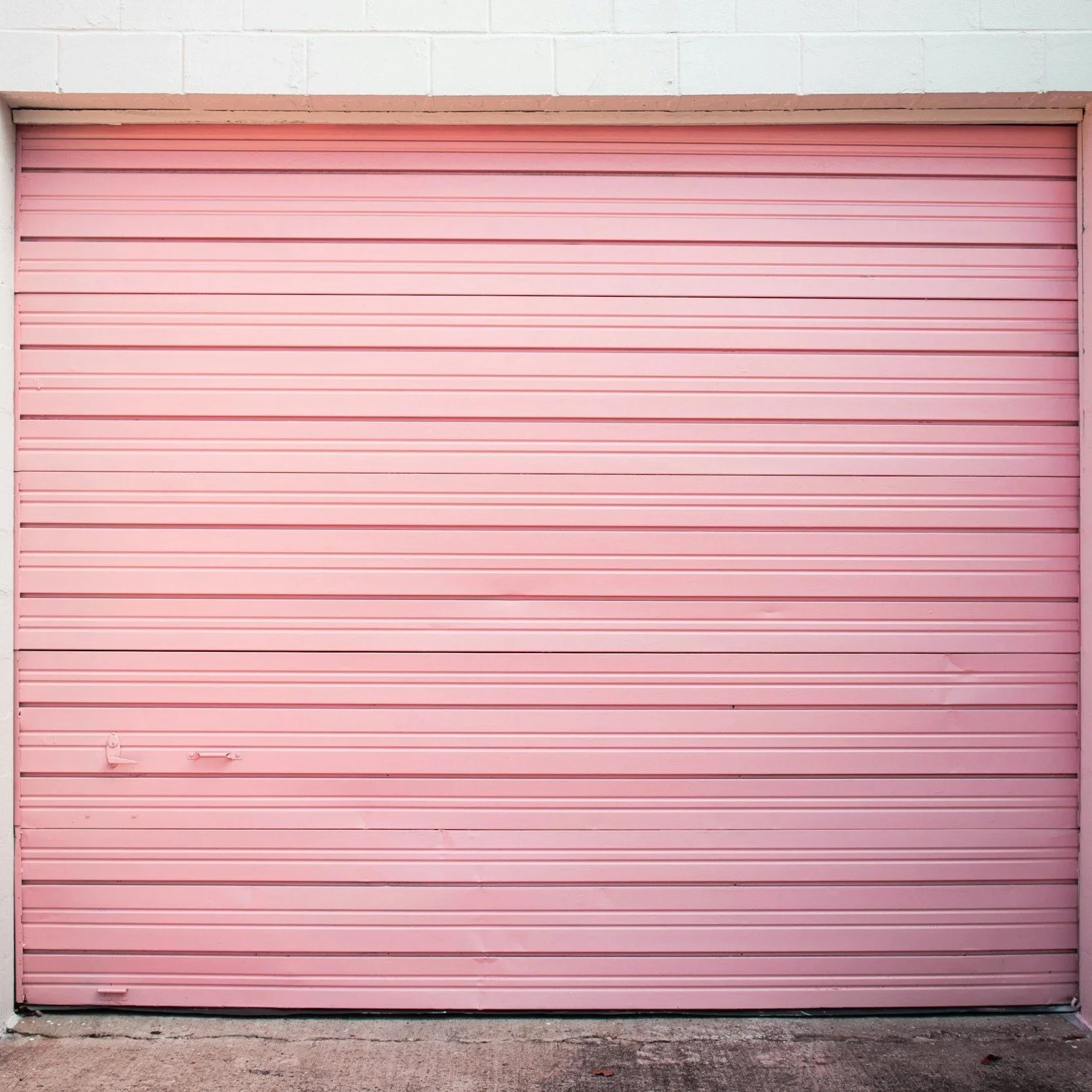
Installing quality weatherstripping keeps your space cleaner, more comfortable, more energy-efficient, and more durable.
Your garage door is a critical part of your home’s envelope — it protects vehicles, tools, and stored items from the elements and often serves as a secondary entrance. But even a perfectly functioning door can let in drafts, moisture, pests, and dust if the perimeter between the door and the garage floor isn’t sealed properly. That’s where garage door weatherstripping comes in. Installing quality weatherstripping keeps your space cleaner, more comfortable, more energy-efficient, and more durable.
Weatherstripping isn’t just a strip of rubber at the bottom of the door — it’s a strategic upgrade that improves the garage’s overall performance. Whether your garage is attached to your home or stands alone, a weather-tight seal helps regulate temperature, block drafts, prevent water intrusion, and even buffer noise. Over time, the original seal wears down, cracks, or detaches, letting the very things you want kept out come in. A proper weatherstripping installation restores that protective barrier, improves comfort, and protects everything you keep inside.
What Garage Door Weatherstripping Does
Weatherstripping is the flexible seal mounted along the bottom of a garage door (and sometimes on the sides and top) that compresses against the garage floor when the door is closed. Its purpose is simple but essential: fill gaps between the door and the surface it rests on so that air, water, bugs, debris, dust, and even small animals cannot enter under the door.
When weatherstripping is properly installed and in good condition, it creates a tight, continuous seal that prevents outside elements from coming in and indoor air from escaping. In an attached garage, this also helps reduce heat loss into the home’s interior spaces. Without good weatherstripping, your garage is more exposed to temperature swings, water damage, dust buildup, and pest issues — problems that can affect stored possessions and even your home’s comfort and energy costs.
Why Weatherstripping Wear and Tear Happens
Garage weatherstripping gets more use and abuse than many homeowners realize. Each time the garage door closes and opens, the weatherseal compresses and decompresses. Over hundreds or thousands of cycles, the bottom seal begins to lose flexibility, flatten out, crack, or pull away. Weather, temperature changes, moisture, and pressure from vehicles driving in and out accelerate this deterioration.
In hot climates, rubber and vinyl seals dry out and crack. Cold climates cause stiffening and brittleness. Moisture and debris can wear the seal unevenly, and repeated impact from vehicles can deform or tear it. Because this weatherseal affects the door’s contact with the floor, even a small gap lets in unwanted elements — and those gaps often go unnoticed until they cause bigger problems.
Benefits of Proper Weatherstripping Installation
Installing or replacing weatherstripping on your garage door delivers benefits that go well beyond simple draft control. Here’s how this often-overlooked upgrade pays off:
Improved Comfort and Temperature Control
Even if your garage isn’t part of your conditioned living space, temperature control has real effects on comfort and energy efficiency. An attached garage that isn’t properly sealed can transfer cold in winter and heat in summer into adjoining rooms. A quality weather seal minimizes this exchange, making your home more comfortable and reducing energy waste.
Reduced Drafts, Dust, and Debris Entry
Without an effective seal, wind carries dust, dirt, leaves, and other debris under the door and into the garage. Over time, that dust collects on floors, stored items, and vehicles. Weatherstripping blocks these drafts and keeps the space cleaner with less effort.
Protection Against Water and Moisture Damage
Rainwater doesn’t need much space to seep under a garage door. Moisture intrusion can lead to damp floors, rust on tools and equipment, mold growth, and damage to storage items. A tight bottom seal deters water infiltration and protects your garage from weather-related damage.
Pest Prevention
Small rodents, insects, and other critters are surprisingly good at finding tiny gaps. A poorly sealed garage bottom invites pests inside. Quality weatherstripping closes those gaps and enhances your home’s defense against unwanted visitors.
Noise Reduction
Weatherstripping also serves as a sound buffer. While it’s not the same as dedicated acoustic insulation, a good seal reduces outside noise from entering the garage and minimizes interior noise from opening and closing the door.
Energy Savings
When your garage is sealed better, your home’s overall thermal performance improves. This is especially noticeable in attached garages where temperature exchange affects indoor living spaces. Less heat gain in summer and reduced heat loss in winter contribute to lower energy bills.
Signs Your Garage Door Weatherstripping Needs Replacement
It’s not always obvious when weatherstripping has worn out — especially if the deterioration has been gradual. But there are clear signs that indicate it’s time for replacement:
Visible cracks, breaks, or brittleness in the seal
Gaps between the door and the floor, even when fully closed
Water or puddles under the door after a rainstorm
Increased dust or debris accumulation near the threshold
Drafts felt when hands are held near the bottom edge
Persistent pests or insects getting inside
Noticeable temperature fluctuation near the garage perimeter
Even if your weatherseal looks intact, age and regular compression can significantly reduce its effectiveness. Replacing it proactively ensures your garage remains protected.
Professional Weatherstripping vs. DIY
While a homeowner can install or replace weatherstripping, there are challenges that make professional installation a smarter choice for many:
Proper measurement and fit — weatherstripping must match door width and floor contours precisely
Choosing the correct seal type — different climates and floor surfaces affect what material performs best
Ensuring an airtight contact — uneven floors or gaps require careful adjustment
Avoiding damage to the door bottom or tracks during installation
Professionals know how to assess your garage’s specific conditions and choose the most effective seal type while installing it cleanly and securely. This avoids common DIY pitfalls like loose seals, uneven compression, or material failure.
Types of Garage Door Weatherstripping Materials
Materials vary by durability, flexibility, climate suitability, and cost. The most common options include:
Rubber seals: Flexible and resilient, excellent for most climates
Vinyl or PVC seals: Durable and moisture-resistant, good for wet areas
Brush seals: Good for irregular floors — bristles conform to uneven surfaces
Double or reinforced seals: For garages needing extra protection against water and drafts
Selecting the right material ensures the seal performs well for years, even under repeated compression and seasonal changes.
How Weatherstripping Improves Garage Door Performance
Beyond protection, weatherstripping impacts the mechanical performance of your garage door.
A worn or missing seal creates uneven contact that can lead to binding or increased resistance when closing. This resistance increases strain on the opener and can contribute to premature wear of springs and rollers. A properly sealed door moves with balanced pressure and reduces unnecessary stress on mechanical parts, improving overall system longevity.
Steps in a Professional Garage Weatherstripping Installation
While the specific steps vary slightly depending on material and door type, professional installation generally includes:
Measuring the door opening and floor surface to choose the optimal seal length and type
Choosing weatherstripping material based on climate, usage patterns, and floor condition
Removing old or degraded weatherstripping carefully to avoid damaging the door bottom
Preparing the bottom edge and floor by cleaning, leveling, or smoothing surface irregularities
Installing the new seal securely with adhesive, fasteners, or integrated mounting channels
Testing the door’s operation to ensure no binding, scraping, or gaps remain
Making fine adjustments for airtight contact and optimal performance
This process ensures your new weather seal functions consistently and provides long-lasting protection.
Frequently Asked Questions About Garage Door Weatherstripping
What is garage door weatherstripping?
Garage door weatherstripping is a flexible seal installed along the bottom and sometimes the sides of the garage door to block air, water, dust, and pests from entering beneath the door.
How often should weatherstripping be replaced?
Most weatherstripping lasts several years, but it should be inspected seasonally. Replacement is recommended if you notice drafts, cracks, brittleness, or visible wear.
Will weatherstripping prevent all water intrusion?
Weatherstripping significantly reduces water entry during light rain and normal conditions. In cases of heavy rainfall or flooding, additional drainage or threshold solutions may be required.
Can I install weatherstripping myself?
Basic installation is possible for some homeowners, but professional installation provides proper fit, correct material selection, and longer-lasting performance.
Does weatherstripping improve energy efficiency?
Yes. By sealing gaps and reducing drafts, weatherstripping helps stabilize temperatures in attached garages and nearby living spaces, improving overall energy efficiency.
Residents in Maricopa County can count on Phoenician Garage Door & Repair for all garage door roller replacement, and garage door weather seal replacement needs. As a licensed, bonded, and insured company, we take pride in offering top-notch workmanship and using the highest quality parts.
