
Extreme Heat and Garage Doors: How Phoenix Summers Affect Springs, Rollers & Lubrication
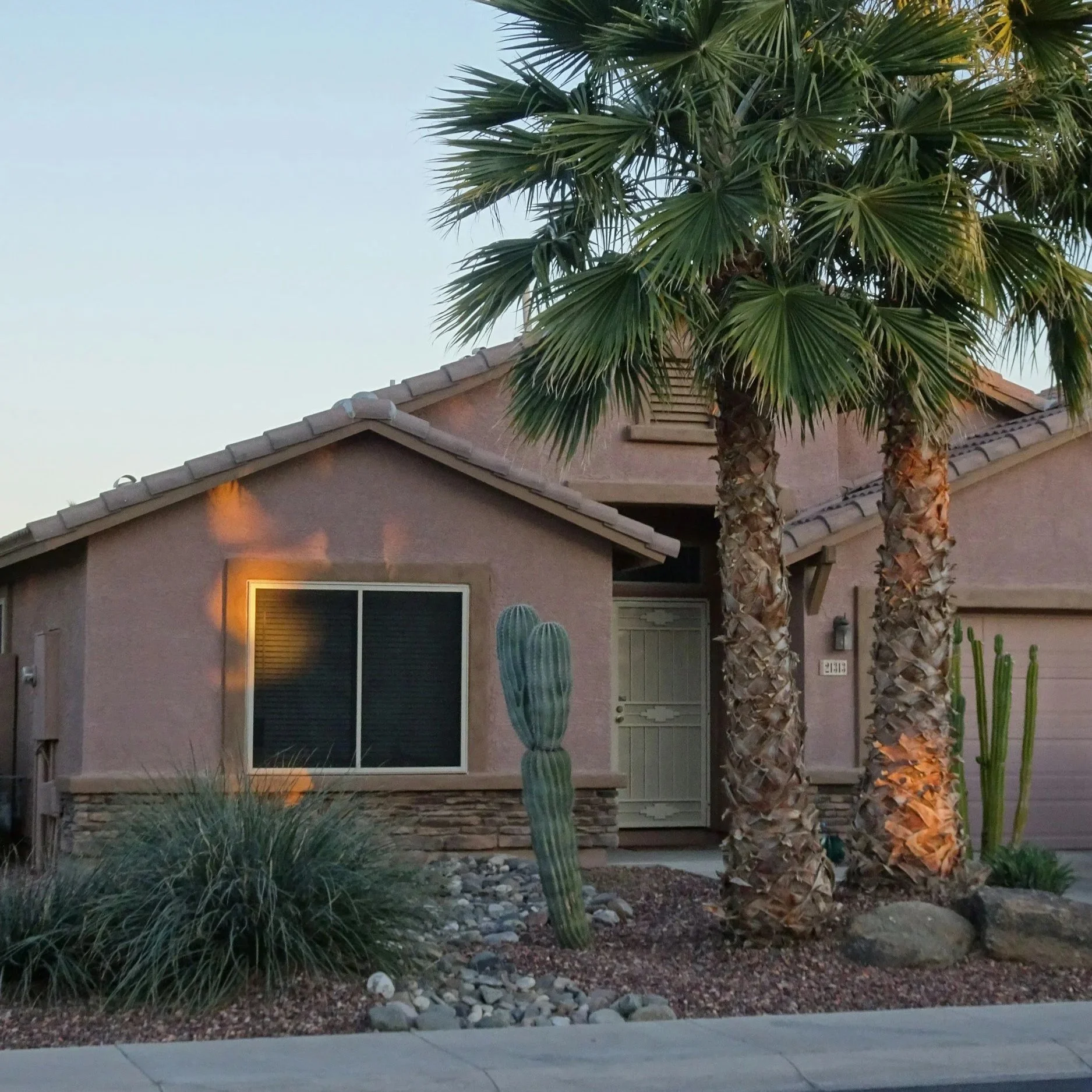
Metal expands, lubricants thin out or burn off, and components lose the ability to move smoothly.
Phoenix summers do not quietly show up and politely warm things up. They arrive with relentless heat that bakes driveways, walls, and garage doors from sunrise to sunset. Garage doors face some of the harshest conditions on the property, absorbing heat, UV exposure, and daily use all at once. Garage door technicians across Phoenix, AZ, regularly see how extreme temperatures accelerate wear on springs, rollers, and lubrication systems, often catching homeowners off guard when components fail earlier than expected.
Garage doors operate through a balance of tension, friction, and precise movement. High heat disrupts that balance in subtle ways long before parts break outright. Metal expands, lubricants thin out or burn off, and components lose the ability to move smoothly. Understanding how Phoenix summers affect garage doors helps homeowners recognize why seasonal service plays such a large role in preventing breakdowns during the hottest months of the year.
Why Phoenix Heat Is Especially Tough On Garage Doors
Phoenix routinely experiences weeks of triple-digit temperatures, with garage doors sitting in direct sunlight for hours at a time. Steel and aluminum door panels absorb heat and transfer it into the entire system. Springs, rollers, hinges, and tracks all feel the impact as temperatures climb well beyond what many components experience in cooler regions.
Unlike interior mechanical systems, garage doors lack climate control. Heat exposure fluctuates dramatically between early morning and late afternoon, creating constant expansion and contraction cycles. Over time, those cycles fatigue metal components and degrade lubricants faster than many homeowners expect. Garage door services approach summer maintenance with these environmental realities in mind, adjusting inspection schedules accordingly.
How Extreme Heat Impacts Garage Door Springs
Garage door springs carry the heaviest workload in the entire system, as torsion and extension springs store and release energy every time the door opens or closes. In Phoenix heat, spring metal expands during the day and contracts overnight, creating stress that compounds with normal usage. High temperatures also reduce the overall lifespan of springs by accelerating metal fatigue. Springs already operate under intense tension, and heat amplifies microscopic fractures within the steel. Professional technicians often see spring failures spike during summer months, not because usage suddenly increases, but because heat pushes already stressed springs past their limits.
Another challenge involves lubrication breakdown. Springs rely on proper lubrication to reduce friction between coils. In extreme heat, lubricants can thin out or evaporate, leaving springs to grind against themselves. Dry springs generate noise, lose efficiency, and fail sooner. Regular professional service restores proper lubrication and identifies early signs of fatigue before sudden breakage occurs.
Rollers Under Heat Stress In Phoenix Summers
Garage door rollers guide the door along its tracks and support the door’s weight during movement. Most residential garage doors use steel or nylon rollers, each reacting differently to extreme heat. Steel rollers expand with rising temperatures, which can increase friction inside the track and cause rough operation.
Nylon rollers handle heat better than steel in some respects, but prolonged exposure still degrades their internal bearings. Heat dries out lubrication inside the roller assembly, leading to squeaking, binding, or wobbling as the door moves. Professional garage door inspections often reveal roller wear that correlates directly with prolonged summer heat exposure rather than age alone.
Worn rollers increase strain on openers and tracks. When rollers fail to spin freely, doors drag rather than glide. That added resistance raises motor workload and accelerates wear across the entire system. Addressing roller condition before peak summer heat helps maintain smoother operation and reduces the risk of opener strain.
Track Expansion And Alignment Challenges
Garage door tracks may appear sturdy and unchanging, but Phoenix heat causes noticeable expansion. As tracks heat up, slight alignment shifts can occur, especially in garages with older mounting hardware or minor structural movement. Even small alignment changes affect how rollers sit within the track, leading to rubbing, vibration, or uneven door travel.
Technicians look for signs of heat-related misalignment during summer inspections. Scrape marks, uneven wear, and unusual noise often trace back to track expansion issues. Adjustments restore proper spacing and support smooth door movement despite temperature fluctuations.
Lubrication Breakdown In Extreme Heat
Lubrication plays a quiet yet critical role in garage door performance. Springs, rollers, hinges, and bearings all rely on lubricants to reduce friction and manage heat generated by movement. Phoenix summers challenge even high-quality lubricants, thinning them or causing evaporation. Standard household oils often fail quickly in desert heat, leaving components dry and vulnerable. Professional garage door services use lubricants formulated to withstand high temperatures while maintaining viscosity. Applying the correct product at the right intervals protects moving parts and reduces noise during operation. Heat also attracts dust, which sticks to improperly lubricated components and forms abrasive buildup. Dust mixed with degraded lubricant creates a grinding paste that accelerates wear. Regular professional cleaning and lubrication remove debris and restore protective coatings where needed.
Opener Strain During Phoenix Summers
Garage door openers face added challenges during extreme heat. Motors work harder when doors encounter increased resistance from expanded components or dried lubrication. Heat itself also affects electronic components inside the opener housing, potentially shortening lifespan.
Professional technicians often adjust opener force settings during summer service visits to accommodate changing conditions. Proper adjustments help prevent overworking the motor while maintaining safe operation. Ignoring these seasonal needs can lead to premature opener failure or inconsistent door performance.
How Daily Temperature Swings Compound Wear
Phoenix summers bring not only heat but dramatic daily temperature swings. Early mornings may feel relatively mild, while afternoons reach extreme highs. Garage door components expand and contract repeatedly within a single day, multiplying stress cycles.
Springs experience tension changes, rollers shift slightly within tracks, and lubrication viscosity fluctuates. Over months of summer heat, these cycles add up. Professional garage door maintenance accounts for cumulative stress rather than isolated temperature spikes, focusing on long-term durability.
Signs Heat Is Taking A Toll On Garage Doors
Homeowners often notice subtle warning signs before major failures occur. Increased noise during operation, slower opening speeds, or jerky movement often signal heat-related issues. Springs may creak or pop, rollers may squeal, and doors may hesitate mid-travel.
Another common indicator involves the door feeling heavier than usual. Heat-related spring fatigue reduces lifting efficiency, forcing openers to compensate. Professional evaluations identify whether spring tension remains balanced or if replacement is needed. Addressing these symptoms early prevents sudden breakdowns during peak summer months when service demand runs high. Proactive maintenance reduces emergency calls and protects garage doors from avoidable damage.
Why Professional Summer Maintenance Matters In Phoenix
Garage door maintenance during Phoenix summers goes beyond basic inspection. Professional services focus on heat-specific stress points and material behavior under extreme conditions. Technicians assess spring cycle counts, roller bearing condition, track alignment, and lubrication integrity with local climate in mind.
Professional maintenance also includes cleaning debris that accumulates faster during summer dust storms. Removing abrasive particles extends component life and improves overall performance. Homeowners who schedule seasonal service often experience quieter operation and fewer unexpected failures.
Material Choices That Perform Better In Extreme Heat
Not all garage door components perform equally under Phoenix conditions. High-cycle springs resist fatigue better than standard options. Nylon rollers with sealed bearings handle heat and dust more effectively than basic steel rollers. High-temperature lubricants maintain protective properties longer than general-purpose oils. Garage door companies recommend materials based on local climate experience rather than generic specifications. Selecting components designed for desert environments reduces replacement frequency and supports long-term reliability.
How Heat Affects Garage Door Balance
Garage door balance depends on precise spring tension relative to door weight. Heat alters this balance subtly by affecting metal elasticity and door panel expansion. A door balanced during cooler months may behave differently in summer heat. Professional technicians test door balance under current conditions rather than relying on past adjustments. Maintaining proper balance reduces opener strain and supports smooth operation throughout temperature extremes.
Energy Efficiency And Comfort Considerations
While garage doors primarily serve functional roles, heat-related performance issues affect home comfort as well. Poorly lubricated or misaligned doors may not seal properly, allowing hot air into the garage and adjacent living spaces. Professional maintenance helps maintain proper door closure and sealing, supporting better temperature control inside the home. Reduced heat transfer eases cooling demands during peak summer months, contributing to overall energy efficiency.
Scheduling Garage Door Service For Phoenix Summers
Early summer inspections allow technicians to address heat-related wear before conditions worsen. Waiting until components fail often results in emergency repairs during the hottest days of the year. Many professional garage door companies recommend annual or biannual service timed around seasonal transitions. Spring and early summer visits prepare garage doors for months of extreme heat, while fall service addresses wear accumulated during summer.
Long-Term Benefits of Heat-Aware Maintenance
Garage doors maintained with Phoenix heat in mind last longer and perform more reliably. Components experience less friction, springs retain proper tension longer, and openers operate within safe limits. Professional maintenance extends system lifespan and reduces the likelihood of sudden failures. Homeowners often find that consistent service lowers overall repair costs by catching small issues early. Investing in professional care tailored to local climate conditions delivers tangible benefits over time.
Garage Door Performance FAQs for Extreme Phoenix Heat
How does extreme heat affect garage door springs in Phoenix, AZ?
High temperatures accelerate metal fatigue and break down lubrication on springs. Daily expansion and contraction cycles shorten spring lifespan and increase failure risk during summer months.
Why do garage door rollers wear out faster in Phoenix summers?
Heat dries out roller bearings and increases friction inside tracks. Dust accumulation during summer storms also contributes to accelerated wear, especially when lubrication degrades.
What type of lubrication works best for garage doors in extreme heat?
High-temperature garage door lubricants maintain viscosity and protection better than standard oils. Professional services use products designed to withstand Phoenix heat without burning off quickly.
Can summer heat cause garage door openers to fail in Phoenix, AZ?
Yes, openers work harder when doors encounter increased resistance from heat-related expansion or poor lubrication. Heat also affects internal electronics, potentially shortening their lifespan without proper maintenance.
How often should garage doors be serviced during Phoenix summers?
Annual service works for many homes, though some benefit from biannual inspections. Scheduling service before peak summer heat helps address wear early and reduce emergency repair needs.
The factory trained technicians at Phoenician Garage Door & Repair in Phoenix, AZ, offer garage door inspection, garage door drum replacement, garage door spring replacement, and garage door cable repair and replacement. Our trucks are equipped with top-quality replacement parts to ensure prompt and efficient repairs. Licensed, bonded, and insured. Call us for same-day service.
