
Garage Door Balance Test: Why an Unbalanced Door Destroys Springs & Openers
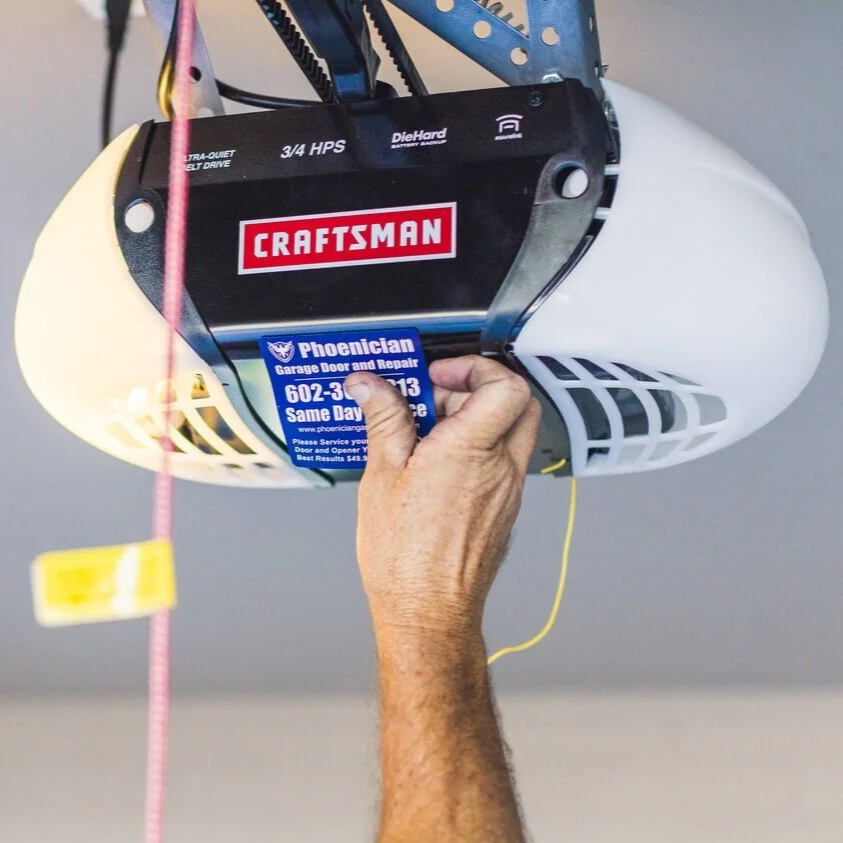
A door that looks fine on the surface may be slowly damaging springs, openers, and hardware simply because weight is not distributed correctly.
Garage doors in Phoenix, AZ, face a unique mix of challenges that quietly affect performance every single day. Extreme heat, constant sun exposure, dust, and seasonal storms all place extra strain on moving components that already work hard. Among the most overlooked issues hiding inside garage doors is imbalance. A door that looks fine on the surface may be slowly damaging springs, openers, and hardware simply because weight is not distributed correctly.
Professional garage door balance testing focuses on how evenly a door moves and rests throughout its travel. When balance drifts, the entire system compensates in ways that shorten lifespan, increase repair costs, and raise safety concerns. Balance testing remains one of the most important services professionals provide, especially for homes in Phoenix, where climate stress accelerates wear.
What Garage Door Balance Really Means
Garage door balance refers to how evenly the door’s weight is supported by the spring system. A properly balanced garage door lifts smoothly and stays in place when raised halfway without drifting up or slamming down. Springs carry most of the door’s weight, allowing openers to guide movement rather than struggle against gravity.
When the balance shifts, springs lose the ability to counterweight the door evenly. The opener then absorbs extra strain as it attempts to lift or lower a door that weighs far more than it should. Over time, that extra load damages motors, gears, rails, and electronic components. Balance issues rarely appear overnight. They develop gradually as springs age, hardware loosens, and components respond to temperature changes common in Phoenix, AZ.
Why Balance Problems Are Common In Phoenix Garage Doors
Phoenix heat plays a major role in balance issues. Metal expands during the day and contracts at night, which affects spring tension and hardware alignment. Over time, the repeated expansion cycles reduce spring elasticity and change how the weight distributes across the door.
Dust also contributes. Fine desert particles settle into rollers, hinges, and tracks, increasing friction. As friction increases, doors move unevenly, which further stresses springs and shifts the balance. Seasonal humidity during monsoon storms adds another variable that affects metal components.
Garage doors in Phoenix often serve as primary entry points. Frequent daily use accelerates wear patterns, especially when balance goes unchecked. Professional balance testing accounts for these regional factors and addresses problems before they cascade into larger failures.
How Professionals Perform A Garage Door Balance Test
Professional balance testing begins by disconnecting the opener so the door can move freely. Technicians lift the door manually and observe how it responds at various heights. A balanced door remains steady when opened halfway and does not drift rapidly upward or downward. Technicians also assess how smoothly the door travels along tracks. Jerky movement or uneven lifting indicates imbalance or alignment issues. Spring tension receives careful evaluation, along with cable alignment on drums and roller condition.
Balance testing does not rely on guesswork. Professionals understand how different door sizes, materials, and spring types affect weight distribution. In Phoenix, AZ, technicians also factor in heat-related wear when making adjustments.
How Unbalanced Garage Doors Destroy Springs
Springs are designed to lift specific weight ranges. When a door becomes unbalanced, the springs work harder than intended. Overloaded springs stretch beyond optimal tension, accelerating metal fatigue.
As fatigue builds, springs lose elasticity and develop weak points. Gaps appear between coils, tension becomes inconsistent, and the risk of sudden breakage increases. Spring failure often occurs without warning and can damage surrounding components when it happens.
In Phoenix homes, heat amplifies these effects. Springs already stressed by temperature fluctuations deteriorate faster when an imbalance adds extra load. Professional balance testing protects springs by restoring proper weight distribution before irreversible damage occurs.
How Openers Suffer From Poor Balance
Garage door openers are designed to guide movement, not lift the full door weight. When balance fails, openers compensate by working harder. Motors strain, gears wear down, and internal components overheat.
Homeowners may notice slower operation, louder noise, or inconsistent response times. Over time, the opener's lifespan shortens dramatically. Repairs become frequent, and replacement may arrive sooner than expected. Balance testing protects openers by restoring their intended role. When springs carry proper weight, openers operate smoothly and quietly, even during Phoenix summers.
Safety Risks Associated With Unbalanced Garage Doors
Unbalanced garage doors pose serious safety risks. Doors may close too quickly, increasing the chance of injury or property damage. Safety sensors and auto reverse systems rely on predictable movement to function correctly. Imbalance interferes with those systems, making responses less reliable. A heavy door that suddenly drops places people, pets, and vehicles at risk. Professional balance testing identifies these hazards early and corrects them before accidents occur. Phoenix families benefit from inspections that prioritize safety alongside performance. Balance testing supports reliable sensor operation and controlled movement throughout the door’s travel.
Common Signs Of Garage Door Imbalance
Many homeowners overlook early signs of imbalance. Doors that feel heavier when lifted manually often indicate spring tension issues, and doors that slam shut or drift upward unexpectedly also signal imbalance.
Noisy operation serves as another warning. Grinding, popping, or straining sounds often accompany uneven weight distribution. Visual cues like uneven cable tension or rollers pulling away from tracks also suggest imbalance. In Phoenix, AZ, these signs often appear sooner due to climate stress. Professional evaluation prevents minor symptoms from escalating into major problems.
How Balance Testing Supports Long-Term Garage Door Health
Balance testing extends the lifespan of multiple components at once. Springs last longer when they carry a proper load. Openers experience less strain and operate more efficiently. Rollers and tracks wear evenly rather than developing hot spots. Balanced movement reduces twisting and flexing that can damage panel joints over time. For homeowners concerned with curb appeal, balance testing helps maintain door alignment and appearance. Professional balance testing supports predictable maintenance planning. Addressing the imbalance early reduces emergency repairs and supports reliable daily use.
When Balance Testing Should Be Scheduled In Phoenix
Annual balance testing works well for most residential garage doors in Phoenix, AZ. Homes with older doors, heavy usage, or rental properties often benefit from testing every six months. Balance testing also makes sense after certain events. Spring replacement, opener installation, panel repair, or structural changes around the garage opening all affect balance. Post-monsoon inspections help identify shifts caused by wind and moisture. New homeowners frequently schedule balance testing shortly after moving in. Establishing a baseline helps identify inherited issues before they become costly surprises.
Professional Adjustments Versus Temporary Fixes
Balance adjustments involve precise spring tension changes that require training and proper tools. Professional technicians understand how small adjustments affect overall system behavior. Temporary fixes like opener force increase the mask imbalance rather than correct it. Raising force settings places additional strain on motors and gears while leaving springs overloaded. Professional balance testing focuses on root causes. Correcting spring tension and alignment restores system harmony rather than forcing components to compensate unsafely.
Energy Efficiency And Balance
Balanced garage doors support energy efficiency indirectly. Smooth operation allows seals to sit properly against frames, reducing air gaps. In Phoenix, AZ, intact sealing helps regulate garage temperatures and limits heat transfer into living spaces. Unbalanced doors often sit unevenly when closed, creating gaps that allow hot air and dust inside. Balance testing supports proper closure and improved comfort.
Professional Service Perspective On Balance Testing
Balance testing represents one of the most valuable preventive services professionals offer. It protects expensive components, improves safety, and supports quiet operation. Professional technicians approach balance testing with a holistic view. Springs, cables, rollers, tracks, openers, and panels all receive consideration because imbalance rarely affects just one part. For Phoenix homeowners, professional balance testing reflects smart ownership. It aligns maintenance with local climate demands while avoiding unnecessary repairs.
Cost Savings Associated With Regular Balance Testing
Many homeowners underestimate how much imbalance costs over time. Replacing springs prematurely, repairing openers, and addressing panel damage all add up quickly. Balance testing reduces these costs by extending component lifespan. It also minimizes emergency service calls that often occur at inconvenient times. Predictable maintenance schedules supported by balance testing help homeowners budget confidently while maintaining reliable garage doors year-round.
Garage Door Balance Testing FAQs in Phoenix, AZ
What is a garage door balance test in Phoenix, AZ?
A garage door balance test evaluates how evenly a door’s weight is supported by its springs. Professionals disconnect the opener and manually test door movement to identify imbalance influenced by Phoenix heat and usage patterns.
How often should garage door balance be tested in Phoenix, AZ?
Most residential garage doors benefit from annual balance testing. Homes with older doors or heavy daily use often schedule testing every six months due to accelerated wear from local climate conditions.
Can an unbalanced garage door damage the opener?
Yes. Unbalanced garage doors force openers to lift more weight than designed. Over time, motors, gears, and rails wear out faster, leading to costly repairs or premature replacement.
Are balance issues dangerous for Phoenix homeowners?
Imbalance increases the risk of sudden door movement, sensor malfunction, and component failure. Professional balance testing reduces accident risk and supports safe daily operation.
Does balance testing help garage doors last longer in Phoenix, AZ?
Balanced doors place less strain on springs, openers, rollers, and panels. Regular balance testing extends component life and improves reliability in Phoenix’s demanding climate.
The factory trained technicians at Phoenician Garage Door & Repair in Phoenix, AZ, offer garage door inspection, garage door drum replacement, garage door spring replacement, and garage door cable repair and replacement. Our trucks are equipped with top-quality replacement parts to ensure prompt and efficient repairs. Licensed, bonded, and insured. Call us for same-day service.
