
What is the Best Material for a Garage Door?
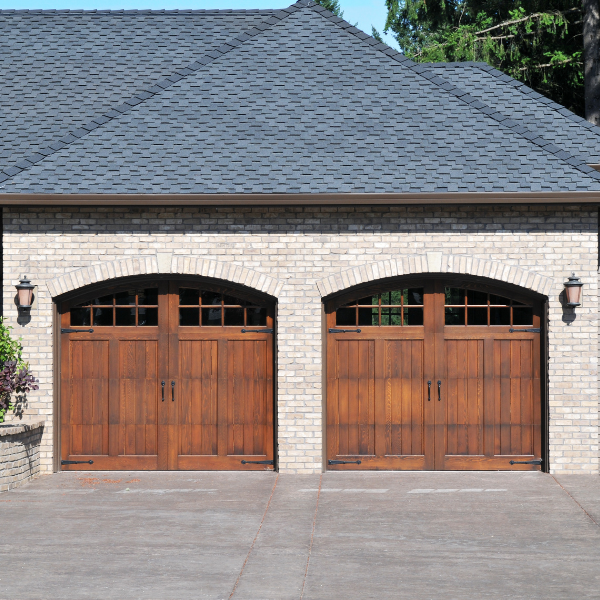
A well-chosen material improves reliability, protects internal components, and enhances the appearance and value of your home.
Choosing the best material for a garage door is one of the most important decisions a homeowner can make when replacing or upgrading a garage door system. Because the garage door is one of the most prominent and most visible features of a home, the material you choose affects durability, maintenance requirements, insulation performance, noise levels, and overall curb appeal. While many homeowners assume there is one universally “best” option, the reality is that the right garage door material depends on how you use your garage, your local climate, your budget, and the long-term performance you expect.
Garage doors experience daily movement, constant exposure to outdoor elements, and significant mechanical stress. A well-chosen material improves reliability, protects internal components, and enhances the appearance and value of your home. Understanding how each material performs over time makes it easier to choose a door that balances appearance with function.
Why Garage Door Material Matters
Garage door material influences nearly every aspect of door performance. Heavier materials place more strain on springs and openers, while lighter materials may dent more easily. Some materials require frequent upkeep, while others remain relatively maintenance-free for years. Insulation capability also varies widely between materials, which can affect interior garage temperatures and even the comfort of rooms connected to the garage.
Because the garage door opens and closes thousands of times over its lifespan, the material must withstand repeated movement without warping, cracking, or premature degradation. Choosing the wrong material can lead to higher repair costs, shorter lifespan, and reduced overall satisfaction with the door.
Steel Garage Doors and Why They Are So Popular
Steel is the most commonly used garage door material for residential homes, largely because it offers an excellent balance of durability, affordability, and design flexibility. Steel doors are strong enough to resist everyday impacts while remaining lightweight enough to operate smoothly when properly balanced. They are available in a wide range of colors, panel designs, and finishes, making them suitable for both traditional and modern homes.
One of the biggest advantages of steel garage doors is their compatibility with insulation. Insulated steel doors help regulate temperature inside the garage, reduce noise during operation, and improve energy efficiency for homes with attached garages. Steel doors also require relatively little maintenance, typically needing only periodic cleaning and inspection.
However, steel doors can dent if struck with significant force, and in environments with high moisture or salt exposure, they may develop rust if protective coatings are compromised. With proper care and quality finishes, steel remains one of the most reliable and versatile garage door materials available.
Aluminum Garage Doors and Modern Design Appeal
Aluminum garage doors are commonly chosen for contemporary and modern homes. Their lightweight construction reduces strain on mechanical components, often resulting in quieter operation and longer opener life. Aluminum does not rust, making it a strong option in humid or coastal environments where corrosion is a concern.
Many aluminum doors feature clean lines and can be paired with glass panels to create a sleek, modern aesthetic. This makes aluminum an appealing choice for homeowners who prioritize design and visual impact. The lighter weight also makes aluminum doors easier to operate manually if needed.
The tradeoff with aluminum is reduced impact resistance. Aluminum panels are more susceptible to dents than steel, especially in high-traffic garages. Insulation options are available, but aluminum typically requires thicker insulation to achieve thermal performance comparable to insulated steel doors.
Wood Garage Doors and Timeless Appearance
Wood garage doors offer unmatched visual warmth and classic character. For homeowners seeking a high-end or custom look, wood remains a premium option. Wood doors can be crafted in a variety of styles, stained or painted to match architectural details, and designed to complement traditional, rustic, or luxury homes.
In addition to aesthetics, solid wood provides natural insulation and a solid feel during operation. When properly maintained, wood doors can last for many years and add significant curb appeal.
That said, wood requires more upkeep than other materials. Exposure to sun, moisture, and temperature changes can cause warping, cracking, or fading if the door is not regularly sealed or repainted. Wood doors are also heavier, placing additional strain on springs and openers. For homeowners willing to commit to routine maintenance, wood offers an unmatched appearance but requires more long-term care.
Fiberglass Garage Doors and Low-Maintenance Performance
Fiberglass garage doors are designed to offer durability without the maintenance burden of wood. Fiberglass resists moisture, does not rust, and performs well in humid or coastal environments. Many fiberglass doors are engineered to mimic the look of wood grain while avoiding issues like rot or insect damage.
Fiberglass is also impact-resistant and lightweight, making it easier on garage door hardware and openers. These doors often perform quietly and smoothly when properly installed.
One consideration with fiberglass is long-term exposure to intense sunlight, which can cause fading over time if the material lacks UV protection. Insulation is typically added through internal cores, and when designed correctly, fiberglass doors can provide good energy efficiency.
Composite Garage Doors and Balanced Performance
Composite garage doors combine multiple materials to achieve strength, stability, and visual appeal. These doors often feature a steel or reinforced core with a composite exterior that resembles wood. This construction allows homeowners to enjoy a premium appearance without the maintenance demands of natural wood.
Composite doors resist moisture, warping, and cracking while maintaining structural integrity over time. They are well-suited to a wide range of climates and typically provide insulation, improving energy efficiency. The primary drawback of composite doors is cost, as they are generally priced higher than basic steel or aluminum options.
Insulation and Material Choice
Regardless of material, insulation plays a critical role in garage door performance. Insulated doors help stabilize garage temperatures, reduce noise, and improve comfort in adjacent living spaces. Insulated steel and composite doors often deliver the highest R-values, while aluminum and fiberglass can still perform well with proper insulation cores.
For homes with attached garages or garages used as workspaces, insulation is often just as important as material selection. A well-insulated door can significantly reduce heat transfer, making the garage more usable year-round.
Choosing the Best Material for Your Home
The best garage door material depends on your priorities. Steel is often the best all-around choice for durability, affordability, and insulation potential. Aluminum excels in modern design and rust resistance. Wood offers premium aesthetics but requires maintenance. Fiberglass provides moisture resistance and low upkeep, while composite materials offer a balanced blend of strength and style.
Climate, usage frequency, noise sensitivity, and long-term maintenance expectations should all factor into your decision. A door that performs well in one environment may not be ideal in another.
Installation Quality Matters as Much as Material
Even the best garage door material will underperform if installed incorrectly. Proper installation ensures correct balance, smooth operation, reduced noise, and extended lifespan. Professional installation is especially important for heavier materials like wood and insulated steel, where precise spring calibration and alignment are critical for safety and performance.
Frequently Asked Questions About Garage Door Materials
What is the most durable garage door material?
Steel and composite garage doors are generally considered the most durable options for everyday residential use due to their strength and resistance to damage.
Which garage door material requires the least maintenance?
Steel, aluminum, fiberglass, and composite garage doors require far less maintenance than wood, as they do not need regular sealing, staining, or refinishing.
Is wood a good choice for hot or humid climates?
Wood garage doors can perform well when properly maintained, but heat and humidity increase the need for frequent sealing, painting, and moisture protection.
What material is best for energy efficiency?
Insulated steel and composite garage doors typically deliver the best energy efficiency by reducing heat transfer and maintaining more stable garage temperatures.
Do lighter materials reduce opener wear?
Yes. Lighter materials such as aluminum and fiberglass place less strain on garage door springs and openers, which can help extend system lifespan.
Phoenician Garage Door & Repair offers new installation, repairs and openers for garage doors in Maricopa County. Emergency service available. We are licensed, bonded, and insured. Call (602) 610-0112.
