
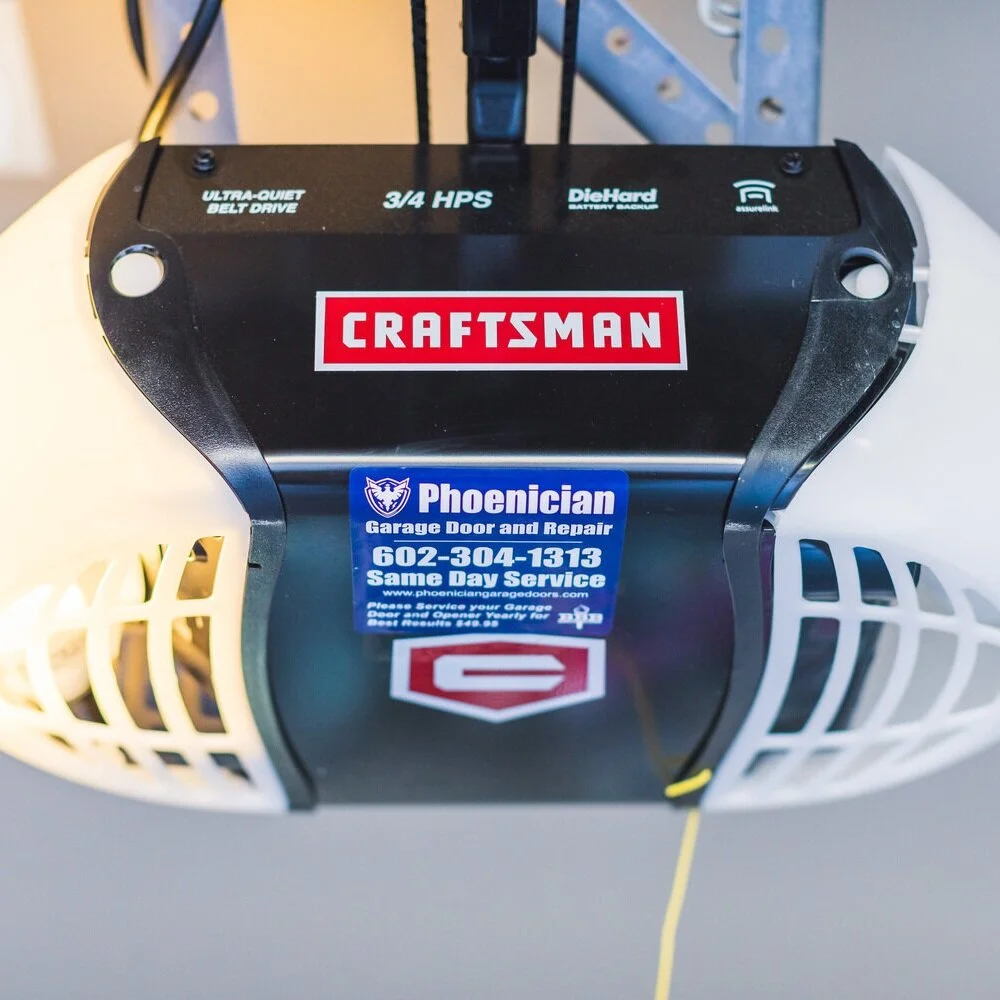
Understanding the average life of a garage door opener, what affects longevity, how to tell when it’s wearing out, and how to get the most life out of yours can help you avoid sudden failures, improve safety, and plan for replacements.
A garage door opener is one of those everyday devices you rarely think about — until it stops working. Whether you use a remote, keypad, or wall switch, the opener operates quietly behind the scenes every day. But like all mechanical and electrical systems, it doesn’t last forever.
Understanding the average life of a garage door opener, what affects longevity, how to tell when it’s wearing out, and how to get the most life out of yours can help you avoid sudden failures, improve safety, and plan for replacements.
In this guide, we’ll break down average lifespans, the factors that shorten or extend service life, signs an opener is nearing the end, and tips to maximize performance year after year.
What a Garage Door Opener Does
A garage door opener isn’t just a motor — it’s an entire system designed for consistent motion, safety, and convenience. Every time you press a button, the opener:
Activates a motor to lift or lower the door
Works with safety sensors to detect obstructions
Responds to wireless remotes or keypad codes
Communicates with reversing and force mechanisms
Coordinates with springs, cables, tracks, and rollers
Because it coordinates electrical and mechanical parts thousands of times throughout its life, wear and tear are inevitable. However, thoughtful maintenance and proper use can considerably extend its lifespan.
What Is the Average Life of a Garage Door Opener?
Most garage door openers last 10 to 15 years on average.
This range isn’t exact for every home — some openers operate smoothly for more than 15 years, while others may need replacement in less than a decade. The actual lifespan depends on:
Frequency of use
Type and quality of the unit
Maintenance and care
Local climate and temperature extremes
Installation quality
Most manufacturers design openers with durability in mind, and units that receive regular maintenance tend to last closer to the upper range.
How Frequency of Use Affects Opener Lifespan
One of the biggest factors in how long an opener lasts is how often it’s used.
Daily Cycles Add Up
If you open and close your garage door just four times per day, that’s:
About 1,460 cycles per year
More than 14,000 cycles in 10 years
Each cycle puts stress on gears, motors, sensors, and connections. Heavy use — such as multiple family members coming and going or frequent remote use — increases wear.
Heavy vs. Light Use
Light use: 2–3 cycles per day
Moderate use: 4–6 cycles per day
Heavy use: 7+ cycles per day
Homes with heavy use may need opener replacement sooner than homes with lighter usage.
Quality and Type of Garage Door Opener
Not all openers are created equal. The type and build quality of the unit significantly influence lifespan.
Chain-Drive Openers
Chain drives are durable and cost-effective. They can handle high frequency but are typically
louder and require more maintenance. High-quality chain-drive openers often reach the upper range of typical lifespan.
Belt-Drive Openers
Belt drives are quieter and smoother, especially appreciated in homes with living space above or adjacent to the garage. Belt-drive units often feature advanced components that last longer under lower vibration stress.
Screw-Drive Openers
Screw drives use a threaded rod and fewer moving parts, which can mean reduced wear in moderate climates. Temperature changes can affect performance more than other types, so screw drives may require seasonal attention.
Direct-Drive Openers
A newer design in which the motor moves along a stationary chain or rail, direct drives have fewer moving parts and can last longer under heavy use.
Higher-end openers typically offer better motors, tougher gears, and higher cycle ratings — all of which contribute to longer life.
How Climate and Environment Affect Opener Life
Your local weather plays a surprisingly important role in how long your garage door opener lasts.
Extreme Heat
Heat can dry out lubricants, soften plastic parts, and increase motor stress — especially in hot climates where the garage temperature gets high on summer days.
Cold Weather
Cold temperatures can thicken lubrication, making moving parts work harder and causing additional wear. In areas with freezing winters, seasonal maintenance helps maintain consistent performance.
Moisture and Humidity
Moisture accelerates corrosion on metal components, electrical contacts, and circuit boards. High humidity or frequent rain increases the risk of rust and electrical issues.
Because these environmental stressors affect internal and external parts, homes in extreme climates often see openers approaching the shorter end of the average lifespan unless they receive regular care.
The Role of Maintenance in Opener Longevity
One of the best ways to get the most life out of an opener is to maintain it regularly. While no opener lasts forever, proper care reduces unnecessary stress and premature wear.
Seasonal Lubrication
Lubricate moving parts such as chains, screw rods, and pulleys at least twice a year. Smooth motion reduces strain on the motor.
Hardware Tightening
Vibration loosens hardware over time. Tighten brackets, screws, and roller bolts regularly to minimize wear.
Sensor Cleaning
Clean photo-eye sensors and alignment lenses to ensure smooth closing and reduce opener strain from false obstruction detection.
Battery Replacement
Many openers have backup batteries or remote batteries. Replace them regularly to prevent signal issues that can cause repeated opener attempts.
Routine maintenance isn’t required for average use, but it significantly increases reliability and service life.
Signs Your Garage Door Opener Is Near the End
You don’t always know exactly when an opener will fail, but some common signs indicate it’s aging or wearing out.
Unusual Noises
Grinding, whining, rattling, or screeching noises can mean worn gears, strained motors, or loose parts.
Slower Operation
If the door opens or closes more slowly than it used to, the motor or drive system may be weakening.
Random Reversals
If the door reverses without obstruction, this may indicate sensor issues or latch force problems.
Remote or Control Issues
If remotes or wall controls misfire, this could be a wiring or receiver issue that increasingly plagues aging units.
Motor Overheating
A motor that gets excessively hot during operation might struggle to drive the system under load — a common precursor to failure.
When these symptoms appear, it’s not always time for an immediate replacement, but it’s wise to inspect, service, or consider upgrading before total failure.
Timing Replacement Before Failure
Waiting until your opener fails isn’t ideal — especially if it happens at an inconvenient time.
Many technicians recommend considering replacement:
Around the 10-year mark
If the opener shows multiple warning signs
If repairs are becoming frequent and costly
When you want modern features (smart integration, quieter operation)
Proactive replacement gives you better planning, less stress, and often improved performance.
Modern Opener Features Worth Upgrading For
When your opener is near the end of its life, consider newer features that add convenience and safety.
Smart Connectivity
Wi-Fi or app control lets you open and close the door from anywhere, receive alerts, and monitor access.
Battery Backup
A battery backup keeps your opener working even during power outages — especially helpful in areas with frequent storms or outages.
Quiet Operation
Belt-driven or direct-drive units operate significantly quieter, ideal for homes with attached garages.
Improved Safety Sensors
Newer units have enhanced safety systems that reduce false reversals and improve reliability.
Upgrading often improves both reliability and daily convenience.
Cost Considerations and Long-Term Value
Quality matters. A higher-end opener may cost more up front but deliver more life and fewer repair costs over time.
Think of opener replacement as an investment in:
Long-term reliability
Reduced repair bills
Enhanced safety
Increased convenience
Potential home value improvement
Budget models can be cheaper initially, but they may require earlier replacement or more frequent repairs.
How to Choose the Right Garage Door Opener
When selecting a replacement, consider:
Usage Level
High-traffic homes benefit from stronger, longer-life motors.
Noise Tolerance
If the garage adjoins living space, quieter belt or direct-drive models are ideal.
Features Desired
Battery backup, smart control, and advanced safety features are valued upgrades.
Climate Considerations
Heat, cold, and humidity call for lubrication schedules and materials designed to withstand stress.
Choosing the right opener ensures a long lifespan and fewer headaches.
Frequently Asked Questions About Garage Door Opener Lifespan
What is the typical lifespan of a garage door opener?
Most garage door openers last between 10 and 15 years with average daily use and proper maintenance. Lifespan can vary depending on opener quality, usage frequency, and environmental conditions.
Does how often I use it affect lifespan?
Yes, frequent daily use increases wear on internal components and can shorten the opener’s lifespan. Lighter use and balanced doors help extend operating life.
Can I extend the life of my opener?
Routine maintenance makes a significant difference. Regular lubrication, tightening loose hardware, keeping sensors clean, and servicing the door system help reduce strain on the opener.
Should I replace the opener before it fails?
Replacing an opener around the 10-year mark, especially if it shows warning signs such as noise, slow operation, or inconsistent performance, helps prevent unexpected breakdowns.
Do smart openers last longer?
Smart garage door openers do not automatically last longer than standard models, but they often provide better performance monitoring, diagnostics, and alerts that help address issues earlier.
Phoenician Garage Door & Repair offers new installation, repairs and openers for garage doors in Maricopa County. Emergency service available. We are licensed, bonded, and insured. Call (602) 610-0112.
