
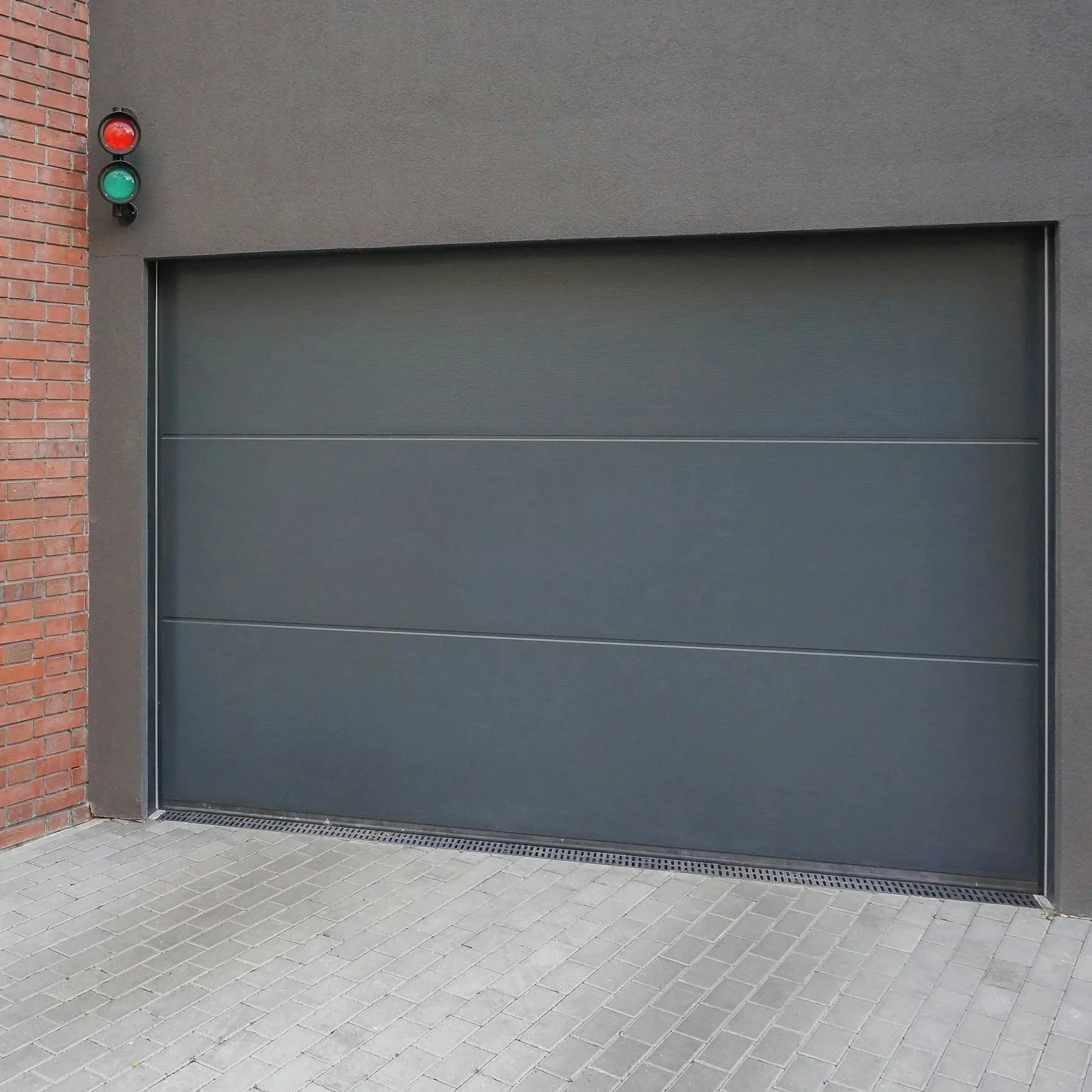
A well-cleaned and properly maintained garage door not only looks great but also operates more reliably, lasts longer, and helps protect your home's energy efficiency and security.
Spring cleaning isn't just about dusting shelves and washing windows — it's also the perfect time to give your garage door some attention. Garage doors are one of the most frequently used components of your home, often exposed to winter grime, dust buildup, pollen, debris, and wear from repeated use. A well-cleaned and properly maintained garage door not only looks great but also operates more reliably, lasts longer, and helps protect your home's energy efficiency and security.
Whether your garage door is steel, aluminum, wood, or insulated, a thoughtful spring cleaning routine will refresh its appearance and ensure smooth operation throughout the warmer months and beyond. This guide walks you through step by step — from exterior cleaning to hardware checks and preventive maintenance.
Why You Should Spring Clean Your Garage Door
Garage doors face unique conditions that merit seasonal cleaning:
• Winter road salt and debris can cause corrosion
• Wind and rain leave behind dirt and grime
• Pollen and dust accumulate on surfaces
• Mechanical parts collect dust and lose lubrication
• Moving parts can develop wear without attention
Spring cleaning your garage door improves curb appeal, prevents premature wear, and makes your everyday routine smoother. It's both a cosmetic and a functional upgrade that pays dividends year-round.
Preparing for Your Garage Door Cleaning
Before you begin, gather the following supplies:
• Mild household detergent or garage-safe cleaner
• Soft cloths and sponges
• A bucket of warm water
• Soft-bristle brush
• Hose with a spray nozzle or pressure washer at a low setting
• Rubber gloves
• Step ladder for upper areas
• Towels for drying
Safety first: make sure the garage door is entirely closed while you clean exterior panels. If you're working with moving parts or near sensors, keep fingers, tools, and loose clothing clear of mechanisms.
Clean the Exterior Door Panels
Start with the garage door's face —the large surface that sets the tone for your home's exterior.
Rinse the door: Use a hose to remove loose dirt and dust. If you have a pressure washer, use the lowest setting to avoid damaging finishes.
Prepare cleaning solution: Mix mild detergent with warm water in a bucket.
Wash door panels: Use a soft cloth or sponge to wash each panel from top to bottom. Focus on areas with bird droppings, stubborn dirt, or staining.
Rinse thoroughly: After scrubbing, respray the door to rinse away soap residue.
Dry panels: Use towels to dry the surface and prevent water spots, especially on metal and painted doors.
For wood garage doors, avoid using harsh detergents. Instead, use cleaners formulated for wood and rinse carefully to prevent warping.
Clean Tracks and Remove Debris
Tracks guide the rollers as the door moves, and keeping them clean is vital for smooth operation.
Inspect tracks: With the door closed, look for buildup along the tracks.
Remove debris: Use a soft brush or clean cloth to clear out dirt, leaves, small stones, or dust.
Avoid harsh solvents: Tracks don't need heavy chemicals — just clean surfaces free of buildup.
Once tracks are clean, check alignment. Misaligned tracks can cause uneven movement and noise.
Clean and Maintain Rollers, Hinges, and Hardware
Moving parts like rollers and hinges often get overlooked, yet they greatly influence door performance.
Wipe rollers and hinges: Use a damp cloth to remove dirt and grime from rollers and hinge points.
Inspect for wear: Look for cracked, rusty, or worn rollers. If they show significant wear, replacement may be necessary.
Lubricate moving parts: After cleaning, apply a garage door lubricant to rollers, hinges, bearings, and other pivot points. This reduces friction, minimizes noise, and supports smooth motion.
Proper lubrication prolongs component life and prevents squeaks or resistance when operating the door.
Clean Weatherstripping and Door Seals
Weatherstripping and door seals keep out drafts, pests, moisture, and dust. Over time, they accumulate dirt and lose flexibility.
Inspect seals: Look for cracks, brittleness, or gaps.
Clean seals: Wipe them down with a damp cloth and mild soap.
Replace damaged seals: If weatherstripping is cracked or missing, replace it to maintain insulation and protection.
Good weatherstripping enhances energy efficiency and prevents water or debris from entering the garage.
Address Garage Door Windows
If your garage door has windows, they need spring cleaning too.
Dust and debris removal: Use a soft brush to remove loose dirt.
Wash glass: Use a mild glass cleaner or a mixture of water and mild detergent.
Dry and polish: Wipe windows dry with a microfiber cloth to avoid streaks.
Cleaning windows brightens the garage and lets in more natural light.
Inspect and Clean the Garage Door Opener Components
Your garage door opener works hard year-round. Spring cleaning includes checking its condition and ensuring proper function.
Inspect the opener rail: Wipe away any dust or dirt buildup.
Check the drive chain or belt: Clean lightly and inspect for wear or slack.
Test safety sensors: Set an object in the door's path and press close to the door to see if it reverses — this confirms sensor functionality.
Test remote and wall controls: Replace batteries if needed and verify signal responsiveness.
Good opener maintenance prevents malfunctions and supports reliable seasonal performance.
Test Door Balance and Operation
After cleaning, test the garage door to verify it operates evenly and smoothly.
Disconnect the opener: Pull the manual release cord.
Lift the door halfway. If it stays in place, the balance is suitable.
If it moves up or down: This could indicate a spring or balance issue that needs professional adjustment.
Balanced doors reduce stress on springs and openers, helping confirm safe operation.
Why Spring Cleaning Helps Prevent Larger Problems
Spring cleaning isn't just cosmetic — it's preventive maintenance. By cleaning and inspecting your garage door early in the year, you:
• Spot worn parts before they fail
• Keep moving components operating smoothly
• Improve safety and reliability
• Maintain seals and weather protection
• Reduce noise during operation
• Extend the lifespan of your system
A proactive approach saves time, reduces repair costs, and keeps your garage door functioning at its best.
Seasonal Considerations for Phoenix Climates
In climates like Phoenix, spring cleaning takes on added importance. Dust and pollen buildup from dry conditions can accelerate wear and clog tracks and sensors. High heat can dry out lubrication and stress seals. Spring cleaning helps counter these effects by removing abrasive debris, refreshing lubrication, and preparing components for heavier summer use.
Pay special attention to tracks, weatherstripping, and lubrication consistency when cleaning in desert or high-dust environments.
How Often Should You Clean Your Garage Door?
Spring cleaning should be a yearly tradition. However, there are additional times when it's wise to clean or inspect your door:
• After heavy storms or dust storms
• After winter or wet weather
• When pollen counts are high
• When operating noise increases
• When door movement feels sluggish
Routine cleaning and maintenance keep your garage door looking good and operating efficiently.
Frequently Asked Questions About Spring Cleaning Your Garage Door
What supplies do I need to clean my garage door?
Basic supplies include a mild detergent or garage-safe cleaner, soft cloths or sponges, a soft-bristle brush, a hose with a spray nozzle, garage door lubricant for moving parts, and clean towels for drying.
Can I use a pressure washer on my garage door?
Yes, a pressure washer can be used carefully. Always select the lowest pressure setting and keep the nozzle at a safe distance to avoid damaging paint, seals, or decorative finishes.
How often should I lubricate garage door parts?
Moving parts should be lubricated at least twice a year, ideally during spring and fall cleaning. Regular lubrication reduces friction, noise, and wear on components.
Why is cleaning weatherstripping important?
Cleaning weatherstripping helps maintain flexibility and proper sealing. This prevents drafts, moisture intrusion, and pest access while extending the life of the seals.
Should I clean both the interior and exterior of the door?
Yes, both sides should be cleaned. Exterior cleaning improves curb appeal and removes environmental buildup, while interior cleaning supports smooth operation and ongoing maintenance.
Phoenician Garage Door & Repair is a licensed, bonded, and insured full-service garage door company offering garage door inspection, garage door replacement, garage door drum replacement, garage door spring replacement, garage door cable repair and replacement, garage door roller replacement, garage door weather seal replacement, and 24-hour garage door emergency services. Call (602) 610-0112.
