
Rust & Corrosion on Garage Door Hinges in Arizona: Causes and Prevention
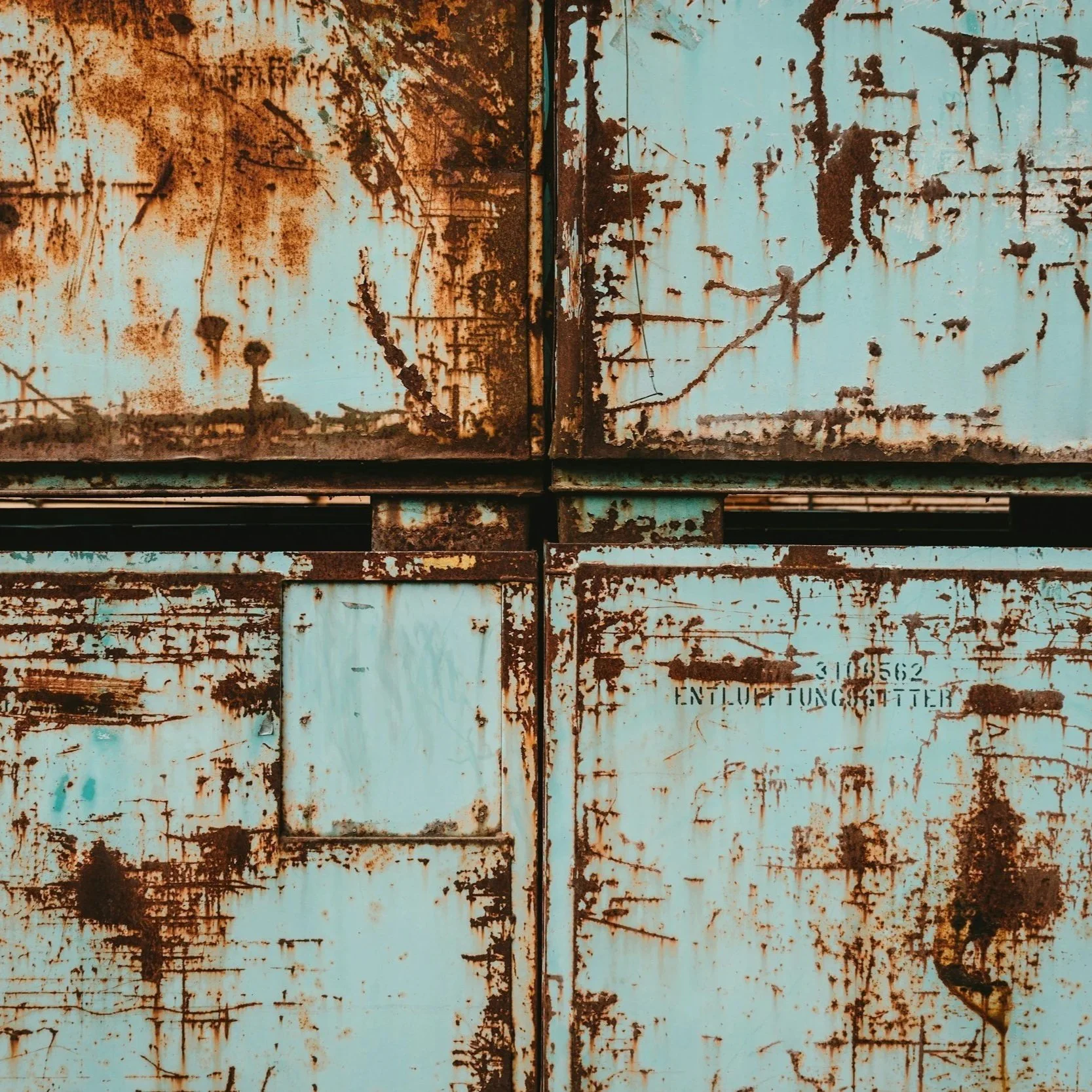
Among all the moving parts, hinges tend to show damage first because they carry weight, absorb movement, and sit directly in the path of temperature swings.
Garage doors across Arizona face an environment that quietly works against their metal components every day. Even doors tucked neatly inside enclosed garages are not immune to the combination of intense heat, airborne dust, mineral residue, and seasonal moisture. Among all the moving parts, hinges tend to show damage first because they carry weight, absorb movement, and sit directly in the path of temperature swings. When corrosion takes hold at the hinge level, it often sets off a chain reaction that affects the entire garage door system. Understanding why hinges corrode, how that corrosion spreads, and what prevention actually looks like in Arizona conditions helps homeowners avoid unnecessary repairs and extend the life of their garage doors.
Why Rust Develops Faster Than Expected in Arizona
Rust requires oxygen and moisture, and while Arizona is known for dry heat, moisture exposure is more common than many homeowners realize. Monsoon storms introduce humidity and wind-driven rain that penetrates small openings around garage doors. Even outside of storm season, overnight cooling causes condensation to form on metal surfaces as warm daytime air meets cooler nighttime temperatures. Garage door hinges are particularly vulnerable because moisture collects inside hinge barrels and around fasteners where airflow is limited. Once water settles in these tight spaces, evaporation slows, giving oxidation more time to develop. Over repeated cycles, even small amounts of moisture lead to visible corrosion.
How Extreme Heat Contributes to Hinge Breakdown
High temperatures accelerate chemical reactions, including oxidation. During Arizona summers, garage door hinges heat up significantly, especially on doors that face west or receive prolonged sun exposure. As temperatures rise and fall each day, metal expands and contracts repeatedly. This constant movement stresses protective coatings and creates microcracks that expose bare steel underneath. Once coatings fail, corrosion progresses rapidly. Uneven sun exposure also explains why some hinges rust faster than others on the same door, even when they appear identical.
Dust, Minerals, and Their Hidden Role in Corrosion
Arizona dust contains fine particles that easily work their way into hinge joints and mounting hardware. On its own, dust seems harmless, but when combined with moisture, it becomes a corrosive agent. Dust absorbs water, holds it against metal surfaces, and mixes with minerals carried by rain and irrigation overspray. This gritty mixture wears down protective finishes while keeping moisture trapped in hinge barrels and fastener recesses. Over time, corrosion accelerates from the inside out, often remaining unnoticed until symptoms become obvious during operation.
Why Hinges Fail Before Other Garage Door Parts
Not all garage door components face the same level of stress. Hinges move constantly, supporting the weight of the door panels while allowing controlled articulation as the door opens and closes. Each cycle introduces friction at the hinge pin and barrel. That repeated movement slowly thins coatings and exposes raw metal faster than static components like tracks or brackets. Once corrosion starts, hinges lose smooth movement and flexibility, making them the first point of failure in many garage door systems.
Recognizing Early Signs of Hinge Corrosion
Early-stage corrosion often looks minor and easy to ignore. Light surface rust, discoloration, or flaking metal around hinge barrels usually appears first. Hinges may begin producing squeaks or resistance during operation, particularly after humid weather or storms. At this stage, the door may still function normally, but subtle changes often appear. Panels may no longer align perfectly, and the door may feel heavier or less balanced during movement. Addressing corrosion early prevents it from escalating into larger mechanical problems.
How Corroded Hinges Affect Door Alignment
Garage doors rely on hinges to distribute weight evenly across panels. When corrosion stiffens hinge movement or weakens hinge structure, that balance shifts. Panels begin to pull unevenly, forcing rollers out of optimal alignment within the tracks.
Over time, this misalignment causes uneven gaps between panels, visible sagging, or binding during operation. Left unaddressed, misalignment increases stress on tracks, rollers, and the opener system, multiplying repair costs.
Noise as an Indicator of Corrosion Problems
Rust increases friction between metal surfaces, which changes how a garage door sounds during operation. Grinding, scraping, or popping noises often indicate that hinges are no longer moving freely. These sounds tend to worsen during temperature changes or after rain when moisture interacts with corroded metal.
Noise patterns help identify problem areas, but they also signal that corrosion has progressed beyond cosmetic damage. Quiet doors rarely stay quiet when hinge corrosion is present.
Why Lubrication Is Not a Corrosion Solution
Lubrication plays an important role in routine garage door maintenance, but it does not reverse corrosion. Applying lubricant over rusted hinges may temporarily reduce noise, but it does not stop oxidation already underway.
In some cases, lubrication can trap moisture inside hinge barrels, accelerating internal corrosion. When noise returns quickly after lubrication, corrosion is usually the underlying issue. Proper treatment requires addressing rust directly, not masking its symptoms.
Corrosion at Fasteners and Mounting Points
Rust does not limit itself to hinge barrels. Fasteners and mounting holes often corrode alongside hinges, weakening their grip on door panels. As metal degrades, bolts loosen, and holes elongate under weight and movement.
This gradual loss of holding strength allows hinges to shift, further compromising alignment. Evaluating the hinge condition without inspecting fasteners misses a critical part of the corrosion problem.
Monsoon Season and Delayed Damage
Monsoon storms often cause damage that appears weeks later rather than immediately. Wind-driven rain forces water deep into hinge joints, carrying dust and minerals along with it. Once the storm passes, moisture remains trapped inside hinge assemblies where airflow is minimal.
As temperatures rise again, corrosion accelerates internally. Many homeowners notice increased noise, stiffness, or alignment problems well after monsoon season ends, making the connection less obvious.
Why Some Hinges Rust Faster Than Others
Hinge material quality plays a major role in corrosion resistance. Low-grade steel hinges with thin coatings deteriorate quickly under Arizona conditions. Improper installation can also contribute by creating gaps that trap moisture around mounting points.
Using mismatched or inferior replacement hinges often leads to uneven corrosion patterns and premature failure. Selecting hinges designed for climate exposure and door weight reduces long-term risk.
How Corrosion Spreads Beyond the Hinges
Hinge corrosion rarely remains isolated. As hinges stiffen or weaken, stress shifts to other components. Rollers experience increased friction against track edges, tracks absorb uneven loads, and panels bear weight in unintended ways. Over time, these secondary stresses cause accelerated wear across the system. Addressing hinge corrosion early protects the entire garage door, not just the affected hardware.
When Corrosion Becomes a Safety Issue
Surface rust may seem cosmetic, but corrosion eventually compromises metal thickness and load capacity. Once structural integrity declines, hinges can crack, bend, or fail unexpectedly. At this stage, garage doors face serious safety risks, including panel separation or derailment. Advanced corrosion requires immediate replacement to restore safe operation and prevent injury or property damage.
Preventive Maintenance That Actually Works
Effective corrosion prevention starts with regular cleaning to remove dust and mineral buildup. Visual inspections identify coating wear, fastener corrosion, and early rust before it spreads internally. Maintenance schedules adjusted for Arizona conditions significantly extend hinge lifespan. Climate-specific care matters more than generic maintenance routines designed for milder regions.
Protective Coatings and Material Selection
Not all hinges are created equal. Galvanized and powder-coated hinges offer better resistance to moisture and oxidation than untreated steel. Higher-grade materials provide longer service life in environments with heat, dust, and seasonal humidity. Selecting hinges based on exposure, door weight, and usage ensures better performance over time. Appearance matters far less than durability in harsh climates.
Why Replacement Is Often the Smarter Choice
Once corrosion penetrates the hinge structure, repairs become unreliable. Even if surface rust is removed, internal damage continues to weaken the metal. Structural strength rarely returns fully after corrosion takes hold. Replacing corroded hinges restores smooth movement, proper alignment, and long-term reliability. Safety and durability outweigh short-term cost savings from temporary fixes.
The Hidden Cost of Ignoring Corroded Hinges
Delaying hinge replacement often leads to additional repairs involving rollers, tracks, panels, and openers. What begins as minor rust can escalate into a system-wide repair project. Early intervention controls costs, prevents breakdowns, and preserves door performance. Proactive care always proves more affordable than reactive repairs.
Why Arizona Garage Doors Require Specialized Attention
Arizona’s environment places unique demands on garage door systems. Heat, dust, and seasonal moisture combine to accelerate metal fatigue and corrosion. Hinges face stress levels that demand careful material selection and ongoing inspection. Garage doors maintained with climate-aware strategies last longer, operate more smoothly, and avoid unexpected failures.
Frequently Asked Questions
What causes garage door hinges to rust in Arizona?
Rust develops from humidity, condensation, dust buildup, and temperature swings that break down protective coatings over time.
Is surface rust on garage door hinges serious?
Surface rust can progress into structural corrosion if left untreated, leading to alignment issues and safety risks.
Can lubrication stop hinge corrosion?
Lubrication reduces friction but does not stop corrosion and may trap moisture inside hinge joints.
How often should hinges be inspected in Arizona?
Annual inspections and post-monsoon checks help catch corrosion before it spreads.
When should corroded hinges be replaced?
Replacement is necessary when corrosion affects strength, smooth movement, or alignment stability.
