
Protecting Garages Against Burglary
Protecting your garage against burglary is not about adding one lock or camera.
Garages are often overlooked when it comes to home security, yet they are among the most common entry points for burglars. Whether attached or detached, garages frequently store high-value items like vehicles, tools, bikes, and equipment, and in many homes, they provide direct access to the house. Because they are used daily and seen as utilitarian spaces, security gaps tend to go unnoticed until a break-in occurs.
Protecting your garage against burglary is not about adding one lock or camera. It requires a layered approach that combines physical reinforcements, smart technology, lighting, and everyday habits. When these elements work together, they significantly reduce the chances of unauthorized access and help protect both your garage and the rest of your home.
Why Garages Are a Common Target for Burglary
Burglars look for convenience, speed, and low visibility. Garages often check all three boxes. Many garages have multiple access points, including large overhead doors, side service doors, windows, and interior doors leading into the home. These areas are frequently less secure than front entrances and are sometimes hidden from street view.
Another factor is routine. Homeowners may leave garage doors open briefly while unloading groceries or working outside, assuming they will close them shortly. Burglars take advantage of these moments. Even a few minutes can be enough for someone to enter, grab valuables, or access the home through an interior door.
Garages also tend to house items that can be used to commit further break-ins. Tools, ladders, and power equipment can help intruders force doors, break windows, or reach upper levels of a home. Securing the garage, therefore, plays a critical role in protecting the entire property.
Strengthening Garage Doors and Entry Points
The garage door itself is the most important component of garage security. Lightweight or aging doors are vulnerable to prying, bending, or forced entry. Reinforced steel garage doors with solid panels provide far better resistance than older aluminum or hollow designs.
Tracks, hinges, and brackets should also be inspected regularly. Loose or damaged hardware can make it easier to force a door open. Reinforcing the door frame and using tamper-resistant fasteners adds another layer of protection, making brute-force entry more difficult.
Side and service doors deserve equal attention. These doors are often standard exterior doors with minimal security. Installing a solid-core door with a heavy-duty deadbolt greatly improves resistance to forced entry. Hinges should be secured with long screws that anchor into the framing, and strike plates should be reinforced to prevent kick-ins.
For attached garages, the interior door connecting the garage to the house should never be overlooked. This door should be treated like a main exterior entrance, complete with a solid core, a quality deadbolt, and a tight seal. Many burglaries escalate simply because the interior garage door is easier to breach than the front door.
Using Smart Technology to Improve Garage Security
Modern garage security has evolved beyond traditional locks. Smart garage door openers and monitoring systems give homeowners visibility and control that was not possible in the past. Newer openers use rolling-code technology, which changes the access code after each use, making it virtually impossible for criminals to capture and reuse a signal.
Smart garage systems also provide real-time alerts. If the garage door opens unexpectedly or is left open for too long, you receive a notification on your phone. This immediate awareness lets you take action quickly, whether that means closing the door remotely or checking security footage.
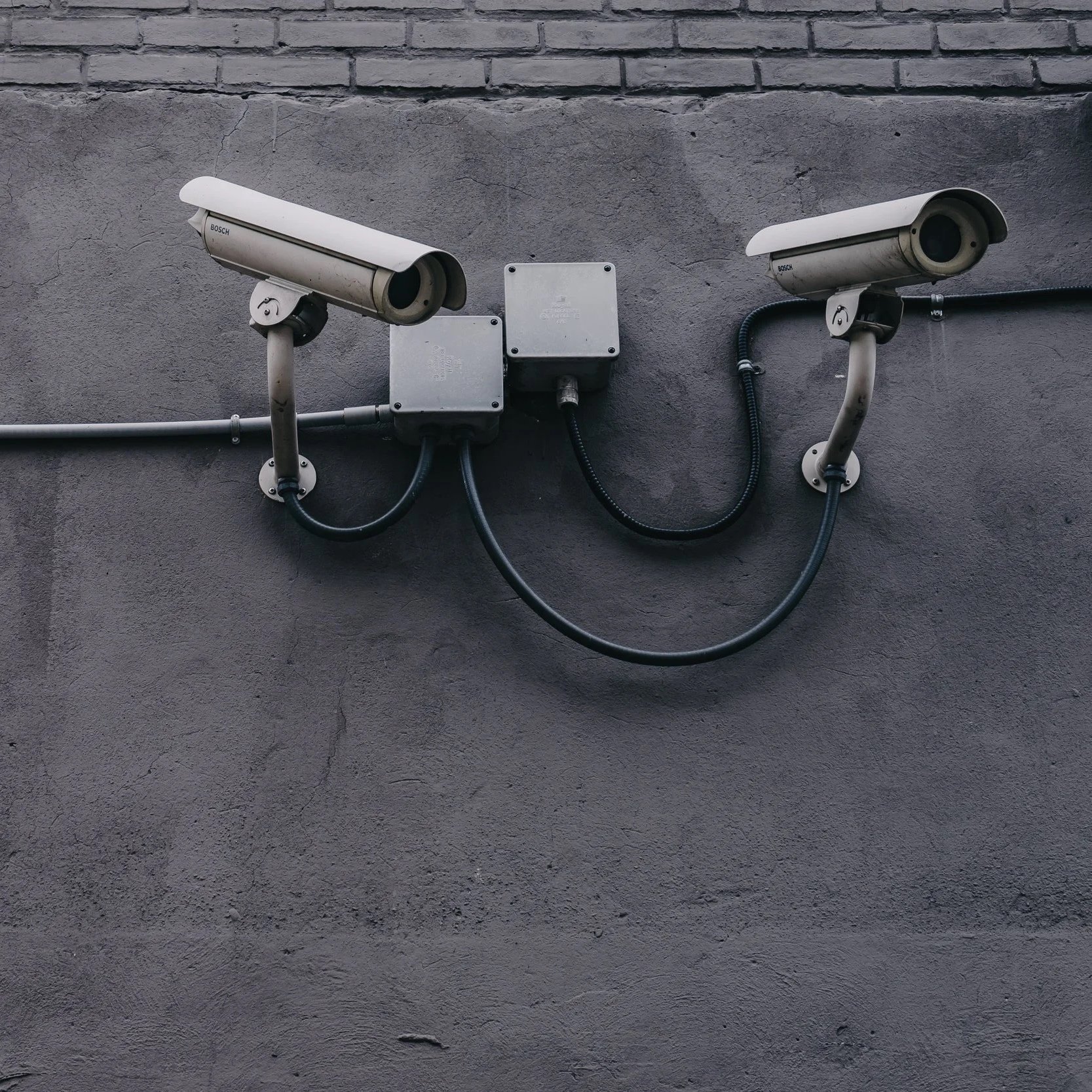
Cameras add another layer of protection. Visible cameras mounted near the garage door or driveway act as strong deterrents, while motion detection alerts notify you of activity outside normal patterns. Even basic camera systems can discourage burglary when combined with lighting and signage.
Alarm sensors on garage doors and windows further increase security. If someone attempts to force entry, the alarm can trigger a loud siren and send alerts, drawing attention and increasing the likelihood that the intruder abandons the attempt.
Lighting, Visibility, and Exterior Design
Lighting is one of the simplest and most effective burglary deterrents. Dark or poorly lit garages provide cover for intruders. Motion-activated lights installed around the garage instantly reveal anyone approaching and eliminate the shadows burglars rely on.
Consistent nighttime lighting also plays a role. Timed or smart exterior lights give the impression that someone is home, even when the house is empty. This perceived occupancy reduces the likelihood of targeted break-ins.
Landscaping should support visibility rather than obstruct it. Overgrown bushes, tall shrubs, and clutter near the garage create hiding spots and blind angles. Keeping the area around garage doors and windows clear improves sightlines and makes suspicious activity more noticeable to neighbors and passersby.
Windows and skylights should also be secured. Locks, reinforced glass, or security film make windows harder to break and delay entry attempts. Even a few extra seconds can be enough to deter a burglar who is trying to avoid attention.
Everyday Habits That Reduce Garage Break-Ins
Technology and hardware mean little if daily habits undermine security. One of the most common mistakes homeowners make is leaving the garage door open, even for a brief time. Developing the habit of closing the door immediately after entering or exiting significantly reduces vulnerability.
Garage remotes should never be left in unlocked vehicles parked outside. If a car is broken into, the remote gives instant access to the garage. Using key-fob storage or smart app controls reduces this risk.
Tools, ladders, and high-value equipment should be stored securely and out of sight. Lockable cabinets or storage cages inside the garage add another layer of protection and prevent burglars from using your own tools against you.
Access codes and smart credentials should be changed periodically, especially if shared with contractors, guests, or service providers. Limiting access and reviewing usage logs helps maintain control over who can enter your garage.
Why Garage Security Protects the Entire Home
Securing your garage is not just about protecting stored items. For many homes, the garage is a direct pathway into living spaces. Once an intruder enters the garage, the house itself becomes much more vulnerable.
A well-secured garage disrupts this pathway. Strong doors, monitored access, good lighting, and smart alerts work together to prevent entry or quickly expose suspicious activity. This layered approach reduces the risk of burglary and increases peace of mind, whether you are home or away.
Investing in garage security is a practical, cost-effective way to strengthen overall home protection. Small upgrades and habit changes can dramatically reduce risk and make your property a less attractive target.
Garage Security and Burglary Prevention FAQs
How do burglars usually break into garages?
Most garage break-ins happen through weak garage doors, unsecured side doors, or garages left open unintentionally. Poor lighting around the garage also provides cover and makes access easier for intruders.
Are smart garage door openers safer than older models?
Yes, modern garage door openers use rolling-code encryption, real-time monitoring, and mobile alerts. These features make them significantly more secure than older fixed-code systems.
Should attached garages be secured differently from detached ones?
Attached garages need additional security because they often provide direct access into the home. Securing interior doors, improving lighting, and monitoring activity are especially important.
Do cameras really deter garage burglaries?
Yes, visible security cameras paired with proper lighting and alert systems greatly reduce burglary attempts by increasing the likelihood of detection and identification.
What is the most effective first step to improve garage security?
Making sure the garage door and all side entrances are sturdy, well-lit, and kept closed at all times is the fastest and most effective way to reduce burglary risk.
Phoenician Garage Door & Repair offers new installation, repairs and openers for garage doors in Maricopa County. Emergency service available. We are licensed, bonded, and insured. Call (602) 610-0112.
