
Preventive Maintenance vs Emergency Repair: What a Garage Door Inspection Saves You
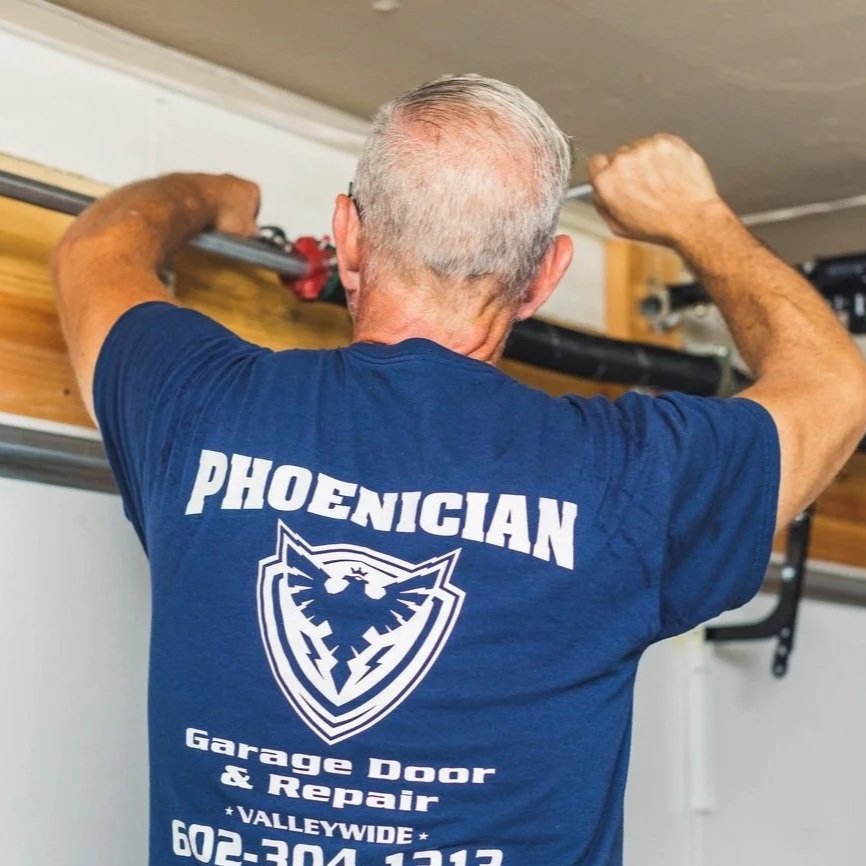
Preventive maintenance focuses on identifying wear while garage doors still operate safely and predictably.
Garage doors in Phoenix, AZ, live a harder life than most homeowners realize. Constant heat, fine desert dust, sudden weather shifts, and daily use all combine to push garage door systems well beyond casual wear. Springs stretch, cables grind, rollers collect debris, and openers quietly absorb extra strain. The difference between preventive maintenance and emergency repair often comes down to whether a professional garage door inspection happened at the right time or not.
Preventive maintenance focuses on identifying wear while garage doors still operate safely and predictably. An emergency repair is needed when something fails, often suddenly and at the most inconvenient moment possible. Understanding what inspections actually save helps homeowners see garage doors as systems worth protecting rather than appliances that only matter when they stop working.
How Garage Door Wear Develops In Phoenix Homes
Garage doors experience stress every time they move, even when everything appears normal. Springs carry constant tension, cables guide heavy loads, and rollers travel the same paths hundreds of times each month. In Phoenix, AZ, heat accelerates metal fatigue while dust increases friction inside moving parts.
Many components wear unevenly, one cable may stretch faster than the other, or one spring may lose tension before its counterpart. These imbalances remain subtle until they affect operation. Preventive inspections catch these patterns early, while emergency repairs happen after an imbalance turns into failure. Homes that rely on garage doors as primary entry points experience even faster wear. Frequent opening and closing cycles magnify every small issue until something finally gives.
What Preventive Garage Door Maintenance Really Includes
Preventive maintenance goes far beyond lubricating hinges or tightening bolts. A professional garage door inspection evaluates the entire system as a working unit. Springs receive tension checks, cables are inspected for fraying, rollers are examined for bearing wear, and tracks are evaluated for alignment.
Balance testing plays a major role. A properly balanced door places minimal strain on openers and moves smoothly throughout its travel. Preventive maintenance restores balance before openers start compensating for excessive weight.
In Phoenix garages, inspections also account for environmental factors. Dust buildup, heat exposure, and sunlight interference all influence how components behave over time. Preventive maintenance adapts to those conditions rather than following generic schedules.
Why Emergency Garage Door Repairs Are So Disruptive
Emergency repairs usually occur after a sudden failure. A spring snaps with a loud bang, a cable frays completely, or a door jams halfway open. These situations often occur early in the morning, late at night, or when the garage door is needed most.
Emergency repairs carry higher costs because they involve urgent service, damaged components, and sometimes collateral repairs. A broken spring may damage cables or bend tracks. A snapped cable can twist panels or strain the opener beyond repair.
In Phoenix, AZ, emergency repairs feel even more urgent because extreme heat makes open garages uncomfortable and security risks more serious. Preventive inspections reduce the likelihood of these scenarios.
The Financial Difference Between Prevention And Repair
Preventive maintenance spreads costs predictably over time. Replacing a worn roller, adjusting spring tension, or addressing minor cable wear costs far less than responding to a full system failure. Inspections help homeowners plan maintenance rather than react to emergencies.
Emergency repairs often involve multiple components because failure rarely affects a single part. A spring failure frequently leads to opener strain. Cable damage often affects track alignment. Panels may suffer cosmetic or structural damage during sudden failure. Preventive inspections help homeowners avoid bundled repair costs that add up quickly during emergencies. Over time, inspections pay for themselves by extending component lifespan.
How Inspections Protect Garage Door Springs
Springs represent one of the most expensive and dangerous garage door components. Preventive inspections look for early signs of fatigue, such as uneven coil spacing, surface corrosion, and changes in door balance. In Phoenix, heat accelerates spring wear by reducing metal elasticity. Preventive maintenance adjusts tension and identifies springs nearing the end of service life before breakage occurs.
An emergency spring replacement is often required after a sudden failure, which may damage surrounding components. Preventive inspection allows controlled replacement under safe conditions rather than a rushed emergency response.
Cable Wear And Why Inspections Matter
Garage door cables quietly carry massive loads and often go unnoticed until failure. Preventive inspections identify fraying, stretching, and alignment issues early. Even small strand damage appears in inspection findings because it indicates reduced strength. Emergency cable failure can cause doors to drop unevenly or jam inside tracks. That sudden movement often damages rollers, hinges, and panels. Repairs quickly escalate beyond cable replacement alone. In Phoenix garages, dust abrasion accelerates cable wear. Preventive inspections remove guesswork and identify issues hidden beneath debris and shadows.
Preventive Maintenance Protects Garage Door Openers
Garage door openers rely on balanced systems to operate efficiently. Preventive inspections reduce opener strain by keeping springs and cables properly adjusted. Openers guide motion rather than lift the full door weight. Emergency repairs often involve opener damage caused by prolonged imbalance or sudden failure. Motors overheat, gears wear down, and electronic components fail under stress. Preventive inspections protect openers from becoming collateral damage. Homeowners avoid premature opener replacement by addressing mechanical issues early.
Safety Risks Reduced Through Preventive Inspections
Garage doors weigh hundreds of pounds and move with significant force. Preventive inspections focus on safety features such as auto reverse systems, photo eye sensors, and manual release mechanisms. Emergency situations often compromise safety. Doors may slam shut, fail to reverse, or become stuck partially open. These scenarios increase injury risk and property damage. Preventive inspections maintain predictable operation and reliable safety response. Phoenix families benefit from reduced risk in busy households with children, pets, and frequent garage use.
The Stress Factor Of Emergency Repairs
Emergency repairs create stress beyond financial cost. Homeowners scramble to secure garages, reschedule work, or delay travel plans. Service availability becomes a concern during peak demand or extreme weather. Preventive maintenance eliminates much of this stress. Scheduled inspections fit into normal routines and avoid crisis situations. In Phoenix, AZ, where heat amplifies discomfort, avoiding emergency repairs brings peace of mind and uninterrupted daily flow.
How Preventive Inspections Support Home Value
Well-maintained garage doors reflect positively on overall property care. Preventive inspection records demonstrate responsible ownership and proactive maintenance habits. Emergency repairs often leave visible scars such as mismatched panels, temporary fixes, or rushed replacements. These issues may affect curb appeal and buyer perception. Preventive maintenance supports a consistent appearance and smooth operation, helping protect home value in competitive Phoenix markets.
Garage Door Inspections For Rental And Multi-User Properties
Rental properties experience higher garage door usage than single-family homes. Preventive inspections help property managers avoid emergency calls that disrupt tenants and increase liability risk. Emergency repairs in rental settings often occur during off-hours, increasing service costs and tenant dissatisfaction.
Preventive maintenance schedules reduce downtime and support predictable operation across multiple units. Phoenix property managers rely heavily on inspections to manage wear driven by frequent use.
Seasonal Timing And Preventive Maintenance
Preventive inspections often align with seasonal changes. Many Phoenix homeowners schedule inspections before peak summer heat to prepare components for increased stress.
Post-monsoon inspections help identify issues caused by wind, debris, and humidity. Preventive adjustments restore smooth operation before problems escalate. Emergency repairs do not respect seasons or schedules. Preventive inspections allow homeowners to choose timing rather than react under pressure.
Why Visual Checks Are Not Enough
Many homeowners believe they can spot garage door problems visually. Unfortunately, many issues develop internally or gradually. Springs may lose tension without visible damage. Cables may fray on the inner side facing away from view.
Preventive inspections involve balance testing, controlled movement evaluation, and hands-on assessment that visual checks cannot replace.
Emergency repairs often reveal issues that inspections would have caught months earlier. Professional evaluation prevents false confidence based on surface appearance.
Local Expertise Makes Preventive Inspections More Effective
Phoenix garage doors face unique challenges that generic maintenance advice does not address. Local professionals understand how heat, dust, and sunlight affect wear patterns. Preventive inspections performed by experienced technicians account for these realities. Recommendations reflect Phoenix conditions rather than average manufacturer assumptions. Emergency repairs often expose the cost of ignoring local factors. Preventive inspections adapt maintenance to the environment where garage doors actually operate.
Long-Term Cost Control Through Inspections
Preventive maintenance turns unpredictable repair expenses into manageable upkeep. Homeowners budget for inspections rather than scrambling for emergency funds.
Emergency repairs often combine multiple failures into a single costly event. Preventive inspections break those costs into smaller, planned actions. Over years of ownership, preventive inspections represent one of the most cost-effective strategies for maintaining garage doors in Phoenix, AZ.
Professional Perspective On Prevention Versus Repair
Professional garage door services view preventive maintenance as the foundation of reliability. Inspections protect components, support safety, and extend system lifespan. Emergency repair remains necessary at times, but professionals know most failures develop slowly. Inspections exist to interrupt that progression. Phoenix homeowners who prioritize preventive inspections experience fewer disruptions, lower repair costs, and greater confidence in daily garage door operation.
Preventive Garage Door Inspection FAQs in Phoenix, AZ
What does a preventive garage door inspection include in Phoenix, AZ?
A preventive inspection evaluates springs, cables, rollers, tracks, balance, openers, and safety systems. It identifies early wear influenced by Phoenix heat and dust before failure occurs.
How often should garage doors be inspected to avoid emergency repairs?
Most residential garage doors benefit from annual inspections. Homes with heavy daily use or older systems often schedule inspections every six months to reduce the risk of emergency repairs.
Are emergency garage door repairs more expensive than preventive maintenance?
Emergency repairs typically cost more due to the urgency of the service and additional damage caused by sudden failure. Preventive inspections reduce those costs by addressing issues early.
Can preventive maintenance really stop garage door failures?
Preventive maintenance significantly reduces failure risk by correcting wear patterns before components reach breaking points. While no system lasts forever, inspections greatly improve reliability.
Why do garage doors fail more often in Phoenix, AZ?
Extreme heat, dust, and frequent use accelerate wear on springs, cables, and openers. Preventive inspections tailored to Phoenix conditions help counteract those effects.
Residents in Phoenix, AZ, and surrounding areas can count on Phoenician Garage Door & Repair for all garage door roller replacement, garage door weather seal replacement, and 24-hour garage door emergency service. As a licensed, bonded, and insured company, we take pride in offering top-notch workmanship, using the highest quality parts. We assure prompt response and same-day service. Schedule your service today!
