
Photo Eye Sensors & Auto-Reverse Testing: The Most Overlooked Garage Door Safety Check
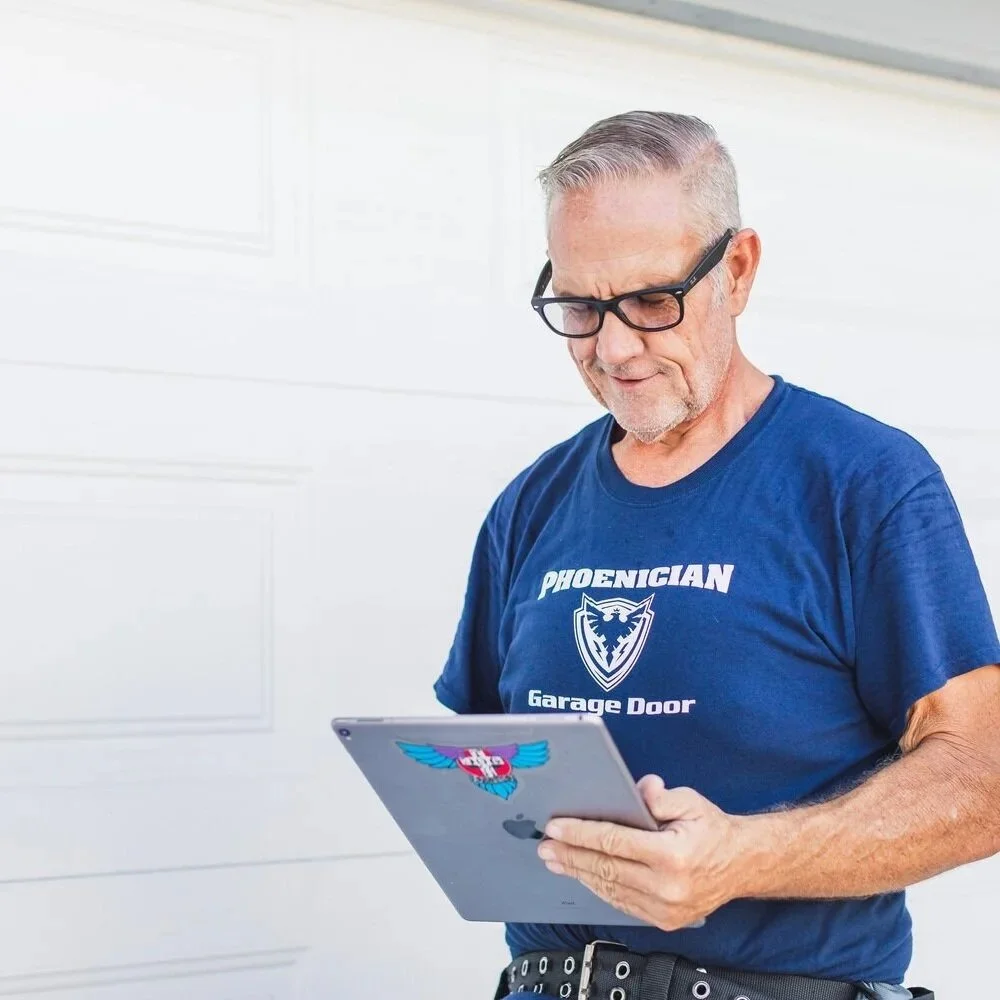
Professional garage door services place heavy emphasis on these systems because when they fail, consequences move quickly from inconvenient to dangerous.
Garage doors in Phoenix, AZ operate in an environment that quietly tests every safety feature built into them. Relentless sun exposure, airborne dust, vibration from daily use, and seasonal weather shifts all affect how garage doors respond in real life. Among all components, photo eye sensors and auto-reverse systems remain the most misunderstood and least appreciated, even though they play a direct role in preventing injuries and costly property damage. Professional garage door services place heavy emphasis on these systems because when they fail, consequences move quickly from inconvenient to dangerous.
Many homeowners only think about garage door safety after something goes wrong. A door closes too fast, reverses without reason, or fails to stop when something crosses its path. By that point, the system has already drifted outside safe operating limits. Professional inspections focus on proactive testing that accounts for Phoenix conditions, daily usage patterns, and how garage doors actually behave over time, rather than how they are supposed to behave on paper.
Why Photo Eye Sensors Deserve More Attention
Photo eye sensors sit low to the ground, quietly sending an invisible beam across the garage door opening. When that beam breaks, the door should stop or reverse instantly. That simple process protects people, pets, and property without requiring any action from the homeowner. Because the system works silently, many people assume it always functions correctly.
In reality, photo-eye sensors can degrade gradually. Dust coats the lenses, sunlight interferes with the signal, vibration knocks alignment out of place, and wiring connections loosen with heat exposure. A sensor might still appear functional while responding more slowly than it should, creating a risk during busy moments when timing matters.
Professional testing evaluates how quickly and consistently sensors respond under real conditions. In Phoenix, AZ, sunlight angle alone can change sensor behavior throughout the year. Testing takes those variables into account rather than relying on visual checks that miss performance issues.
The Role Auto-Reverse Systems Play In Everyday Safety
Auto-reverse systems act as the second layer of protection for garage doors. If a door encounters resistance while closing, the system should immediately reverse direction. That response limits the force applied to objects or people underneath the door and prevents crushing injuries.
Auto-reverse performance depends on accurate force settings, smooth mechanical movement, and properly balanced doors. When any of those factors drift, doors may hesitate before reversing or fail to reverse at all. Homeowners often overlook early warning signs because doors continue opening and closing normally.
Professional testing applies controlled resistance to verify that auto-reverse systems respond quickly and reliably. Phoenix homes benefit greatly from this testing because heat affects lubrication, component expansion, and mechanical resistance, all of which influence how much force a door applies during closing.
Why Phoenix Conditions Accelerate Sensor And Auto-Reverse Problems
Phoenix's climate places unique stress on garage door safety systems. Extreme heat affects electronic components, dries out wiring insulation, and changes how materials expand and contract throughout the day. Dust accumulation happens faster than in many regions and interferes with sensor lenses and moving parts.
Sunlight presents another challenge. Certain times of day create direct glare into photo eye sensors, especially on west-facing garages. That glare can disrupt the beam and cause intermittent failures that appear random to homeowners.
Monsoon season adds humidity and wind-driven debris into the mix. Moisture affects connections while debris knocks sensors slightly out of alignment. Professional inspections account for these seasonal influences rather than assuming uniform conditions year-round.
Common Sensor Issues Found During Professional Inspections
Professional garage door technicians regularly find photo eye sensors coated with fine dust that reduces signal clarity. Even thin layers can interfere with accurate detection. Alignment problems are also common, especially in garages where vibration from daily use gradually shifts mounting brackets.
Wiring issues rank high as well. Heat exposure loosens connections over time and dries insulation, making wires more vulnerable to damage. Low-mounted wiring also attracts rodents and accidental impacts from storage items.
Improper installation contributes to many issues. Sensors mounted too high, angled incorrectly, or loosely attached fail to perform as designed. Professional inspections correct placement and restore reliable operation without relying on temporary adjustments.
Why Auto-Reverse Failures Often Go Unnoticed
Auto-reverse systems rarely draw attention unless they fail completely. Doors still open and close, so homeowners assume safety systems remain intact. Gradual changes in resistance or force sensitivity often go unnoticed during daily routines.
Professional testing reveals whether a door reverses within safe thresholds rather than under extreme force. Doors that require excessive pressure to reverse create a serious risk, especially for children and pets. In Phoenix, AZ, lubrication breakdown and material expansion alter resistance levels over time. Without testing, those changes quietly push systems outside safe limits while doors appear functional.
How Professionals Test Photo Eye Sensors Correctly
Professional testing starts with visual inspection of sensor lenses, brackets, and wiring. Technicians clean lenses, confirm secure mounting, and verify proper alignment along the beam path. Indicator lights provide diagnostic clues that professionals know how to interpret accurately.
Testing involves placing obstructions at different points along the beam to verify the immediate response. Professionals observe reaction time rather than just whether reversal occurs. Slow response indicates developing problems, even if reversal still happens. Technicians also test sensor performance under varying light conditions when possible. Phoenix sunlight creates unique challenges that require adjustments homeowners may not anticipate.
Professional Auto-Reverse Testing Methods
Auto-reverse testing uses controlled resistance applied to the closing door. Technicians verify that reversal occurs promptly and consistently across multiple cycles. Testing includes monitoring opener behavior, motor strain, and sound changes that indicate resistance issues.
Professionals evaluate force settings without masking underlying problems. Increasing force may allow a door to close, but it compromises safety and accelerates component wear. Proper testing focuses on correcting mechanical issues that affect sensitivity. Testing also considers system interaction. Springs, rollers, tracks, and balance all influence resistance. A professional evaluation looks at the entire system rather than isolating the opener.
Safety Risks Linked To Ignoring These Systems
Garage doors weigh hundreds of pounds and move with significant force. When photo eye sensors or auto-reverse systems fail, doors can cause serious injury. Accidents often happen quickly and without warning, especially in busy households. Property damage represents another risk. Vehicles, bicycles, tools, and stored items suffer damage when doors fail to reverse. Even minor incidents often cost more than preventive inspections. Phoenix households with children, pets, or frequent garage use are at increased risk. Reliable safety systems protect daily routines and reduce anxiety around garage door operation.
How Reliable Safety Systems Support Long-Term Performance
Well-functioning photo eye sensors and auto-reverse systems contribute to overall garage door health. Fewer failed closures reduce opener strain and wear on mechanical components. Balanced resistance protects motors, gears, and rails from overwork. Reliable operation also improves homeowner confidence. Doors respond predictably, which supports smooth daily flow in homes where garages act as primary entry points. In Phoenix, AZ, where garages often connect directly to living spaces, dependable operation improves comfort and convenience while limiting disruptions.
Why Visual Checks Fall Short
Visual checks confirm that sensors appear aligned, but they do not measure response speed or reliability. Auto-reverse systems may look fine while responding too slowly under real conditions. Professional testing goes beyond appearance. Technicians simulate real-world scenarios and verify consistent performance across multiple cycles. That level of evaluation protects households far more effectively than surface checks. Attempting adjustments without training introduces risk. Professional services deliver accurate testing while protecting homeowners from injury and unintended system damage.
Recommended Testing Frequency For Phoenix Homes
Annual professional testing works well for most residential garage doors in Phoenix, AZ. Homes with older systems, heavy daily use, or frequent sensor interference often benefit from testing every six months. Testing also makes sense after repairs, opener replacement, or structural changes around the garage opening. Post-monsoon inspections help identify issues caused by wind, moisture, and debris. New homeowners frequently schedule testing shortly after moving in to identify inherited problems early and establish a maintenance baseline.
Cost Advantages Of Preventive Safety Testing
Preventive testing reduces emergency service calls caused by sensor or auto-reverse failures. Emergency repairs often come with higher costs and inconvenient timing. Avoiding property damage adds further savings. Even minor garage door accidents quickly exceed inspection costs. Longer component lifespan also delivers value. Openers, springs, and hardware last longer when safety systems function correctly and reduce unnecessary strain.
Professional Perspective On Garage Door Safety Systems
Professional garage door services treat photo eye sensors and auto-reverse systems as essential, not optional. Technicians view safety systems as interconnected with mechanical performance and environmental conditions. Local experience matters. Professionals familiar with Phoenix, AZ, understand how sunlight, heat, and dust affect safety systems over time. That insight shapes testing and adjustment strategies that generic approaches miss. Reliable safety systems protect more than garage doors. They protect people, property, and peace of mind.
Garage Door Photo Eye Sensor and Auto-Reverse FAQs in Phoenix, AZ
What are photo eye sensors on garage doors in Phoenix, AZ?
Photo eye sensors are safety devices installed near the base of garage door tracks. They send an invisible beam across the opening and stop or reverse the door when an obstruction breaks that beam.
How often should photo eye sensors and auto-reverse systems be tested in Phoenix, AZ?
Most homes benefit from professional testing once per year. Properties with heavy garage door use or frequent sunlight interference often schedule testing every six months due to local climate factors.
Why does my garage door reverse randomly?
Random reversal often points to sensor misalignment, dust buildup, sunlight interference, or resistance affecting auto-reverse sensitivity. Professional testing identifies the exact cause and corrects it.
Can Phoenix sunlight interfere with garage door sensors?
Yes. Intense sunlight at certain angles can disrupt sensor communication. Professional adjustments and testing help maintain reliable performance despite glare.
Do auto-reverse systems wear out over time?
Auto-reverse systems rely on mechanical and electronic components that change with use and heat exposure. Regular professional testing keeps response levels within safe operating ranges.
Phoenician Garage Door & Repair is a garage door repair and service company serving Phoenix, AZ, and surrounding areas. Whether you need off-track garage door repair or garage door panel repair and replacement, our team is committed to providing lasting solutions. Our highly trained professionals have the knowledge, tools, and experience to resolve any garage door issue. We are licensed, bonded, and insured, and open 24-hours. Call us.
