
How To: Garage Organization
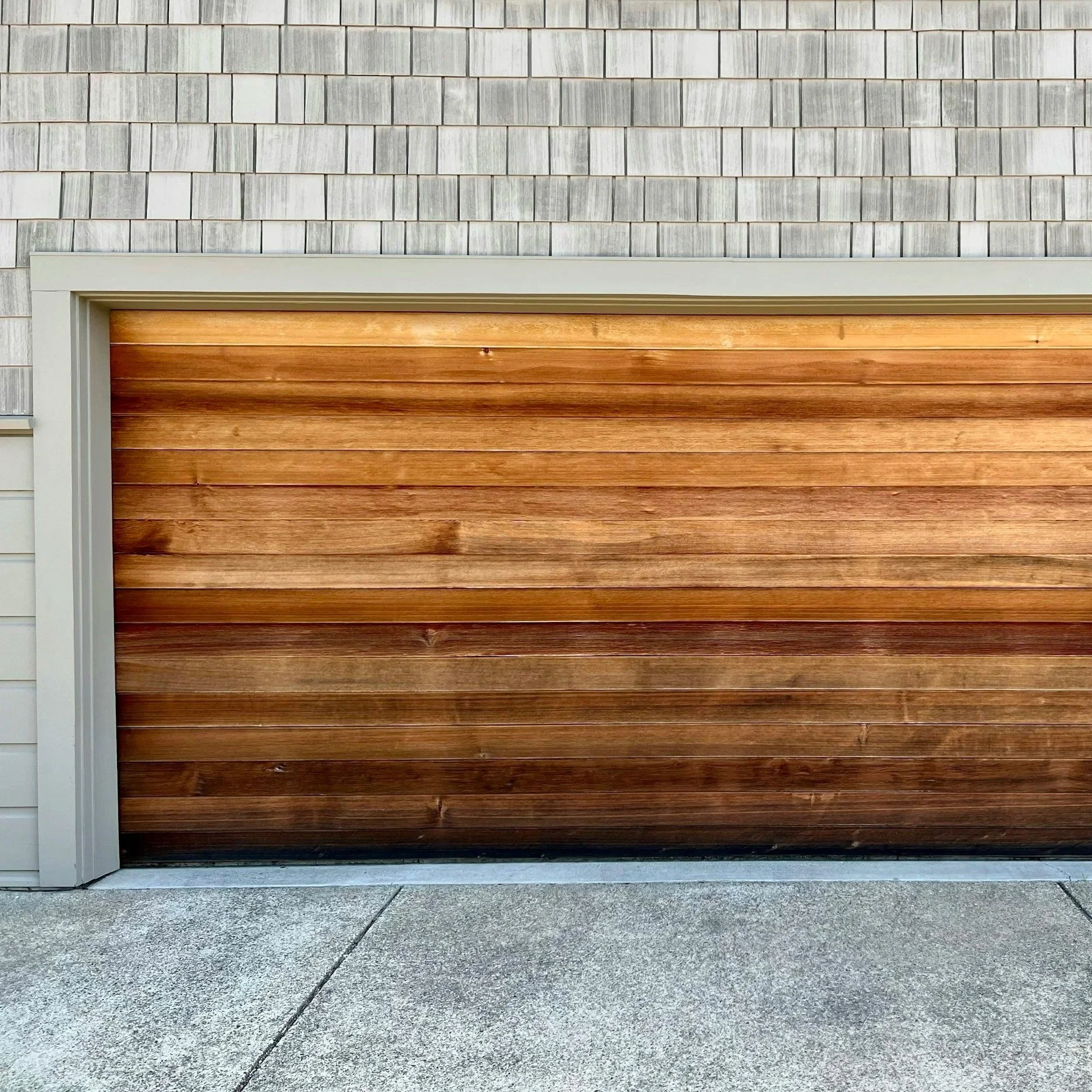
The good news is that with a smart organizational plan, your garage can become a clean, functional area that works for your lifestyle rather than against it.
Your garage is one of the most versatile spaces in your home — but it’s also the one most likely to turn into a catch-all for tools, toys, seasonal items, sports gear, gardening equipment, and random boxes. A cluttered garage can make finding what you need difficult, create safety hazards, and reduce usable space for parking or hobby areas. The good news is that with a smart organizational plan, your garage can become a clean, functional area that works for your lifestyle rather than against it.
Garage organization isn’t just about putting things away; it’s about designing systems that maximize vertical and horizontal space, create logical zones for different types of items, and make it easy to maintain order over time. An organized garage increases efficiency, reduces stress, protects your possessions, and even adds value to your home.
Below is a complete guide to help you transform your garage into an organized, purposeful area — whether you’re just starting out or tackling years of accumulated clutter.
Start with a Thoughtful Plan
Before you buy shelves, bins, or hooks, step back and evaluate what you really have and how you use your garage. Ask yourself:
• What items do I use most often?
• What can be stored seasonally or less frequently?
• Do I park a car here, or is the space mainly storage?
• What activities do I want the space to support (workshop, gym, hobby zone)?
Your answers will shape the zones you create and the storage solutions you select. Planning also helps you avoid buying storage systems you don’t need or putting things in places that don’t make sense in everyday use.
Declutter Before You Organize
One of the biggest mistakes people make is organizing before decluttering. The result is beautifully stored chaos — neat piles of things you never use. Before you buy storage products, clear out the garage and sort items into categories:
• Keep — things you use regularly
• Store — things you keep but rarely use
• Donate — things in good condition you no longer need
• Recycle/Dispose — broken or obsolete items
Be honest during this step. If you haven’t used something in a year and it won’t be useful again, it’s often better to let it go. The fewer items you have to organize, the more efficient the system will be.
Divide Your Garage into Functional Zones
To make your garage more intuitive, divide it into zones based on how you use the space. Common zones include:
Everyday Access Zone: Items you use weekly or seasonally, like gardening tools or sports gear.
Tool and Workshop Zone: Power tools, hand tools, hardware, and workbench space.
Storage Zone: Seasonal decorations, camping gear, luggage, and boxes.
Automotive Zone: Car care supplies, tires, jump cables, and fluids.
Hobby or Activity Zone: A place to exercise, build, craft, or pursue passions.
When you designate areas by function, it becomes easier to know where to put things, find things, and keep the space organized over time.
Maximize Vertical Space with Wall Storage
Vertical space is one of the most underutilized storage opportunities in garages. Walls and overhead areas can dramatically expand your storage capacity without crowding the floor.
Wall Shelves and Cabinets: Sturdy shelves keep totes, small bins, and tools visible and accessible. Cabinets with doors hide clutter and protect items from dust.
Slatwall or Pegboard Systems: These versatile panels allow hooks, baskets, and racks to be repositioned easily as your storage needs change.
Hooks and Hangers: Long-handled tools, bikes, ladders, and hoses can be hung on the wall, freeing up floor space and keeping items off the ground.
Overhead Storage Racks: Ceiling-mounted racks are perfect for storing rarely used items like holiday decorations or camping gear.
Using wall and ceiling space not only opens up valuable floor area but also makes things easier to find and reduces tripping hazards.
Choose the Right Storage Containers
Clear plastic bins with labels are a game-changer for garage organization. Unlike cardboard boxes, plastic bins stack neatly and protect contents from moisture, pests, and dust. When you can see what’s inside and have clear labels, seasonal items and rarely used gear become easy to locate.
Bins also make it easy to group similar items — fishing gear in one, car care products in another, holiday lights together, and so on. For odd-shaped items or frequently used tools, consider open crates or baskets that don’t require unstacking.
Install a Workbench and Tool Storage
Even if you don’t consider yourself a craftsman, having a dedicated work surface makes your garage feel more intentional and functional. A workbench anchored against a wall with a pegboard above it offers both a project surface and storage for tools, hardware, and accessory bins.
Magnetic tool strips, drawer organizers, and labeled containers for nails and screws keep your workspace efficient. Arrange tools by frequency of use, keeping everyday tools within easy reach and less-used tools higher or in cabinets.
Create a Sports and Recreation Area
Sports equipment can quickly take over a garage floor if not contained. Wall-mounted racks for balls, helmets, and bats, and bins for smaller gear, keep everything visible and easy to grab on the way out the door. Consider a shoe rack or cubby system so cleats, sneakers, and sandals are stored neatly and don’t track mud into the house.
If your family has multiple sports interests, designate labeled bins or shelves for each activity so nothing gets lost or mixed up.
Organize Seasonal and Holiday Items
Seasonal decorations and holiday items are necessary but used infrequently. Storing these items high on overhead racks or in labeled bins keeps them out of the way during daily routines.
Group similar seasons together — all winter items in one area, summer gear in another — to reduce the time spent searching when the seasons change.
Don’t Forget Garage Door Clearance and Safety Zones
While organizing, leave clearance around the garage door tracks and opener mechanisms. Bins, shelves, or equipment too close to the door path can interfere with safe operation or become hazards. Keep at least a few feet of clear space in front of and beside the garage door path so it can open and close without obstruction.
Ensure that safety sensors, wires, and control panels remain unobstructed and accessible. A clutter-free perimeter protects both people and the door mechanism.
Label Everything for Quick Access
Labels are one of the most underrated organizational tools. Whether you’re using bins, cabinets, or bins on shelves, clear labels save time and frustration. When your family knows exactly where to return each item, maintaining the system becomes far easier.
Effective labels can be simple printed tapes, chalkboard stickers, or even color-coded tags for different categories or users.
Keep a Seasonal Maintenance Routine
Even the best system unravels without periodic maintenance. Set a seasonal reminder to assess your garage organization — clean out any items you no longer need, adjust racks or shelves based on new needs, and re-label as necessary.
A quick seasonal sweep takes little time and prevents the gradual creep of clutter that turns an organized garage back into a messy one.
Frequently Asked Questions About Garage Organization
What’s the first step in organizing a garage?
Start by decluttering. Sort items into keep, store, donate, and dispose categories before adding shelving, cabinets, or storage systems.
How often should I reorganize my garage?
Seasonal check-ins about four times a year help maintain organization and allow adjustments as storage needs change.
Are plastic bins better than cardboard boxes?
Yes. Plastic bins protect items from moisture and pests, stack more securely, and allow clear labeling for easy identification.
Should I use wall storage or floor storage first?
Begin with wall storage. Using vertical space clears floor areas and maximizes room before adding cabinets or freestanding storage.
What items should remain within easy reach?
Frequently used items such as tools, sports equipment, and garden supplies should be stored at or below eye level for convenient access.
Phoenician Garage Door & Repair offers new installation, repairs and openers for garage doors in Maricopa County. Emergency service available. We are licensed, bonded, and insured. Call (602) 610-0112.
