
How Often Should You Get a Garage Door Inspection in Phoenix?
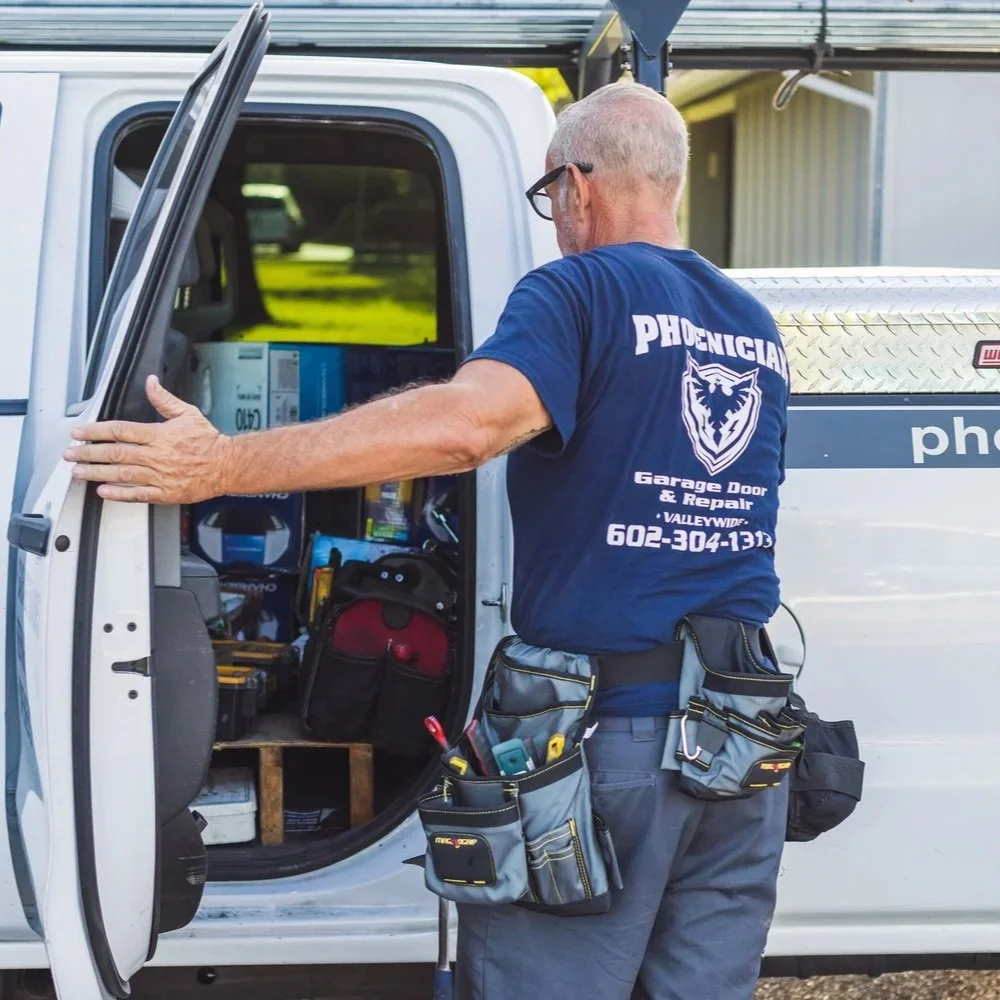
Professional garage door inspections focus on preventing those moments, not reacting to them, and they play a critical role in keeping properties functional, secure, and surprisingly quiet.
Living in Phoenix, AZ, means garage doors work overtime. Daily temperature swings, intense sunlight, airborne dust, and monsoon moisture all contribute to how quickly garage door systems age. Many homeowners think of inspections only after a noisy opener, a stuck panel, or a door that suddenly refuses to close. Professional garage door inspections focus on preventing those moments, not reacting to them, and they play a critical role in keeping properties functional, secure, and surprisingly quiet.
Garage doors represent one of the largest moving systems attached to a home. Springs, cables, rollers, tracks, hinges, panels, and openers all move together in tight coordination. When one component drifts out of alignment or wears faster than expected, strain spreads throughout the system. In Phoenix, AZ, that strain accelerates faster than many homeowners realize due to climate-specific conditions that shorten the lifespan of materials.
Why Garage Door Inspections Matter In Phoenix Homes
Heat remains the primary challenge for garage doors in Phoenix, AZ. Metal components expand during high daytime temperatures, then contract as evenings cool. Over time, that repeated movement affects track alignment, fasteners, and spring tension. Rubber seals and plastic components also dry out faster under desert sun exposure, which impacts insulation and weather protection around the garage opening.
Dust creates another layer of stress. Fine desert particles settle into rollers, bearings, hinges, and opener rails. As debris accumulates, friction increases, and components work harder to perform basic movements. Professional inspections address these conditions before friction turns into premature failure, noisy operation, or safety concerns.
Monsoon season introduces a different challenge. Sudden humidity and wind-driven debris place temporary but intense stress on garage doors. Inspections help confirm that panels remain secure, tracks stay anchored, and safety systems continue responding correctly when conditions change quickly.
Recommended Inspection Frequency For Phoenix Properties
For most residential properties in Phoenix, AZ, professional garage door inspections work best on an annual basis. Annual inspections allow technicians to identify early wear patterns, adjust spring balance, lubricate moving parts, and confirm that safety features operate properly. Homes with newer garage door systems still benefit from yearly inspections because even modern materials respond to heat and dust exposure over time.
Certain situations justify more frequent inspections. Homes with older garage doors often benefit from inspections every six months. Doors installed before modern safety standards may have aging springs, outdated opener technology, or hardware that no longer performs reliably under current use demands. Rental properties and multi-vehicle households also place heavier daily use on garage doors, which accelerates wear.
Commercial properties in Phoenix typically require quarterly inspections due to higher traffic volume, heavier door assemblies, and increased liability concerns. Consistent inspections protect business operations while reducing the risk of unexpected downtime.
Signs A Garage Door Inspection Should Happen Sooner
Waiting for scheduled inspections works well when systems operate smoothly. Certain warning signs suggest an inspection should happen sooner. Unusual noises like grinding, popping, or scraping often indicate misalignment or worn hardware. A door that feels heavier than usual when opening manually may point to a spring imbalance. Slower response times from openers can signal internal strain or sensor issues.
Visual clues also matter. Frayed cables, loose bolts, rust spots, or gaps between rollers and tracks deserve immediate attention. Garage doors that reverse unexpectedly or fail to respond consistently to wall controls or remotes require professional evaluation for safety reasons. Ignoring these signs often leads to more extensive repairs later. Inspections address root causes rather than surface symptoms, which saves time and money over the long term.
What A Professional Garage Door Inspection Covers
Professional inspections focus on the entire garage door system rather than isolated parts. Technicians evaluate springs for proper tension and fatigue, confirming balance remains within safe operating ranges. Cables receive close inspection for fraying, corrosion, or stretching that could compromise door stability.
Rollers and hinges undergo checks for smooth movement and proper alignment. Tracks receive measurements to confirm straightness and secure mounting to framing. Fasteners are tightened where needed to prevent gradual loosening from vibration and temperature changes.
Garage door openers receive diagnostic attention as well. Inspections verify force settings, travel limits, and responsiveness to safety sensors. Photo eye alignment and auto reverse functionality receive testing to protect people, pets, and vehicles.
Weather seals and bottom gaskets receive evaluation for cracking, compression loss, or UV damage. In Phoenix, AZ, intact seals help regulate garage temperatures and protect interior spaces from dust infiltration.
The Role Of Inspections In Extending Garage Door Lifespan
Garage doors represent a long-term investment. Inspections help protect that investment by catching small issues before they grow. A properly balanced door places less strain on springs and openers, extending the lifespan of both. Clean and lubricated hardware reduces friction that accelerates metal fatigue.
Panels also benefit from inspections. Minor alignment issues corrected early prevent stress fractures, warping, or cosmetic damage that affects curb appeal. In neighborhoods across Phoenix, AZ, well-maintained garage doors support property values while enhancing daily convenience.
Inspections also provide valuable documentation. Service records help homeowners track maintenance history and support warranty claims when applicable. Buyers and inspectors appreciate documented care when evaluating homes for sale.
How Phoenix Climate Influences Inspection Timing
Seasonal timing matters in Phoenix. Many homeowners schedule inspections in late spring before peak summer heat arrives. That timing allows technicians to adjust systems for higher temperature stress and address wear accumulated over cooler months.
Post-monsoon inspections also provide value. Wind, moisture, and debris can shift tracks or introduce contaminants that impact operation. Addressing those changes promptly restores smooth performance heading into fall and winter.
New homeowners in Phoenix, AZ often schedule inspections shortly after moving in. Even if garage doors appear functional, inspections reveal hidden wear that may not surface immediately but could become costly later.
Safety Considerations Drive Inspection Value
Garage doors weigh hundreds of pounds and rely on high-tension springs to operate safely. Inspections protect households by identifying conditions that increase accident risk. Faulty springs, misaligned tracks, or malfunctioning sensors can lead to sudden door movement or failure.
Professional inspections prioritize safety adjustments without the risks associated with do-it-yourself attempts. Trained technicians work with specialized tools and follow established safety procedures when handling high-tension components. Families with children or pets benefit significantly from consistent inspections. Reliable safety features provide peace of mind while supporting daily routines.
Cost Efficiency Of Regular Garage Door Inspections
Many homeowners worry that inspections add unnecessary expense. In practice, inspections reduce overall costs by preventing major repairs. Replacing worn rollers costs far less than repairing damaged tracks. Adjusting the spring balance early avoids emergency spring replacement later.
Inspections also reduce unexpected service calls. Garage door failures often happen at inconvenient times, such as early mornings or late evenings. Preventive inspections reduce disruption while maintaining reliable access to garages.
Energy efficiency also improves when seals and alignment remain intact. In Phoenix, AZ, reduced air infiltration helps regulate temperatures in attached garages, which supports indoor comfort and utility savings.
Garage Door Inspections For New Construction And Renovations
Newly installed garage doors still benefit from inspections within the first year. Settling structures and initial hardware break-in can shift alignment slightly. Early inspections fine-tune performance and confirm installations meet manufacturer specifications.
Renovations that alter framing, insulation, or flooring around garages also warrant inspections. Changes to openings or thresholds affect how doors sit within tracks and seal against surfaces. Inspections adjust systems to match updated conditions.
Home additions that change traffic patterns or usage frequency may increase daily cycles on garage doors. Inspections adapt maintenance schedules to match new demands.
Choosing A Professional Garage Door Inspection Service In Phoenix
Local experience matters when selecting inspection services. Professionals familiar with Phoenix, AZ, conditions understand how heat, dust, and seasonal weather affect garage doors. Local technicians recognize common failure points specific to desert environments.
Professional services offer transparent inspection reports with clear explanations. Homeowners benefit from understanding current system health and future maintenance considerations without pressure. Trusted providers focus on long-term performance rather than short-term fixes.
Scheduling flexibility also matters. Many Phoenix households rely on garages as primary entry points, so inspections that minimize disruption fit daily routines better.
Garage Door Inspection FAQs for Phoenix, AZ Homes
How often should garage doors be inspected in Phoenix, AZ?
Most residential garage doors benefit from professional inspections once per year in Phoenix, AZ. Homes with older doors, heavy daily use, or rental properties often schedule inspections every six months to address accelerated wear from heat and dust exposure.
What happens during a garage door inspection in Phoenix, AZ?
A professional inspection evaluates springs, cables, rollers, tracks, panels, hardware, opener systems, and safety sensors. Technicians adjust alignment, lubricate moving parts, and identify wear patterns influenced by Phoenix climate conditions.
Are garage door inspections necessary for new homes in Phoenix, AZ?
New homes still benefit from inspections within the first year. Initial settling and frequent use can affect alignment and balance. Early inspections help fine-tune performance and protect warranties.
Can Phoenix heat damage garage door components?
High temperatures in Phoenix, AZ, accelerate wear on springs, seals, rollers, and electronic components. Inspections identify heat-related fatigue early, reducing the risk of sudden failures during peak summer months.
Do garage door inspections improve home value in Phoenix, AZ?
Well-maintained garage doors enhance curb appeal, safety, and functionality. Inspection records demonstrate responsible ownership, which appeals to buyers and inspectors during real estate transactions in Phoenix, AZ.
