
Garage Door Spring & Cable Inspection: How to Spot Wear Before a Dangerous Failure
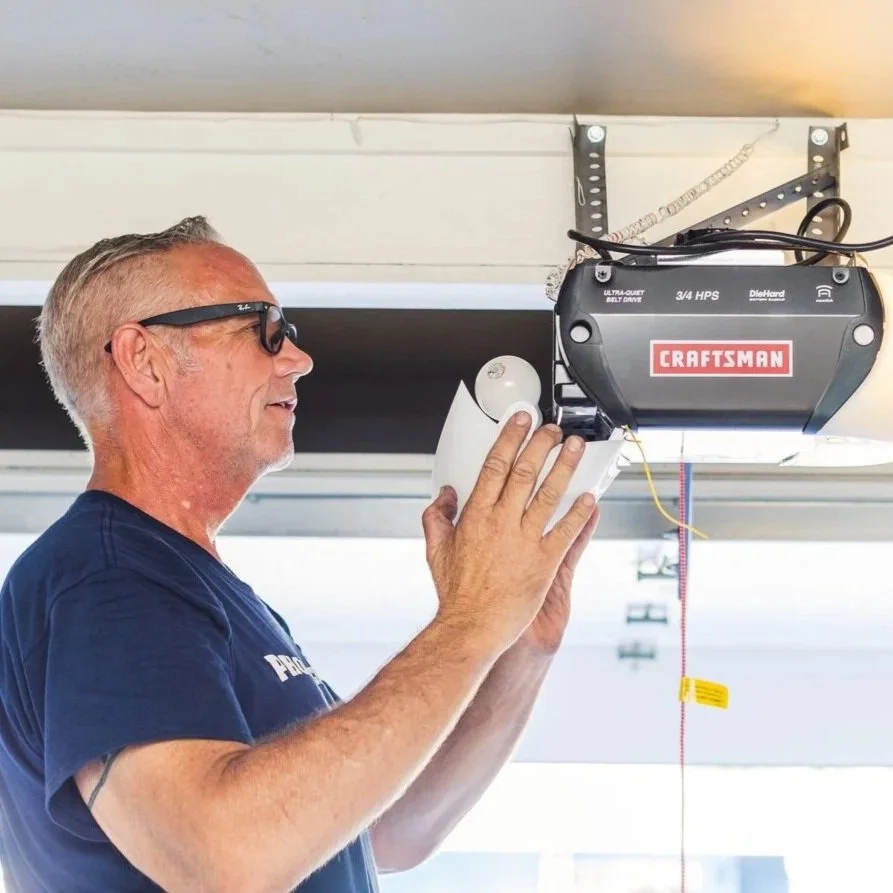
Heat, dust, daily use, and seasonal weather shifts all influence how springs and cables age, making regular professional inspection especially important in desert climates.
Garage doors in Phoenix, AZ, operate under conditions that quietly accelerate wear on some of the most critical components in the entire system. Springs and cables handle immense tension every time a garage door opens or closes, yet they receive far less attention than panels or openers. Professional garage door services treat spring and cable inspections as essential because failure in either component can turn a routine day into a dangerous and expensive situation without warning. Heat, dust, daily use, and seasonal weather shifts all influence how springs and cables age, making regular professional inspection especially important in desert climates.
Many homeowners only notice spring or cable problems after something dramatic happens. A loud bang echoes through the garage, the door slams shut unexpectedly, or the opener suddenly struggles to lift the door. By that point, damage has already occurred, and safety may already be compromised. Professional inspections focus on identifying early wear patterns long before failure happens, protecting not only the garage door system but also the people and property around it.
Why Springs And Cables Matter More Than Most Realize
Springs and cables carry nearly all the weight of garage doors. Springs counterbalance the door so it can move smoothly, while cables guide that controlled movement along the tracks. When both components function properly, the door feels light, predictable, and stable throughout its travel. Openers simply guide motion rather than fight gravity.
As wear begins, the system compensates quietly. Springs stretch slightly beyond their optimal range, cables absorb extra load, and openers work harder to keep doors moving. Those compensations hide problems from view until components approach failure. Professional inspections focus on identifying those subtle changes early, long before dramatic symptoms appear.
Phoenix, AZ, adds extra stress to this equation. High temperatures affect metal elasticity, dust increases friction, and frequent daily use compounds the strain. Professional garage door services account for these regional factors when evaluating spring and cable condition.
How Phoenix Climate Accelerates Spring Wear
Garage door springs remain under constant tension, even when doors are closed. Phoenix heat causes metal to expand during the day and contract at night, gradually weakening spring steel. Over time, that repeated cycle reduces elasticity and changes how evenly springs carry weight.
Torsion springs mounted above the door and extension springs along the tracks both suffer from heat-related fatigue. Dust combined with monsoon moisture accelerates surface corrosion, even in garages that appear dry most of the year. Light rust affects spring strength and consistency far sooner than many homeowners expect. Professional inspections look for early indicators such as uneven coil spacing, surface corrosion, and changes in door balance. Identifying these signs early allows corrective action while conditions remain safe and controlled.
Why Cable Wear Is Often Overlooked
Garage door cables rarely draw attention because they operate quietly and remain partially hidden. These steel cables support a tremendous load and guide the door evenly during movement. When cables begin wearing unevenly, the door compensates silently until the problem becomes severe.
Fraying represents one of the most dangerous cable issues. Individual strands break gradually, reducing overall strength while the cable still appears intact at a glance. Professional inspections identify fraying early, long before a cable snaps under tension. In Phoenix garages, cables also suffer from dust abrasion and heat exposure. Misaligned drums cause cables to rub against surfaces they should never contact. Professional inspections correct alignment issues that accelerate cable deterioration.
Common Signs Of Spring Wear Found During Inspections
Professional technicians frequently identify early spring wear that homeowners miss. One of the most common signs involves doors feeling heavier during manual lifting. Springs that no longer counterbalance weight evenly force openers to take on more lifting responsibility.
Visual indicators also play an important role. Gaps in torsion spring coils signal loss of tension, while extension springs may appear longer or stretched beyond their original length. Surface rust, flaking, or pitting indicates compromised steel integrity.
Operational sounds provide additional clues. Popping, grinding, or snapping noises during door movement often indicate springs struggling to consistently manage the load. Professional inspections evaluate these symptoms together rather than in isolation.
How Cable Issues Develop Over Time
Cable problems usually appear gradually rather than suddenly. Doors may start closing unevenly, with one side reaching the floor before the other. That uneven movement increases stress on springs, rollers, hinges, and tracks. Visible fraying near bottom brackets or along cable drums represents a serious warning sign. Even a small number of broken strands significantly reduces cable strength and increases failure risk. Professional inspections also check for slack, improper drum seating, and signs of rubbing. In Phoenix, AZ, dust accumulation can conceal these issues unless components are examined closely and methodically.
The Dangerous Reality Of Sudden Spring Or Cable Failure
When springs or cables fail, garage doors lose their ability to move safely. Springs can break with explosive force, sending metal fragments outward and damaging nearby property. Cable failure may cause doors to drop suddenly or twist violently inside the tracks. These failures often occur without warning once components reach their limit. Professional inspections reduce this risk by identifying wear long before catastrophic failure happens. Phoenix homeowners face increased risk because heat and dust shorten component lifespan. Preventive inspections offer protection against failures that often occur at the most inconvenient times.
How Professionals Inspect Springs And Cables Safely
Professional spring and cable inspections begin with a thorough visual assessment under proper lighting. Technicians look for corrosion, wear patterns, alignment issues, and tension irregularities while following strict safety protocols around high-tension components.
Balance testing follows visual inspection. Disconnecting the opener allows technicians to assess how well springs counterbalance the door’s weight. Doors that drift upward or slam downward signal tension problems tied to spring wear or cable imbalance.
Mounting points, drums, brackets, and fasteners also receive attention. Secure attachment plays a critical role in how load is distributed across the system. Professional inspections address both component condition and system interaction.
Why DIY Observation Misses Critical Issues
Springs and cables operate under extreme tension and pose a serious injury risk. Visual checks from a distance rarely reveal internal fatigue or strand failure. Attempting adjustments without proper training significantly increases danger.
Professional garage door services use specialized tools and experience to evaluate conditions safely. Technicians understand how minor visual cues translate into mechanical risk, something casual observation cannot reliably determine. Phoenix's climate further complicates assessment. Heat-related wear progresses differently than in cooler regions, making professional evaluation especially important for accurate diagnosis.
How Spring And Cable Wear Affects Other Garage Door Components
When springs lose tension, openers compensate by lifting more weight than designed. Motors strain, gears wear prematurely, and electronic components overheat. Cable imbalance causes uneven lifting that twists panels and stresses hinges.
Over time, these secondary effects multiply repair costs. Professional inspections protect openers, panels, and hardware by restoring proper load distribution before collateral damage spreads. Balanced systems operate more quietly and smoothly, supporting both safety and everyday convenience.
Inspection Frequency Recommendations For Phoenix Homes
Most residential garage doors in Phoenix, AZ, benefit from professional spring and cable inspections once per year. Homes with older systems, heavy daily use, or rental properties often schedule inspections every six months.
Inspections also make sense after major weather events, opener replacement, or structural changes around the garage opening. New homeowners frequently schedule inspections shortly after moving in to identify inherited wear early. Regular inspection schedules align maintenance with local climate demands and usage patterns rather than arbitrary timelines.
Cost Advantages Of Early Wear Detection
Replacing worn springs or cables proactively costs far less than responding to emergency failures. Emergency service calls often involve additional repairs caused by sudden damage to openers, tracks, or panels. Avoiding collateral damage adds further savings. Professional inspections support predictable maintenance planning instead of reactive repair decisions. In Phoenix, AZ, proactive care allows homeowners to budget confidently while reducing the likelihood of disruptive garage door breakdowns.
Professional Perspective On Safety And Reliability
Professional garage door services treat springs and cables as the backbone of safe operation. Inspections focus on immediate condition while also evaluating long-term performance outlook.
Local experience matters. Technicians familiar with Phoenix conditions recognize wear patterns specific to desert environments. That insight guides recommendations tailored to local realities rather than generic averages. Reliable springs and cables protect more than garage doors. They protect people, vehicles, property, and daily routines.
Garage Door Spring and Cable Inspection FAQs in Phoenix, AZ
How often should garage door springs and cables be inspected in Phoenix, AZ?
Most homes benefit from annual professional inspections. Properties with older garage doors or heavy daily use often schedule inspections every six months due to accelerated wear from heat and dust.
What are the warning signs of failing garage door springs?
Common signs include doors feeling heavy, uneven movement, loud popping noises, visible gaps in spring coils, and slower opener performance. Professional inspections identify issues before failure occurs.
Can worn cables cause garage doors to fall?
Frayed or damaged cables can snap under load, causing doors to drop suddenly or lift unevenly. Professional inspections identify cable wear early to prevent dangerous situations.
Does Phoenix heat shorten the lifespan of garage door springs?
High temperatures affect metal elasticity and accelerate fatigue. Springs in Phoenix, AZ, often wear faster than in cooler climates, making regular inspections especially important.
Is it safe to inspect garage door springs and cables without professional help?
Springs and cables operate under extreme tension and pose a serious injury risk. Professional inspections provide an accurate evaluation while protecting homeowners from unnecessary danger.
The factory trained technicians at Phoenician Garage Door & Repair in Phoenix, AZ, offer garage door inspection, garage door drum replacement, garage door spring replacement, and garage door cable repair and replacement. Our trucks are equipped with top-quality replacement parts to ensure prompt and efficient repairs. Licensed, bonded, and insured. Call us for same-day service.
