
Garage Door Opener Inspection: Chain vs Belt vs Screw Drive (What to Check)
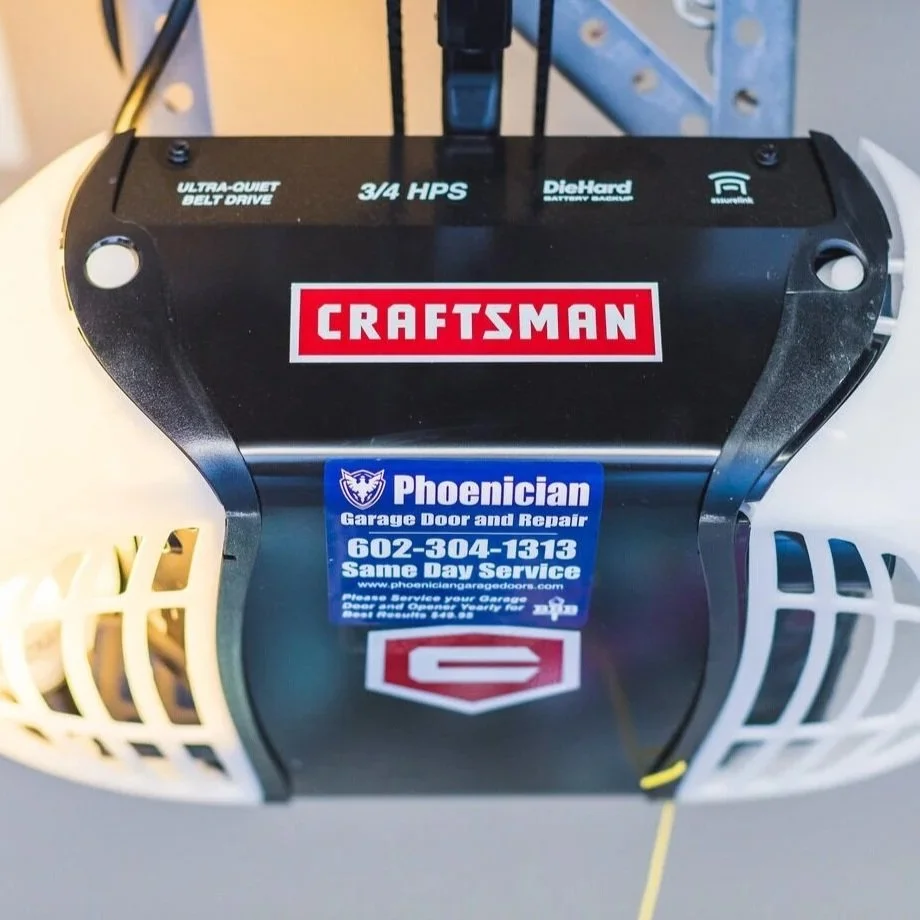
A professional garage door opener inspection looks beyond whether the motor turns on.
Garage doors in Phoenix, AZ, depend heavily on their openers to perform reliably in extreme conditions. While the door itself gets much of the attention, the opener quietly determines how smoothly, safely, and consistently the entire system operates. A professional garage door opener inspection looks beyond whether the motor turns on. It evaluates how the opener interacts with springs, cables, tracks, and panels under real-world conditions shaped by heat, dust, and daily use.
Chain, belt, and screw drive openers all serve the same purpose, yet they behave very differently over time. Each design responds specifically to Phoenix climate stress, vibration, and wear. Professional inspections focus on identifying early performance changes so homeowners avoid unexpected breakdowns, excessive noise, or costly emergency repairs tied to opener failure.
Why Garage Door Opener Inspections Matter In Phoenix
Garage door openers are designed to guide movement, not lift the full door weight. When springs lose balance or hardware wears unevenly, the opener absorbs stress it was never meant to handle. In Phoenix, AZ, heat accelerates that process by affecting lubrication, electronic components, and motor efficiency.
Many opener issues develop gradually. A motor may run slightly louder, a rail may vibrate more than usual, or response time may slow by seconds rather than minutes. These subtle changes often escape notice until failure occurs. Professional inspections capture those early indicators and connect them to underlying mechanical causes.
Garage doors commonly function as primary entry points in Phoenix homes. Reliable opener performance directly affects daily routines, security, and comfort, especially during extreme summer temperatures.
How Professional Opener Inspections Are Performed
Professional garage door opener inspections evaluate both the opener itself and how it interacts with the door system. Technicians examine mounting stability, rail alignment, drive mechanism condition, and motor response. Opener settings receive review to confirm that force and travel limits correspond to door weight and balance.
Inspections also include operational testing. Professionals listen for unusual sounds, observe movement consistency, and measure response time across multiple cycles. Safety features such as auto reverse and photo eye sensors receive careful testing because opener behavior influences their dependability. In Phoenix garages, inspections account for environmental exposure. Dust accumulation, heat-related wear, and sunlight interference all factor into performance assessments.
Chain Drive Garage Door Openers Under Inspection
Chain drive openers use a metal chain to move the trolley along the rail. These openers remain popular due to durability and affordability, especially for heavier garage doors. Professional inspections focus on chain condition, tension, lubrication, and rail wear.
Over time, chains stretch and develop slack. Excessive slack creates jerky movement, increased noise, and uneven force transfer. Professional inspections identify early chain stretch before it affects sprockets or damages the motor.
In Phoenix, AZ, heat accelerates lubrication breakdown. Dry chains increase friction and noise while placing additional strain on gears. Inspections often reveal the need for adjustment or maintenance long before chain failure becomes visible.
Noise levels receive special attention during chain drive inspections. While chain drives naturally produce more sound than other types, sudden increases in noise indicate wear or misalignment that professionals address proactively.
Belt Drive Garage Door Opener Inspection Focus
Belt drive openers use reinforced rubber or polyurethane belts instead of metal chains. These systems operate more quietly and appeal to homeowners with attached garages or living spaces above the garage.
Professional inspections examine belt condition for cracking, glazing, or stretching. While belts do not require lubrication like chains, they still degrade over time due to heat exposure and tension.
Phoenix temperatures affect belt flexibility. Prolonged heat exposure can harden belt material, reducing shock absorption and increasing vibration. Inspections identify early stiffness that affects smooth operation.
Technicians also inspect pulleys and tensioning systems. Belt alignment plays a key role in performance, and even slight misalignment leads to premature wear. Professional inspections correct these issues before belt replacement becomes necessary.
Screw Drive Garage Door Opener Inspection Considerations
Screw drive openers operate using a threaded steel rod that moves the trolley directly. These systems feature fewer moving parts, which appeals to residents looking for lower maintenance designs.
Professional inspections focus on the condition of the screw, lubrication quality, and carriage wear. Screw drive systems rely heavily on proper lubrication to reduce friction and heat buildup. In Phoenix, AZ, heat accelerates lubricant breakdown on screw drive rods. Inspections often reveal dry or contaminated lubricant that increases wear and noise. Professionals address lubrication needs before damage occurs.
Comparing Noise And Vibration Across Opener Types
Noise levels serve as valuable diagnostic tools during inspections. Chain drive openers produce audible metal contact, but sudden increases in noise often signal wear. Belt drives typically operate quietly, so new sounds stand out clearly during professional evaluation. Screw drive openers produce a distinct hum during operation. Changes in pitch or vibration often indicate lubrication issues or component wear. Professional inspections identify these changes early.
In Phoenix homes, vibration travels through framing more easily due to temperature expansion. Inspections assess how vibration transfers through mounting points and suggest adjustments to reduce noise complaints.
Force Settings And Why They Matter
Garage door opener force settings determine how much resistance the motor applies during operation. Professional inspections verify that force settings remain appropriate for door weight and balance.
Force settings that creep upward often indicate mechanical resistance elsewhere in the system. Rather than masking problems by increasing force, professional inspections identify root causes such as spring imbalance or track friction. In Phoenix, heat-related expansion affects resistance levels. Inspections tune settings thoughtfully rather than relying on generic defaults. Improper force settings compromise safety. Doors may fail to reverse promptly when encountering resistance. Professional inspections protect people and property by restoring appropriate sensitivity.
Travel Limits And Operational Accuracy
Travel limits control how far garage doors open and close. Professional inspections verify that doors reach full open and closed positions without straining components. Doors that stop short or overtravel create unnecessary stress on openers and hardware. Inspections identify misadjusted limits that contribute to wear. In Phoenix garages, temperature changes affect door expansion and contraction. Professional inspections account for these choices to maintain accurate travel limits year-round.
Safety System Integration With Openers
Garage door openers play a central role in safety system performance. Professional inspections test photo eye sensors and auto reverse systems in conjunction with opener behavior. Sensor response time, wiring condition, and alignment receive evaluation. Inspections also verify that the opener responds immediately when sensors detect obstructions. Sunlight interference continues to be a common issue in Phoenix, AZ. Professional inspections adjust sensor placement and opener sensitivity to maintain reliable performance.
Manual Release Functionality
Manual release mechanisms allow garage doors to operate during power outages or opener failure. Professional inspections test release engagement and disengagement under safe conditions.
Doors should move smoothly by hand when disconnected from the opener. Resistance during manual operation often indicates balance or track issues that affect opener strain.
In Phoenix, power outages during storms make manual release reliability especially important. Professional inspections confirm that homeowners can rely on this feature when needed.
Mounting Stability And Structural Support
Garage door openers rely on secure mounting to framing and ceiling structures. Professional inspections examine mounting brackets, fasteners, and support angles for stability.
Vibration loosens hardware over time, especially in Phoenix homes where expansion and contraction occur daily. Inspections tighten and reinforce mounting points to prevent noise and alignment issues. Proper mounting protects opener components and reduces stress on rails and drive systems.
How Opener Wear Affects Garage Doors
Opener performance directly influences door wear. Jerky movement, uneven force application, and delayed response increase stress on springs, cables, and panels.
Professional inspections view the opener as part of a system rather than a standalone device. Adjustments focus on restoring harmony between the opener and door components. In Phoenix, in conditions where environmental stress accelerates wear, integrated inspections protect the entire garage door system.
Inspection Frequency Recommendations For Phoenix Homeowners
Most residential garage doors benefit from annual professional opener inspections in Phoenix, AZ. Homes with heavy daily use, older openers, or frequent exposure to extreme heat often require inspections every 6 months.
Inspections also make sense after door repairs, spring replacement, or opener upgrades. New homeowners frequently schedule inspections shortly after moving in to establish a baseline. Regular inspections align maintenance with local climate demands rather than relying on manufacturer averages.
Cost Savings Through Preventive Opener Inspections
Preventive inspections reduce emergency opener repairs by identifying wear early. Replacing belts, adjusting chains, or restoring lubrication costs far less than motor replacement. Emergency repairs frequently include collateral damage caused by prolonged strain. Preventive inspections protect openers from premature failure and extend service life. In Phoenix, AZ, avoiding emergency repairs also reduces discomfort and security concerns during extreme temperatures.
Professional Perspective On Opener Reliability
Professional garage door services approach opener inspections with durable performance in mind. Technicians evaluate functionality trends rather than isolated symptoms. Local experience matters. Professionals familiar with Phoenix conditions recognize wear patterns specific to heat and dust exposure. Reliable garage door openers support daily convenience, safety, and peace of mind under harsh circumstances.
Garage Door Opener Inspection FAQs in Phoenix, AZ
What does a professional garage door opener inspection include in Phoenix, AZ?
A professional inspection evaluates the opener motor, drive system, rail alignment, force settings, travel limits, safety systems, mounting stability, and how the opener interacts with the garage door under Phoenix climate conditions.
Which garage door opener type lasts longest in Phoenix heat?
Longevity depends more on maintenance and door balance than drive type. Chain, belt, and screw drive openers all perform well when professionally inspected and adjusted for heat-related wear.
Why is my garage door opener louder than before?
Increased noise often points to wear, misalignment, or lubrication breakdown. Professional inspections identify the underlying cause rather than masking symptoms.
How often should garage door openers be inspected?
Most homes benefit from annual inspections. Heavy use or older openers often require inspections every six months in Phoenix, AZ.
Can opener inspections prevent full replacement?
Inspections identify early wear that allows targeted repairs and precise adjustments. Preventive care often extends opener lifespan and delays the need for full replacement.
Phoenician Garage Door & Repair is an established and dependable garage door service and repair company in Phoenix, AZ. From garage door opener installation, and garage door opener repair to smart garage door opener upgrades, our licensed and insured technicians deliver quality results every time. Call now to schedule an appointment. We offer same-day service.
