
Garage Door Inspection for New Homeowners: What to Check in the First 30 Days
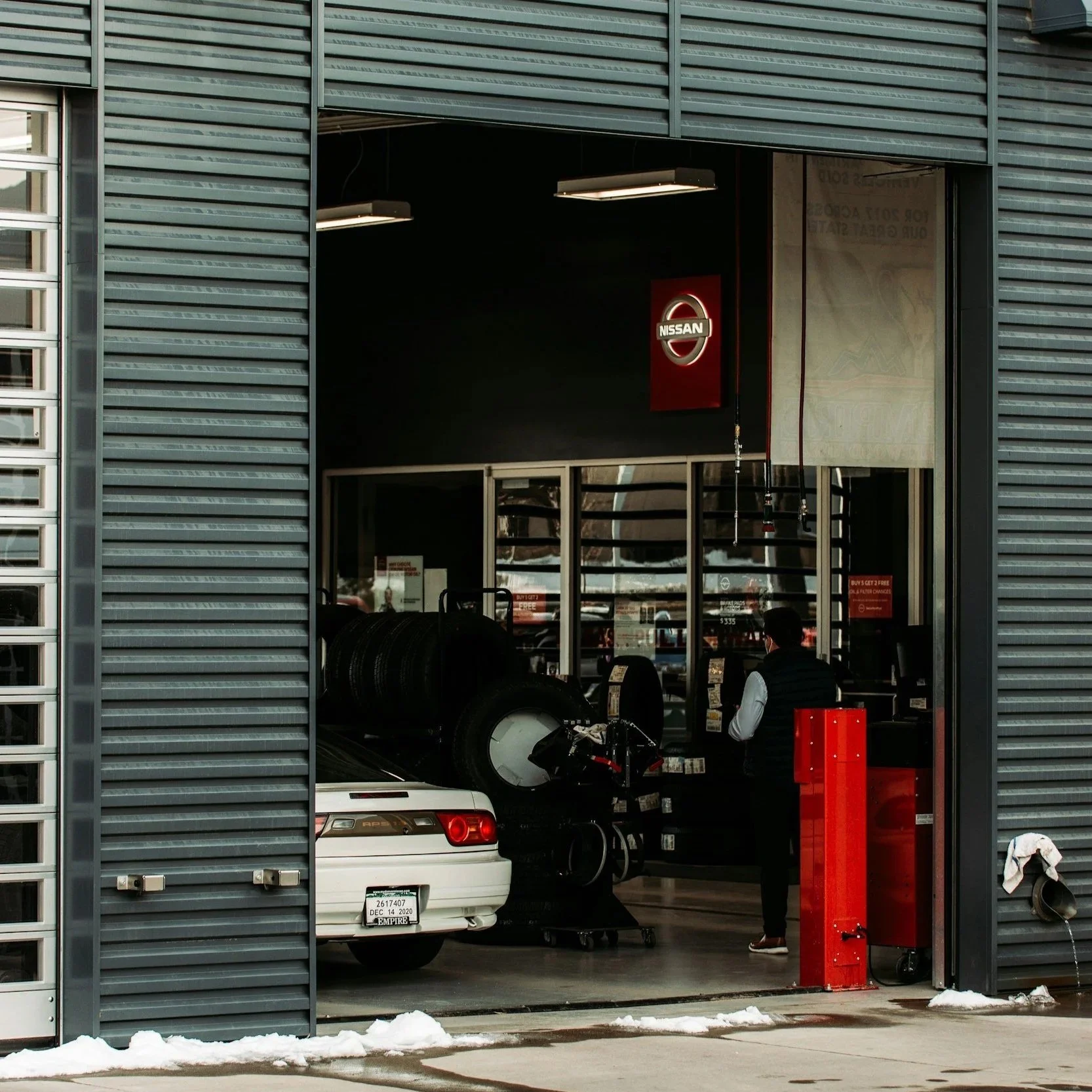
Sounds stand out, movement patterns repeat, and reliability matters when the garage becomes a primary entry point rather than an occasional convenience.
Moving into a new home in Phoenix, AZ, brings excitement, packed boxes, schedule changes, and a long list of priorities competing for attention. Garage doors often fall low on that list because they appeared to function well during walkthroughs and showings. Once daily routines begin, however, garage door behavior becomes far more noticeable. Sounds stand out, movement patterns repeat, and reliability matters when the garage becomes a primary entry point rather than an occasional convenience.
Garage doors are among the largest and most frequently used moving systems in any home. In Phoenix, heat, dust, and seasonal weather shifts accelerate wear on components that may already have years of use behind them. A professional inspection within the first 30 days helps new homeowners understand the actual condition, prior maintenance habits, and realistic expectations for future service needs before small problems become disruptive ones.
Why The First 30 Days Matter For Garage Doors
The first month of ownership reveals real-world behavior that short tours never uncover. Garage doors may have opened smoothly during a scheduled showing, but behave differently once opened repeatedly throughout the day. Noise, vibration, hesitation, and uneven movement become easier to spot as routines settle in and usage increases.
Previous owners often adapt to gradual changes without realizing anything is wrong. A door that pauses briefly or makes extra noise may have become background noise over time. New homeowners benefit from a fresh perspective and professional evaluation before those quirks turn into safety concerns or unexpected repair costs.
In Phoenix, AZ, early inspection also helps identify heat-related fatigue that does not always show visually. Springs, cables, rollers, and openers often experience functional wear long before obvious damage appears, making early assessment especially valuable.
Overall Operation And Daily Performance
Professional inspections begin by observing how garage doors operate during normal cycles. Technicians watch how smoothly the door travels from fully closed to fully open positions and back again. Hesitation, shaking, uneven lifting, or delayed response often signal mechanical wear or balance issues that deserve attention.
Daily performance matters because garage doors frequently serve as primary entry points. Doors that feel sluggish or unpredictable disrupt routines and raise safety concerns, especially during busy mornings or late evenings. Professional inspection helps determine whether performance issues relate to alignment, wear, or environmental factors.
Garage Door Balance And Weight Distribution
Balance plays a major role in garage door health and safety. A properly balanced door feels relatively light when lifted manually and remains steady when raised halfway. Doors that drift upward or slam shut indicate an imbalance that places stress on multiple components.
Professional inspections include balance testing to evaluate spring performance and weight distribution. Springs counterbalance door weight, so openers guide movement instead of lifting the full load. When balance shifts, openers compensate quietly until strain becomes excessive.
For new homeowners, identifying an imbalance early protects openers, reduces spring wear, and lowers the risk of sudden failure. Phoenix heat accelerates spring fatigue, making balance evaluation particularly important during the first month.
Spring Condition And Tension Assessment
Springs handle constant tension and represent one of the most critical garage door components. Professional inspections evaluate spring type, mounting, and visible condition while also assessing how effectively springs counterbalance the door during operation.
Technicians look for uneven coil spacing, surface corrosion, loss of tension, and early fatigue indicators. Springs often fail without warning once wear reaches a tipping point, which surprises many new homeowners who assumed everything was functioning normally.
In Phoenix, AZ, heat accelerates metal fatigue and shortens spring lifespan. Early inspection allows homeowners to plan replacement proactively rather than dealing with an emergency failure that may damage other components.
Cable Condition And Alignment
Garage door cables guide movement and support a significant load during operation. Professional inspections examine cables for fraying, corrosion, slack, and proper seating on drums. Even minor strand damage matters because it reduces overall strength and stability.
Cable issues often develop quietly. Doors may lift unevenly or rub against tracks before obvious failure occurs. Professional evaluation identifies these issues early, before sudden snapping or door misalignment creates a dangerous situation. Phoenix dust acts as an abrasive on cables, accelerating wear. Inspection during the first 30 days often reveals cable issues hidden by debris or poor lighting during showings.
Rollers, Hinges, And Hardware Wear
Rollers and hinges guide movement and absorb vibration throughout each cycle. Professional inspections assess roller material, bearing condition, and alignment across the track system. Worn rollers increase noise and place additional stress on tracks and openers.
Hinges connect door panels and allow sections to bend smoothly during travel. Cracked hinges, elongated bolt holes, or loose fasteners indicate stress spreading through the system rather than isolated wear. New homeowners often overlook these components because the door still opens and closes. Early inspection prevents minor hardware wear from escalating into alignment problems or panel damage.
Track Alignment And Mounting Stability
Garage door tracks keep doors moving safely along a defined path. Professional inspections evaluate alignment, secure mounting, and signs of bending or impact that affect long-term performance. Misaligned tracks contribute to noise, uneven wear, and safety concerns.
In Phoenix homes, daily temperature swings cause expansion and contraction that gradually affect track alignment. Loose mounting hardware often appears sooner than homeowners expect due to vibration and heat exposure. New homeowners benefit from knowing whether tracks were installed and adjusted correctly. Correcting alignment early reduces wear across rollers, hinges, and panels.
Panel Condition And Structural Integrity
Garage door panels contribute to both appearance and structural performance. Professional inspections check for dents, cracks, warping, and separation at panel joints that may affect door stability. Structural issues influence how doors distribute weight and move through tracks.
Sun exposure in Phoenix accelerates panel degradation over time. Steel doors may show fading and surface wear, while composite materials may become brittle under prolonged heat. Professional inspection clarifies whether panel issues are cosmetic or structural. That distinction helps new homeowners prioritize repairs and avoid unexpected complications later.
Garage Door Opener Performance
Garage door openers guide door movement and support safety systems. Professional inspections evaluate motor response, mounting stability, rail alignment, and drive mechanism condition under real operating conditions.
Openers that operate loudly, hesitate, or respond inconsistently often compensate for underlying mechanical issues. Early inspection helps new homeowners address root causes rather than replacing openers unnecessarily. In Phoenix garages, dust and heat affect electronics and lubrication. Professional evaluation establishes whether the opener suits local conditions and the current door weight.
Force Settings And Travel Limits
Force settings control how much resistance the opener applies during operation. Professional inspections verify that force settings match door weight and balance rather than masking mechanical resistance elsewhere in the system. Travel limits determine how far doors open and close. Misadjusted limits cause doors to stop short or overtravel, increasing strain on hardware and panels over time. New homeowners benefit from proper settings early on. Correct adjustments improve safety, reduce wear, and support smoother daily operation.
Safety Sensors And Auto Reverse Function
Safety systems protect people, pets, and property. Professional inspections test photo eye sensors for alignment, response time, and reliability under varying lighting conditions. Doors should reverse immediately when the sensor beam breaks.
Auto reverse systems also receive testing to confirm doors reverse when resistance appears during closing. These systems rely on proper opener behavior and balanced movement to function consistently. Phoenix sunlight frequently interferes with sensors. Early inspection identifies glare and alignment issues before unpredictable behavior creates safety concerns.
Manual Release And Emergency Operation
Manual release mechanisms allow garage doors to operate during power outages or opener failure. Professional inspections test release functionality and door movement when disconnected from the opener under controlled conditions. Doors should move smoothly by hand without excessive effort. Resistance during manual operation often points to balance or track issues that affect overall system health. New homeowners in Phoenix benefit from reliable manual operation, especially during storms, outages, or electrical interruptions.
Weather Seals And Environmental Protection
Weather seals keep dust, pests, and heat out of the garage while supporting cleaner operation. Professional inspections evaluate bottom seals and perimeter weather stripping for cracks, gaps, or compression loss that allow infiltration.
In Phoenix, poor sealing leads to heavy dust buildup and higher garage temperatures. Garages connected to living spaces may also affect indoor comfort when seals fail. Early seal replacement improves cleanliness and efficiency without requiring major mechanical work.
Noise, Vibration, And Early Warning Signs
Professional inspections pay close attention to sound and vibration during operation. Grinding, popping, squealing, or rattling noises often indicate specific wear patterns within the garage door system. New homeowners may notice sounds that previous owners ignored or dismissed. A professional evaluation explains whether noise reflects normal operation or developing issues that need attention.
Why Professional Inspection Beats Waiting
Waiting until something fails often leads to emergency repairs that disrupt routines and increase costs. Professional inspection within the first 30 days allows new homeowners to plan maintenance rather than react under pressure. Early inspection also establishes a baseline for future comparison. Homeowners understand the starting condition of the system and can track changes more accurately over time. In Phoenix, AZ, proactive inspection aligns maintenance with local climate demands rather than assumptions.
Inspection Timing And Home Warranty Considerations
Many new homeowners receive home warranties that include limited garage door coverage. Early garage door inspection helps identify issues while warranty coverage still applies. Professional documentation supports warranty claims by clearly showing early wear or pre-existing conditions. Addressing issues early avoids disputes later when coverage periods expire.
Professional Perspective For New Homeowners
Professional garage door services approach first-month inspections with education in mind. Technicians explain findings clearly and prioritize recommendations based on safety, performance, and long-term reliability. Local experience matters. Phoenix-specific wear patterns influence inspection focus and maintenance planning in ways generic advice cannot address. New homeowners benefit from guidance tailored to their environment rather than one-size-fits-all recommendations.
New Homeowner Garage Door Inspection FAQs
Should new homeowners inspect garage doors right after moving in?
Early inspection helps identify existing wear, safety concerns, and maintenance needs before problems escalate. The first 30 days after moving in provide an ideal window for professional evaluation.
What garage door issues are most common in Phoenix homes?
Common issues include spring fatigue, cable wear, sensor interference from intense sunlight, dust-related friction, and opener strain caused by door imbalance.
Does a standard home inspection cover garage doors thoroughly?
General home inspections usually provide only a limited review of garage doors. A professional garage door inspection offers a deeper evaluation of mechanical components and safety systems.
How long does a professional garage door inspection take?
Most inspections take under an hour, depending on door complexity. This small time investment helps prevent unexpected repairs and disruptions later.
Can early inspection really save money for new homeowners?
Early inspection identifies issues before failure occurs. Proactive maintenance typically costs far less than emergency repairs and helps extend the lifespan of key garage door components.
The factory trained technicians at Phoenician Garage Door & Repair in Phoenix, AZ, offer garage door inspection, garage door drum replacement, garage door spring replacement, and garage door cable repair and replacement. Our trucks are equipped with top-quality replacement parts to ensure prompt and efficient repairs. Licensed, bonded, and insured. Call us for same-day service.
