
Five Common Garage Door Problems and Solutions
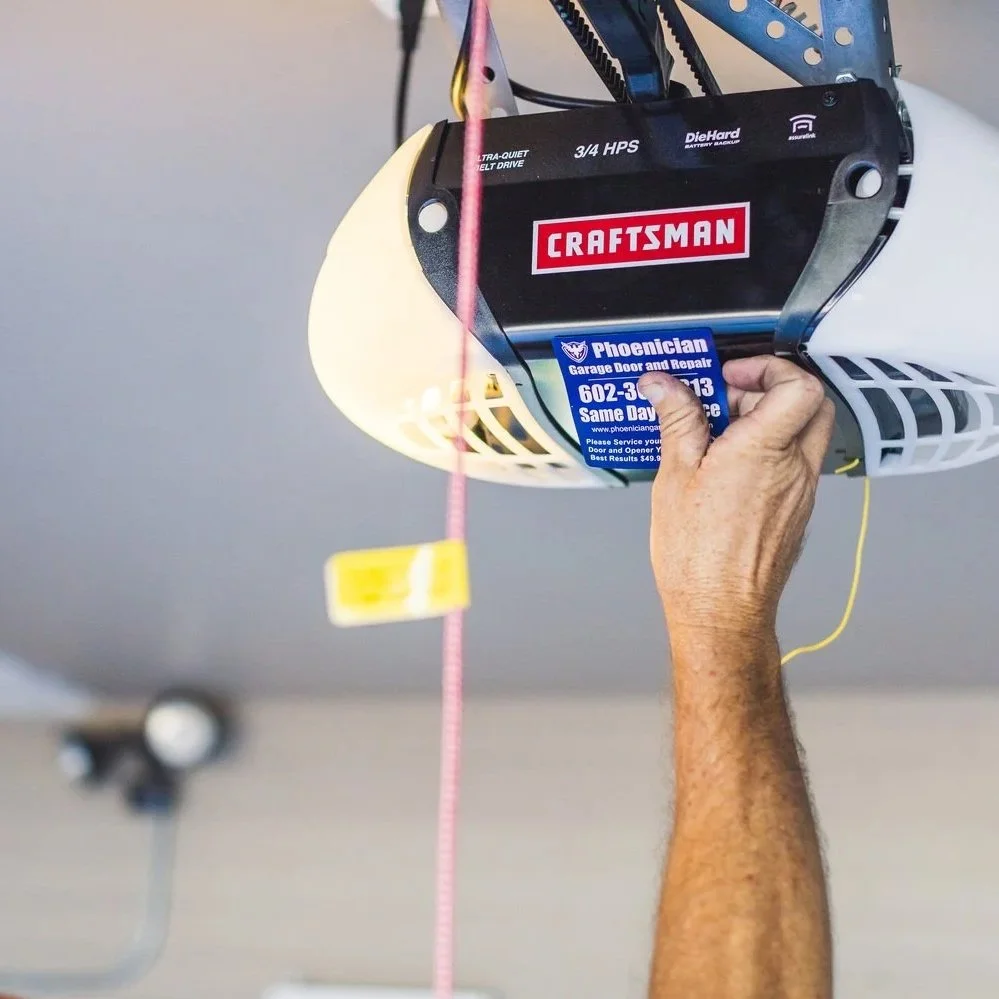
Some issues are safe to troubleshoot yourself, while others deserve professional attention to ensure your door operates smoothly and safely.
Garage doors are workhorses of the home — opening and closing repeatedly every day, often without us even thinking about it. But because they are used so frequently and rely on many moving parts, problems are bound to crop up over time. When a garage door malfunctions, it doesn’t just inconvenience you — it can impact safety, security, and the overall functionality of your home. Fortunately, many common issues have clear causes and reliable solutions.
Understanding how and why garage doors fail helps you address problems quickly and avoid more costly repairs down the road. Some issues are safe to troubleshoot yourself, while others deserve professional attention to ensure your door operates smoothly and safely. In this guide, we walk through five of the most frequent garage door problems homeowners encounter and explain what causes them, how they present themselves, and the best ways to resolve them.
Problem 1: Garage Door Won’t Open or Close
One of the most frustrating issues a homeowner can face is a garage door that refuses to move — either it won’t open or won’t close. When this happens, the trouble could stem from a few different sources.
First, check the basics: verify that the opener is receiving power, remotes have fresh batteries, and the wall switch is working. Simple interruptions in power or weak remote batteries are surprisingly common culprits and an easy fix.
If the opener hums but the door doesn’t move, the problem may lie with the connection between the opener and the door itself — often a disconnected trolley or broken drive gear.
Another frequent cause is the safety sensor system. Modern garage doors are equipped with sensors near the base of the tracks that prevent the door from closing on a person, pet, or object. If these sensors are misaligned, obscured, or dirty, the door may refuse to close.
In cases where the door won’t open or close at all — even when everything else appears in good working order — a broken spring or cable is often the reason. Springs and cables carry the door’s weight; when they fail, the opener lacks the counterbalance needed to move the door.
Solutions range from replacing worn batteries and realigning sensors to calling a technician to replace broken springs, reattach cables, or repair opener components. Because springs and cables are under high tension, professional help is always recommended for those repairs.
Problem 2: Noisy Operation
Most garage doors should operate relatively quietly — perhaps with a gentle hum or smooth glide. But if your door squeaks, rattles, bangs, or grinds loudly during use, the noise is signaling that something needs attention.
Common causes of noisy operation include dry or old rollers, loose hardware, worn bearings, misaligned tracks, and a lack of lubrication. Over time, moving parts lose their lubrication, making metal-on-metal contact louder and more abrasive. Rollers that have become worn or damaged will clatter as they move along the track.
Another source of noise can be loose bolts and brackets. Daily vibration gradually loosens hardware, and when parts shake during operation, the result is noise as the system works harder and less efficiently.
Solutions for noise frequently start with maintenance: apply a high-quality garage door lubricant to hinges, rollers, and springs; tighten loose bolts and brackets; and schedule a professional inspection if noise persists. If rollers or bearings are beyond simple lubrication, replacing them with higher-quality options significantly reduces noise and improves overall function.
If noise occurs alongside uneven movement or hesitation during opening or closing, this may indicate track alignment issues that a professional should correct.
Problem 3: Door Reverses Before It Fully Closes
Garage doors are designed to reverse when they encounter resistance — a critical safety feature. But when the door reverses without any obvious obstruction, you have an issue that needs addressing.
Safety sensors near the floor could be misaligned or obstructed. These sensors emit an invisible beam that, when blocked, signals the opener to stop or reverse the door’s motion. Ensure lenses are clean and nothing is blocking the path between the sensors.
Another common cause of premature reversal is improper travel limit settings. The travel limits tell the opener how far to move the door. If they’re set too tight, the opener thinks it has hit an obstruction and reverses. Adjusting these limits requires following the opener’s manual or having a technician fine-tune the settings.
Worn or dirty tracks and rollers can also create resistance that tricks the opener into thinking the door has hit something solid. In these cases, cleaning, alignment, or part replacement may be necessary.
Addressing reversal issues promptly ensures both safety and reliable operation, preventing unnecessary strain on the opener and components.
Problem 4: Door Moves Unevenly or Crooked
A garage door should move straight up and down without tilting or binding. When one side rises higher than the other, or the door looks visibly crooked, something is out of balance.
Imbalance can occur when springs lose tension unevenly, when cables stretch or bind, or when one track is misaligned compared to the other. A door that is off-balance puts uneven strain on the opener and can accelerate wear on rollers and hardware.
One simple way to check the balance is to disconnect the opener using the manual release and raise the door halfway by hand. A properly balanced door should stay in place. If it drifts upward or downward, the springs are not providing balanced support.
Because balance involves high-tension springs and precise calibration, this is a repair that should be performed by a trained technician. Correcting the imbalance extends the life of your door system and prevents costly damage to parts that are forced to work harder due to uneven movement.
Problem 5: Opener Runs, but Door Doesn’t Move
When you activate the opener and hear the motor run, but the door doesn’t move — or only moves partially — the issue is often a mechanical disconnect rather than a power problem.
One common cause is a separated trolley or broken drive gear inside the opener itself. This means the motor runs, but its motion isn’t being transferred to the door. Another culprit can be bent or misaligned drive chains or belts, which fail to engage correctly when the door is commanded to move.
A less visible but frequent source of this symptom is stripped or worn gears inside the opener unit. Openers typically have a set of splines and gears that wear over time, especially if the system is under stress from imbalance or heavy doors.
Professional diagnosis will identify where the disconnect is and recommend replacing worn drive components, realigning the drive mechanism, or upgrading the opener if needed.
DIY Tips vs. Professional Assistance
Some problems — like replacing remote batteries, realigning sensors, or tightening accessible hardware — are within the scope of many homeowners. These tasks improve daily operation and prevent problems from worsening.
However, issues involving springs, cables, balance, and internal opener mechanics should not be attempted as DIY projects. Garage door systems operate under high tension and involve heavy moving parts that can cause serious injury if handled incorrectly.
Professional technicians have the right tools, training, and experience to handle complex repairs safely and effectively, ensuring long-term performance and peace of mind.
Frequently Asked Questions About Garage Door Problems
Why won’t my garage door open or close?
This issue is often caused by power interruptions, dead remote batteries, misaligned safety sensors, or broken springs or cables.
What does it mean when my garage door makes loud noises?
Loud or unusual noises typically indicate worn rollers, loose hardware, lack of lubrication, or misaligned tracks.
Why does my garage door reverse before closing?
Premature reversal is commonly caused by misaligned safety sensors, incorrect travel limit settings, or resistance within the tracks.
How do I know if my garage door is unbalanced?
If the door moves unevenly, feels heavier on one side, or drifts during a manual balance test, it is likely unbalanced and needs professional adjustment.
Can I fix broken garage door springs myself?
No. Garage door springs are under high tension and should only be repaired or replaced by trained professionals.
Phoenician Garage Door & Repair is a licensed, bonded, and insured full-service garage door company offering garage door inspection, garage door replacement, garage door drum replacement, garage door spring replacement, garage door cable repair and replacement, garage door roller replacement, garage door weather seal replacement, and 24-hour garage door emergency services. Call (602) 610-0112.
