
Choosing Durable Materials for a Garage Door
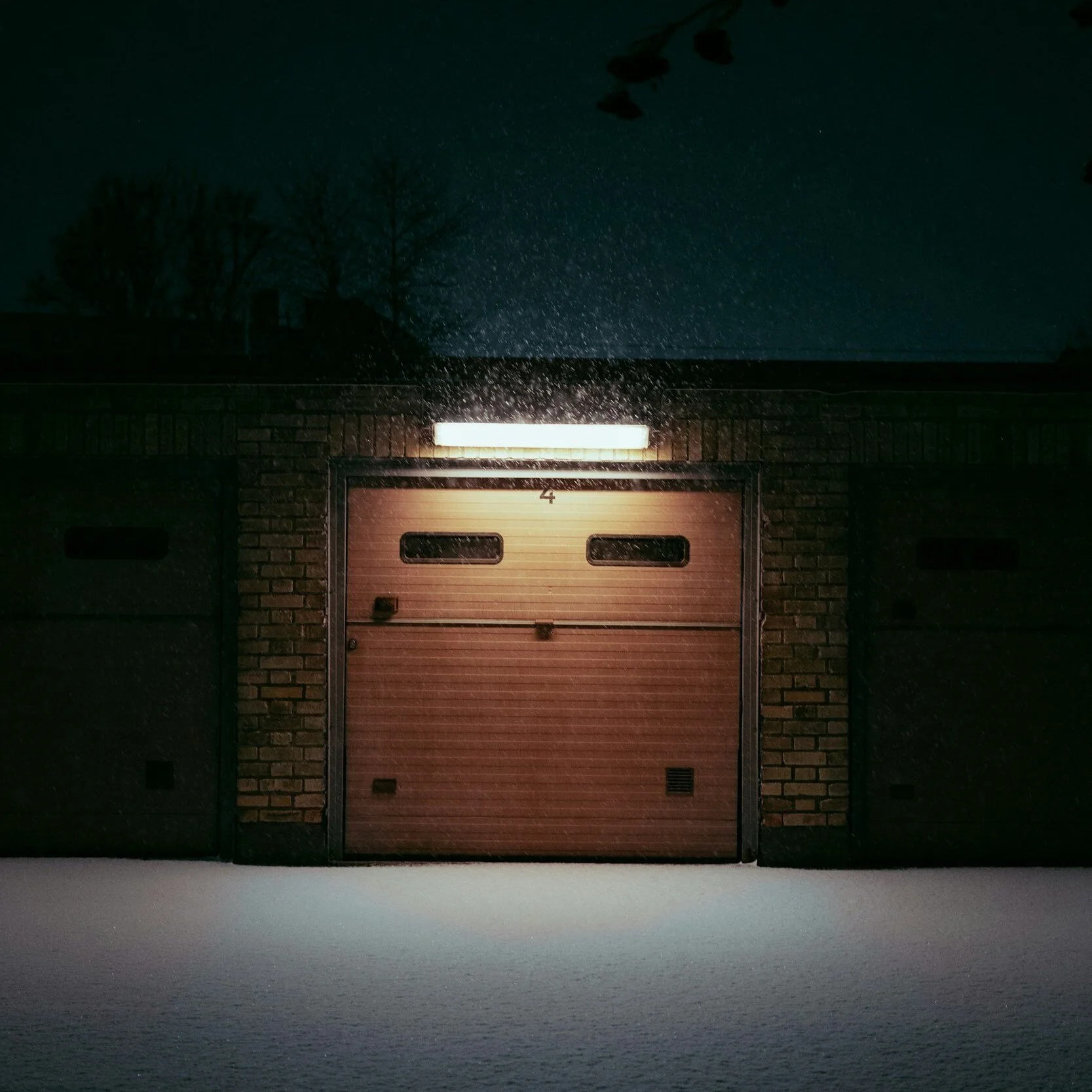
Choosing wisely upfront saves you time, money, and frustration and contributes to a smoother, quieter daily experience.
When it comes to upgrading or replacing your garage door, one of the most important decisions you’ll make is choosing the right material. The material you select affects looks, lifespan, maintenance requirements, security, insulation performance, and even how the door withstands weather over time. Because your garage door is one of the largest moving parts of your home and is used constantly, durability is not something you want to compromise.
Many homeowners focus on color and style first, but material determines how well the door performs for years — or decades — into the future. A durable material means fewer repairs, fewer replacements, and a door that still looks and functions great even after frequent use, extreme temperatures, humidity, rain, or daily wear. Choosing wisely upfront saves you time, money, and frustration and contributes to a smoother, quieter daily experience.
Understanding your options and how different materials respond to daily stress and environmental conditions helps you pick a garage door that stands up to real-world demands. Below, we break down the most durable material options and help you decide which best fits your home, lifestyle, and budget.
Why Durability Matters in Garage Door Materials
Garage door materials differ in strength, weight, maintenance needs, resistance to rust or rot, cost, and energy performance. A material that stands up to impact, temperature changes, moisture, and daily use not only lasts longer but also reduces long-term costs. Durable materials provide dependable performance, reduce the frequency of repairs, and protect the rest of your garage system — including springs, rollers, and openers — from unnecessary strain.
A strong, stable garage door also enhances safety. Materials that warp, sag, or deteriorate over time can become misaligned, making the door harder to operate and increasing the risk of mechanical failure. Durable materials stabilize the system, keep motion smooth, and maintain proper balance across thousands of cycles.
Steel Garage Doors: A Durable All-Around Choice
Steel is one of the most popular and durable materials for garage doors for good reason. Steel offers excellent strength without extreme weight, resists denting better than many alternatives, and can be insulated for improved thermal performance. Because steel doesn’t crack or warp as wood can, it provides consistent performance in a variety of climates and usage levels.
Steel doors are available in a range of gauges (thickness levels), and thicker gauges provide more resistance to impact and wear. Many steel doors also come pre-finished and factory-painted, which helps prevent rust and corrosion. With quality coatings, steel doors can resist fading and hold their color for many years.
One of the biggest advantages of steel is its versatility; it can be finished to resemble wood grain or trimmed with decorative hardware to match traditional home styles, or it can be smooth and modern for contemporary designs. With the right finish and insulation options, steel is a durable and cost-effective solution for nearly every home.
Aluminum Garage Doors: Lightweight and Rust-Resistant
Aluminum is another strong material choice, especially in humid or coastal areas where rust can be a problem. Aluminum won’t rust, making it ideal for environments with frequent moisture, sea air, or high humidity. Because it’s lighter than steel, aluminum places less stress on tracks and openers, which can contribute to smoother operation and reduced wear on mechanical components.
Despite being strong and lightweight, aluminum isn’t as impact-resistant as thicker steel — dents and dings can happen more easily. However, many manufacturers improve aluminum’s performance with reinforced frames or aluminum-steel hybrids that provide a balance of lightweight design and increased durability.
Aluminum doors often feature wide panels and window options, making them popular for contemporary architectural styles. For homeowners who value modern aesthetics and a coral-friendly material that doesn’t deteriorate in moisture-rich conditions, aluminum is an excellent option.
Wood and Wood-Composite: Classic Looks With Natural Strength
Wood has long been a premium garage door material because of its natural beauty and timeless appeal. Properly built wood doors are strong and durable, offering inherent rigidity and a warm character that’s hard to replicate with synthetic materials. Solid wood doors are often chosen for historic or upscale homes where appearance and craftsmanship are a priority.
However, wood requires a higher level of care than other materials. It needs regular sealing, painting, or staining to protect it from moisture, sun exposure, and temperature extremes. In climates with wide temperature swings, wood can expand and contract, which may lead to cracking or warping if not properly maintained.
For homeowners who love the look of wood but want lower maintenance, wood-composite doors combine real wood fibers with resilient polymers to resist rot and moisture while still providing natural aesthetics. These composite options are durable and often more forgiving in varied climates than solid wood, while still delivering a premium appearance.
Fiberglass Garage Doors: Moisture-Resistant and Low Maintenance
Fiberglass garage doors are a smart choice when you want low maintenance and high resistance to moisture. Unlike wood, fiberglass won’t warp, rot, or corrode, and unlike untreated steel, it won’t rust. It stands up well in humid environments and is immune to many of the long-term issues that affect traditional materials.
Fiberglass is often engineered to mimic wood grain, offering style options that remain visually appealing without the care wood demands. While less impact-resistant than thicker steel, high-quality fiberglass doors with reinforced cores perform reliably and resist dents, making them a good middle ground between materials.
One thing to consider with fiberglass is color retention. Intense UV exposure over time can cause fading if the door isn’t treated with UV-stable coatings. Choosing premium finishes and proper care ensures the garage door continues to look great for years.
Composite Materials: Blending Strength and Style
Composite garage doors combine two or more materials — often a protective exterior shell with a reinforcing core — to balance strength, durability, and aesthetic flexibility. These doors are designed to resist moisture, corrosion, warp, and impact, all while offering design versatility that can mimic wood or other architectural elements.
Because composite doors incorporate durable skins over structured cores, they often outperform single-material doors in long-term durability, especially in climates with moisture or temperature extremes. These hybrid materials allow you to enjoy wood-like grain textures without the susceptibility to rot or environmental degradation that real wood faces.
Composite materials are typically more expensive than basic steel or aluminum options, but many homeowners find the combination of performance and looks worth the investment, especially in homes where the garage door plays a major role in curb appeal.
Insulation and Material Performance
Durability is closely tied to insulation and energy efficiency. Well-insulated doors not only stabilize temperature and reduce energy loss but also reinforce structural strength. Insulated materials — whether steel, aluminum, fiberglass, or composite — provide an added layer of rigidity that reduces vibration, noise, and stress on mechanical components.
Good insulation also protects against temperature-related expansion and contraction, reducing long-term wear and tear, particularly in climates that experience extreme heat or cold. Choosing a material with high insulation value (measured in R-value) helps maintain consistent performance year after year.
Climate Considerations and Material Selection
When choosing a material, consider your local climate. Hot, dry climates benefit from materials that resist heat distortion and maintain finish integrity. Coastal or humid areas require materials that resist rust and moisture damage. Cold climates call for doors that resist cracking and maintain flexibility in low temperatures.
Each material option handles weather differently, and selecting one that is compatible with your environment dramatically extends durability. A material that performs well in one climate may underperform in another, so tailoring your choice to local conditions ensures resilience and long service life.
Professional Installation and Long-Term Care
Even the most durable material only delivers its full potential when installed correctly. Professional installation ensures that the door is properly balanced, aligned, and integrated with your opener and safety systems. Skilled installers also seal gaps, align tracks, and calibrate tension to protect mechanical components and maintain smooth operation.
Durability is not just about the material but the entire system — hinges, rollers, springs, tracks, openers, and seals all work together. Professional installation reduces stress on these components and makes future maintenance easier and less costly.
Frequently Asked Questions About Durable Garage Door Materials
What is the most durable garage door material?
Steel and high-quality composite materials are widely considered the most durable options for everyday residential garage door use due to their strength and resistance to wear.
Is steel better than aluminum?
Steel offers greater strength and impact resistance, while aluminum is lighter and naturally resistant to rust. The ideal choice depends on climate conditions, exposure, and usage patterns.
Do wood garage doors last long?
Wood garage doors can last many years when properly maintained, but they require more ongoing care and protection compared to steel or composite doors.
Are fiberglass garage doors durable?
Yes. Fiberglass garage doors resist moisture and rot, making them suitable for humid climates. Without UV-stable finishes, however, some color fading may occur over time.
Do insulated garage doors perform better?
Yes. Insulated garage doors provide improved temperature control, reduced noise, and added structural rigidity, all of which contribute to long-term durability.
Phoenician Garage Door & Repair offers new installation, repairs and openers for garage doors in Maricopa County. Emergency service available. We are licensed, bonded, and insured. Call (602) 610-0112.
